Teeth Grinding (Bruxism): Warning Signs, Common Causes, and How to Stop It
Health 16/07/2026 12:11
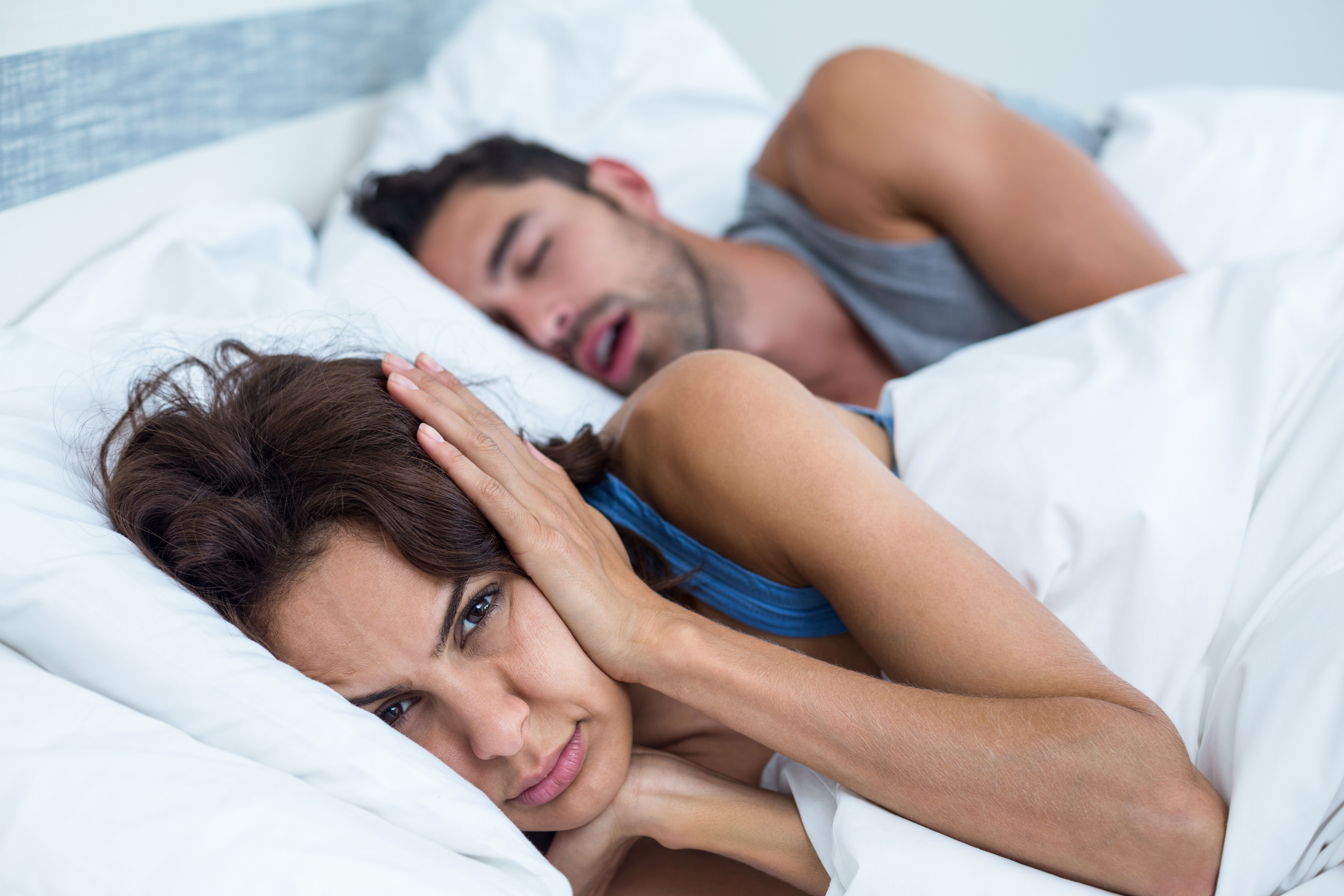
Snoring is a common problem that affects millions of people worldwide. It happens when air cannot move freely through the nose and throat during sleep, causing the surrounding tissues to vibrate and produce the familiar snoring sound.
While occasional snoring is usually harmless, frequent or loud snoring may be a sign of an underlying sleep disorder, such as obstructive sleep apnea (OSA), which requires medical evaluation.
Here are 10 common causes of snoring, along with practical ways to reduce it.
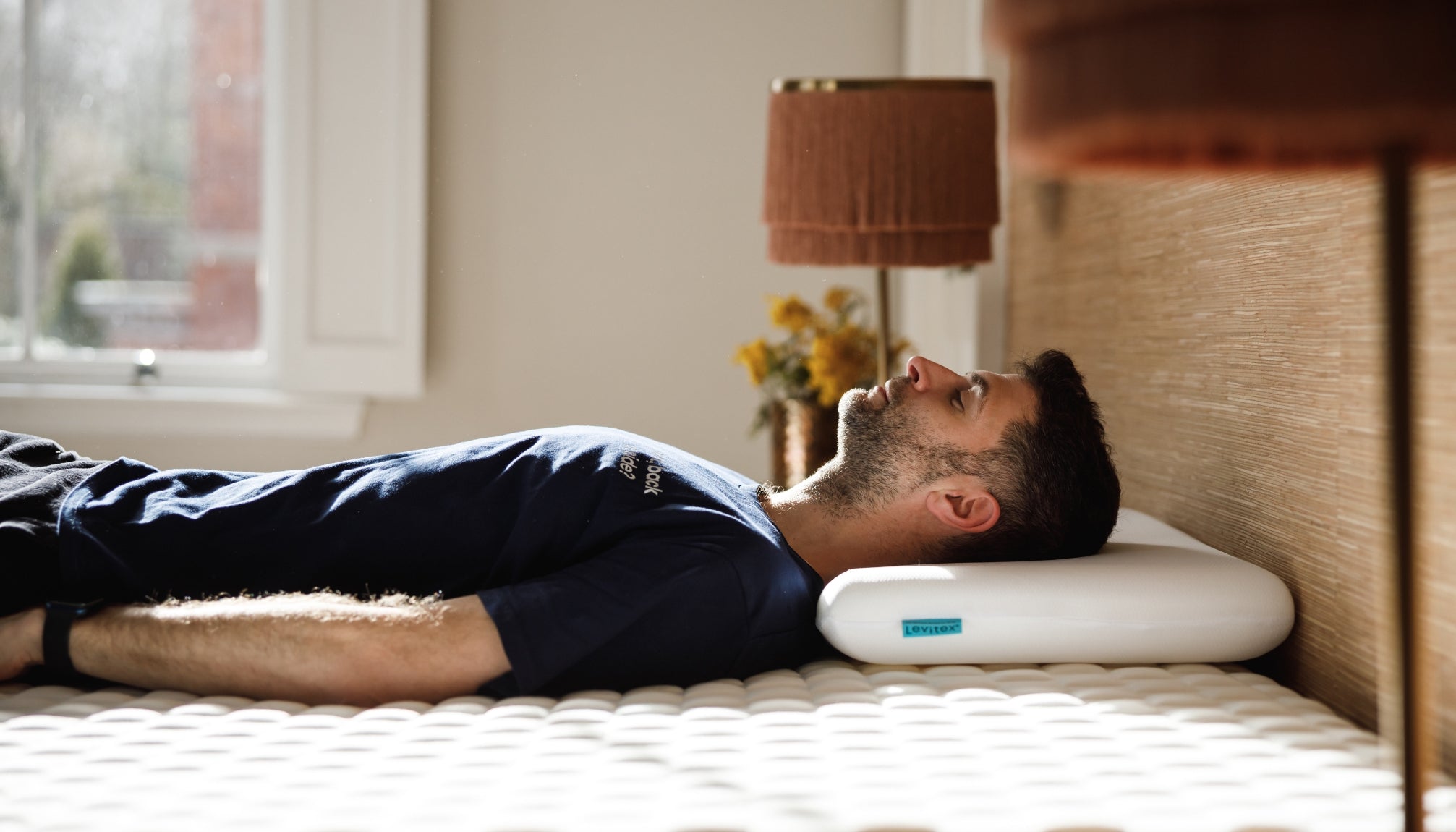
Sleeping on your back allows the tongue and soft tissues in the throat to fall backward, partially blocking the airway.
To help reduce snoring:
Try sleeping on your side.
Use a body pillow to stay in position.
Consider a pillow designed to support side sleeping.
Carrying extra weight, particularly around the neck, can narrow the airway and increase the likelihood of snoring.
Even modest weight loss may help reduce snoring in some individuals.
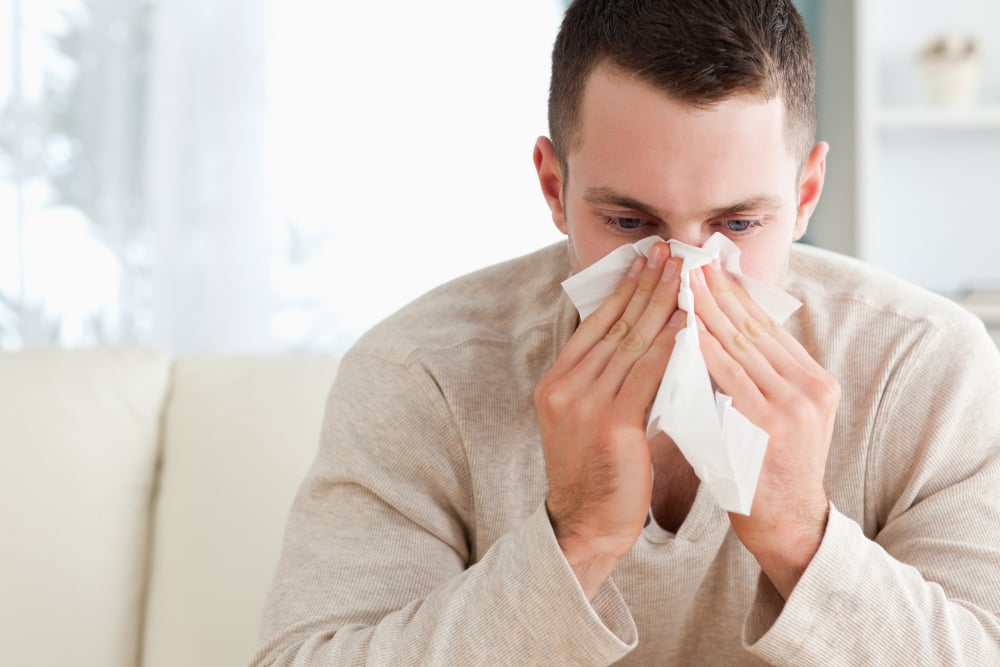
A blocked nose caused by allergies, a cold, or sinus problems can make breathing through the nose more difficult.
You may benefit from:
Saline nasal spray.
Treating allergies as recommended by your healthcare provider.
Using a humidifier if dry air is contributing to congestion.

Alcohol relaxes the muscles in the throat, increasing the risk of airway vibration during sleep.
Avoid drinking alcohol for at least 3–4 hours before bedtime if snoring is a concern.
Sleep deprivation can cause the throat muscles to become more relaxed than usual.
To improve sleep quality:
Maintain a consistent sleep schedule.
Aim for 7–9 hours of sleep each night.
Create a relaxing bedtime routine.
Smoking irritates and inflames the airways, increasing the likelihood of snoring.
Quitting smoking benefits not only your sleep but also your heart, lungs, and overall health.
In children—and occasionally adults—enlarged tonsils or adenoids may narrow the airway and contribute to snoring.
Persistent snoring in children should always be evaluated by a healthcare professional.
As we age, the muscles in the throat naturally lose some tone, making snoring more common.
Regular exercise and maintaining a healthy weight may help reduce its severity.
Loud snoring accompanied by repeated pauses in breathing during sleep may indicate obstructive sleep apnea.
Other symptoms include:
Gasping or choking during sleep.
Excessive daytime sleepiness.
Morning headaches.
Difficulty concentrating.
Irritability.
OSA is a potentially serious condition that requires medical diagnosis and treatment.
Some medications, including sedatives and sleeping pills, can relax the throat muscles and make snoring worse.
Never stop taking prescribed medications without consulting your healthcare provider.
Simple lifestyle changes may help:
Sleep on your side.
Maintain a healthy weight.
Treat nasal allergies.
Avoid alcohol before bed.
Stay hydrated.
Exercise regularly.
Keep your bedroom air comfortably humid if the air is dry.
Follow a consistent sleep schedule.
These habits may reduce snoring for many people.
Consult a healthcare professional if you or your partner notice:
Loud snoring most nights.
Pauses in breathing during sleep.
Gasping or choking while sleeping.
Excessive daytime fatigue.
Morning headaches.
Difficulty staying awake during the day.
High blood pressure along with heavy snoring.
A sleep study may be recommended to determine whether obstructive sleep apnea or another sleep disorder is present.
Occasional snoring is common and often improves with simple lifestyle changes such as sleeping on your side, maintaining a healthy weight, treating nasal congestion, and avoiding alcohol before bedtime.
However, loud or persistent snoring—especially when accompanied by pauses in breathing or excessive daytime sleepiness—may be a sign of obstructive sleep apnea. Seeking medical evaluation can help identify the cause and improve both your sleep quality and your long-term health.

These Changes in Your Body Could Be Worth Discussing with Your Doctor

🥚🍠 13 Reasons to Add Eggs and Sweet Potatoes to Your Morning Routine

Chicken Gizzards: One of the Most Underrated Foods for Nutrition

Your Heartbeat May Feel More Noticeable at Night - Here's What Experts Say

Do You Eat Food While It's Still Piping Hot? Read This First

When Ginger May Do More Harm Than Good: 5 Health Concerns

Understanding Colon Health: 6 Symptoms That May Need Evaluation
You Might Think Daytime Naps Are Harmless—Here's What Experts Say

Itchy Skin with Small Bumps? Here's What It Could Mean
If You Have an Underactive Thyroid, Read This Before Your Next Meal 🍽️
Your Nighttime Leg Cramps Could Be a Sign of Something Worth Checking

10 Early Clues Your Brain May Be Showing Signs of Dementia
Your Feet May Be Sending an Early Warning About Your Heart 👇
What Brittle Nails Could Be Telling You About Your Overall Health

Bladder Cancer Can Be Silent at First—Watch for These 5 Symptoms

These Breast Symptoms Should Never Be Ignored

Most People Make This Chicken Storage Mistake
These Changes in Your Body Could Be Worth Discussing with Your Doctor
🥚🍠 13 Reasons to Add Eggs and Sweet Potatoes to Your Morning Routine
Chicken Gizzards: One of the Most Underrated Foods for Nutrition

Don't Toss That Plastic Bottle Just Yet—It May Be Useful
Your Heartbeat May Feel More Noticeable at Night - Here's What Experts Say
Do You Eat Food While It's Still Piping Hot? Read This First
When Ginger May Do More Harm Than Good: 5 Health Concerns
Understanding Colon Health: 6 Symptoms That May Need Evaluation
You Might Think Daytime Naps Are Harmless—Here's What Experts Say
Itchy Skin with Small Bumps? Here's What It Could Mean
If You Have an Underactive Thyroid, Read This Before Your Next Meal 🍽️

Your Nighttime Leg Cramps Could Be a Sign of Something Worth Checking
Millions Do This Every Day—Few Know It May Be Linked to This Lump 😳👇
10 Early Clues Your Brain May Be Showing Signs of Dementia
Your Feet May Be Sending an Early Warning About Your Heart 👇
What Brittle Nails Could Be Telling You About Your Overall Health