
A 56-Year-Old Woman Di.es from Can.cer Despite Eating Steamed Food Every Day: Doctor Warns, “Even Healthy Foods Can Become Harmful”
Do You Eat Food While It's Still Piping Hot? Read This First
Health 16/07/2026 10:34
Your fingernails do more than protect your fingertips—they can also provide important clues about your overall health. While many nail changes are harmless and caused by aging or minor injuries, some may signal nutritional deficiencies or underlying medical conditions.
It's important to remember that nail changes alone cannot diagnose a disease, but persistent or unusual changes should be evaluated by a healthcare professional.
Here are 10 nail changes you shouldn't ignore.
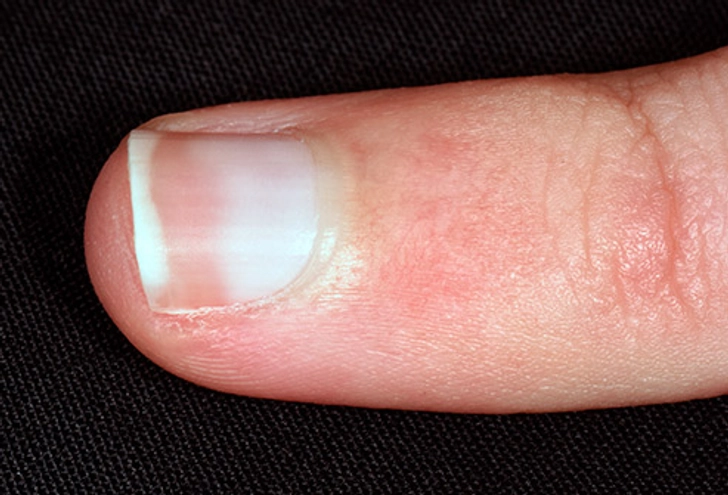
Nails that appear unusually pale or almost completely white may sometimes be associated with:
Iron deficiency anemia
Liver disease
Kidney disease
Malnutrition
If all of your nails suddenly become very pale, it's worth discussing with your healthcare provider.
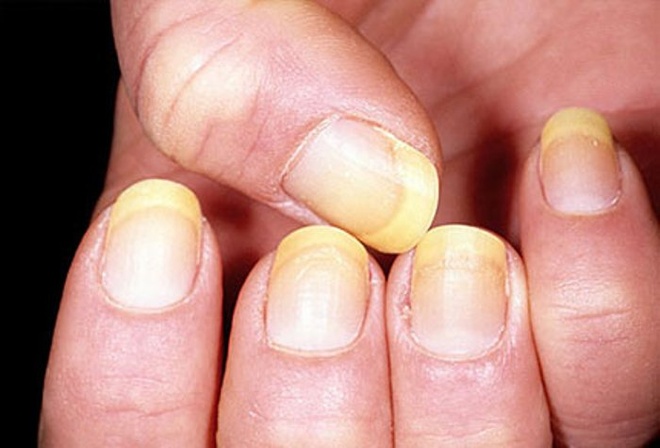
Yellow nails are commonly caused by:
Fungal nail infections
Aging
Frequent use of dark nail polish
Smoking
In rare cases, persistent yellow nails may be associated with chronic lung disease, diabetes, thyroid disorders, or a rare condition called Yellow Nail Syndrome.
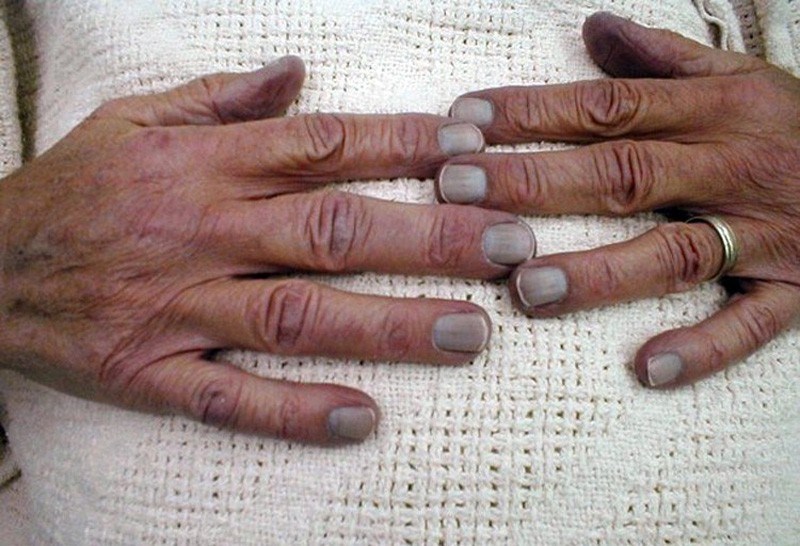
Bluish nails may indicate that your body isn't getting enough oxygen.
Possible causes include:
Heart disease
Lung disease
Poor circulation
Exposure to extreme cold
Seek prompt medical attention if blue nails appear suddenly or are accompanied by shortness of breath or chest pain.

Nails that curve upward like a spoon may be linked to:
Iron deficiency anemia
Certain autoimmune disorders
Rare genetic conditions
This change should be evaluated, especially if accompanied by fatigue or weakness.
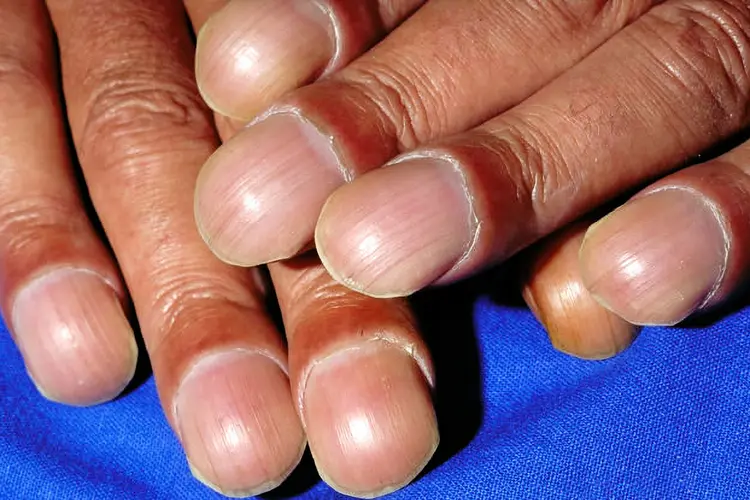
Clubbing occurs when the fingertips enlarge and the nails curve downward over time.
It may be associated with:
Chronic lung disease
Certain heart conditions
Inflammatory bowel disease
Liver disease
Because clubbing can signal serious illness, medical evaluation is recommended.
Beau's lines are horizontal indentations that run across the nail.
They may develop after:
A severe illness
High fever
Major surgery
Significant physical stress
Certain medications
The grooves often grow out as the nail grows.
A new dark brown or black streak beneath the nail should never be ignored.
Although many streaks are harmless, some may indicate subungual melanoma, a rare but serious form of skin cancer.
Any new or changing dark streak should be examined by a dermatologist.
Fragile nails that crack or split easily are often caused by:
Frequent hand washing
Repeated exposure to water or chemicals
Aging
They may also be associated with:
Iron deficiency
Thyroid disorders
Nutritional deficiencies
Tiny dents or pits on the nail surface are commonly associated with:
Psoriasis
Eczema
Alopecia areata
Persistent pitting should be evaluated, especially if accompanied by skin or scalp changes.
When the nail lifts away from the skin underneath (onycholysis), possible causes include:
Injury
Fungal infection
Psoriasis
Hyperthyroidism
Certain medications
Keeping the nail clean and seeking medical advice can help prevent complications.
Healthy nail care includes:
Eating a balanced diet rich in protein, iron, zinc, and vitamins.
Keeping nails clean and dry.
Moisturizing your hands and cuticles regularly.
Wearing gloves when using cleaning products.
Avoiding biting or picking at your nails.
Trimming nails regularly.
Good nail care helps reduce the risk of injury and infection.
Schedule a medical evaluation if you notice:
Sudden or persistent nail discoloration.
New dark streaks.
Clubbing of the fingertips.
Nail separation without injury.
Pain, swelling, or pus around the nail.
Nail changes accompanied by fatigue, weight loss, or other unexplained symptoms.
A healthcare professional may recommend blood tests or refer you to a dermatologist if needed.
Your nails can sometimes provide valuable clues about your overall health. Changes such as pale, blue, yellow, or spoon-shaped nails, clubbing, deep grooves, pitting, or nail separation may occasionally be linked to nutritional deficiencies or underlying medical conditions.
While most nail changes are not serious, persistent or unusual changes should never be ignored. Early medical evaluation can help identify the cause and ensure you receive appropriate treatment if necessary.
Do You Eat Food While It's Still Piping Hot? Read This First

When Ginger May Do More Harm Than Good: 5 Health Concerns
Understanding Colon Health: 6 Symptoms That May Need Evaluation
You Might Think Daytime Naps Are Harmless—Here's What Experts Say
Itchy Skin with Small Bumps? Here's What It Could Mean
If You Have an Underactive Thyroid, Read This Before Your Next Meal 🍽️
Your Nighttime Leg Cramps Could Be a Sign of Something Worth Checking
10 Early Clues Your Brain May Be Showing Signs of Dementia
Your Feet May Be Sending an Early Warning About Your Heart 👇
What Brittle Nails Could Be Telling You About Your Overall Health
Bladder Cancer Can Be Silent at First—Watch for These 5 Symptoms
These Breast Symptoms Should Never Be Ignored

Most People Make This Chicken Storage Mistake
Why Successful People Often Wear Rings on Their Right Hand …and What It Really Means
No matter how delicious it is, you can't eat it again.
Top Signs of Iron Deficiency and How To Increase Iron Levels In Your Blood

Many people don't know this
Can eating lard daily fit a healthy diet? The answer may surprise you.
Your Heartbeat May Feel More Noticeable at Night - Here's What Experts Say
Do You Eat Food While It's Still Piping Hot? Read This First
When Ginger May Do More Harm Than Good: 5 Health Concerns
Understanding Colon Health: 6 Symptoms That May Need Evaluation
You Might Think Daytime Naps Are Harmless—Here's What Experts Say
Itchy Skin with Small Bumps? Here's What It Could Mean
If You Have an Underactive Thyroid, Read This Before Your Next Meal 🍽️
Your Nighttime Leg Cramps Could Be a Sign of Something Worth Checking
Millions Do This Every Day—Few Know It May Be Linked to This Lump 😳👇
10 Early Clues Your Brain May Be Showing Signs of Dementia
Your Feet May Be Sending an Early Warning About Your Heart 👇
What Brittle Nails Could Be Telling You About Your Overall Health
Bladder Cancer Can Be Silent at First—Watch for These 5 Symptoms

These Breast Symptoms Should Never Be Ignored
Most People Make This Chicken Storage Mistake
Why Successful People Often Wear Rings on Their Right Hand …and What It Really Means
No matter how delicious it is, you can't eat it again.