7 Surprising Benefits of Eating Chicken Gizzards
Chicken gizzards may not be the most popular cut of meat, but they are incredibly nutritious, affordable, and widely used in many traditional cuisines around the world. These small but powerful organ meats are packed with protein, essential vitamins, and important minerals that support overall health. When prepared properly, they can also be surprisingly delicious and versatile in the kitchen.
Here are seven surprising benefits of eating chicken gizzards and why you might want to add them to your diet.
1. A Great Source of High-Quality Protein
Chicken gizzards are rich in protein, which plays an important role in maintaining muscle mass, repairing tissues, and supporting immune function.
A 3.5-ounce (100-gram) serving of cooked chicken gizzards provides around 20 grams of protein, which is similar to the amount found in chicken breast. Protein also helps keep you full longer, making gizzards a satisfying addition to meals.
Because the protein in chicken gizzards contains all essential amino acids, it is considered a complete protein, which the body can easily use for growth and repair.
2. Rich in Important B Vitamins
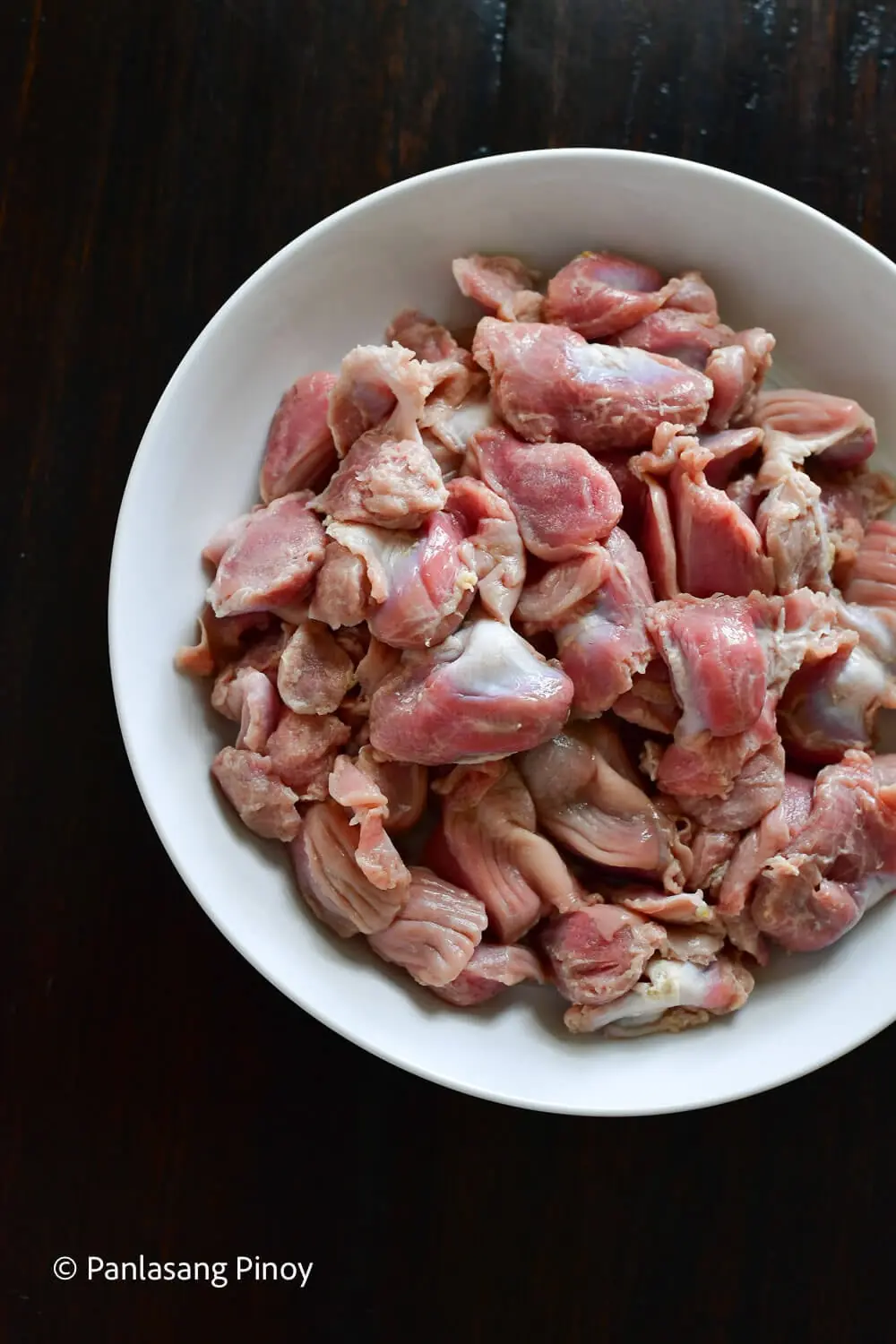
Chicken gizzards are an excellent source of several B vitamins, which are essential for energy production and nervous system health.
They contain nutrients such as:
-
Vitamin B12, which supports nerve health and red blood cell formation
-
Niacin (Vitamin B3), which helps regulate metabolism and maintain brain function
-
Riboflavin (Vitamin B2), which helps the body convert food into energy
A single serving of gizzards can provide a significant portion of the daily requirement for vitamin B12, a nutrient that is especially important for maintaining energy levels and focus.
3. A Good Source of Easily Absorbed Iron
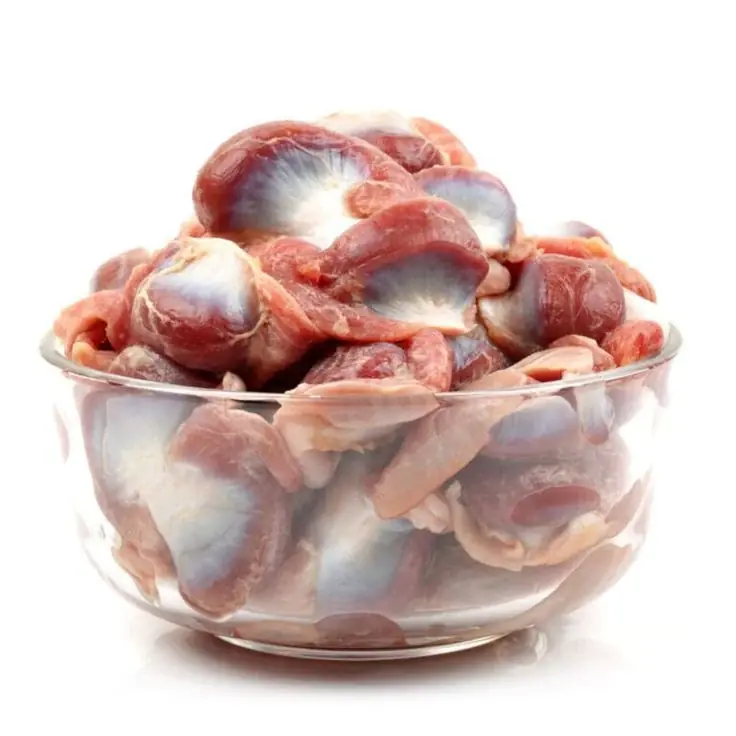
Iron is essential for producing hemoglobin, the protein that carries oxygen in the blood. Chicken gizzards contain heme iron, the type of iron found in animal foods that the body absorbs more efficiently than plant-based iron.
Adequate iron intake may help:
-
Prevent iron-deficiency anemia
-
Improve energy levels
-
Support healthy growth and development
This makes gizzards a beneficial food for people who need more iron in their diet.
4. Packed With Essential Minerals
Chicken gizzards provide several important minerals that contribute to overall health, including:
-
Selenium, an antioxidant that helps protect cells from damage
-
Zinc, which supports immune function and wound healing
-
Choline, a nutrient important for brain health and liver function
These nutrients work together to support the body’s metabolic processes and maintain healthy organs.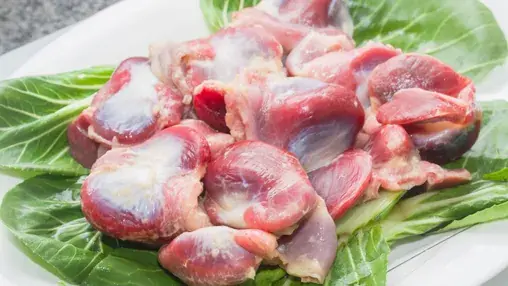
5. Lean and Budget-Friendly
Despite being highly nutritious, chicken gizzards are usually very affordable compared with other protein sources. They are also relatively low in fat and calories, making them a lean protein option.
For people who want to eat nutritious foods while staying within a budget, gizzards can be an excellent choice.
6. Supports Sustainable “Nose-to-Tail” Eating
Eating organ meats such as chicken gizzards supports a more sustainable and traditional approach to food known as nose-to-tail eating. This approach encourages using all edible parts of an animal rather than wasting them.
By incorporating gizzards and other organ meats into meals, people can reduce food waste and make better use of the resources involved in food production.
7. Versatile in Many Dishes
Chicken gizzards are used in many cuisines around the world. When cooked properly, they become tender and absorb flavors very well.
They can be prepared in many ways, including:
-
Slow-cooked stews
-
Crispy fried gizzards
-
Grilled skewers
-
Soups and stir-fries
-
Salads and tacos
Their unique texture and ability to absorb spices make them a flavorful addition to many dishes.
How to Cook Chicken Gizzards So They Are Tender
Because gizzards are muscular organs, they can be tough if cooked quickly. The key is slow cooking, which softens the meat and improves its texture.
Step 1: Clean the Gizzards
Before cooking:
-
Trim away any excess fat or membranes
-
Rinse the gizzards thoroughly under cold water
-
Soak them in water or lightly salted water for about 15–30 minutes
Some stores sell pre-cleaned gizzards, which can save preparation time.
Step 2: Cook Them Slowly
Cooking gizzards slowly helps break down the tough muscle fibers.
Common methods include:
Simmering or Boiling
Cook in water with onion, garlic, and bay leaves for 45–60 minutes until tender.
Slow Cooker
Cook on low heat for 4–6 hours with broth and seasonings.
Pressure Cooker
Cook on high pressure for 20–25 minutes, which is the fastest method.
Once tender, they can be fried, grilled, or added to other dishes.
Step 3: Add Flavor
After cooking, gizzards can be seasoned or incorporated into many recipes. Popular options include:
-
Crispy fried gizzards coated in seasoned flour
-
Grilled gizzards marinated with garlic, soy sauce, or herbs
-
Stews and soups such as gumbo or noodle soups
-
Chopped gizzards in salads
Popular Dishes Around the World
Chicken gizzards are enjoyed in many cultures:
-
Philippines: Adobo-style gizzards cooked with soy sauce and vinegar
-
Nigeria: Spicy pepper soup with gizzards
-
United States (Southern cuisine): Deep-fried gizzards served crispy
-
China: Braised gizzards with ginger and soy sauce
-
Mexico: Salads with chopped boiled gizzards, lime, and herbs
These dishes show how widely appreciated gizzards are in global cuisine.
A Note on Moderation
Although chicken gizzards are nutritious, they are still organ meat, which can contain higher levels of cholesterol than some other cuts of chicken.
For most people, enjoying gizzards occasionally as part of a balanced diet is perfectly reasonable. Pairing them with vegetables, whole grains, and other healthy foods can help create a well-rounded meal.
Final Thoughts
Chicken gizzards are often overlooked, but they are a nutrient-dense, affordable, and versatile food. Packed with protein, vitamins, and essential minerals, they can provide many nutritional benefits when included in a balanced diet.
With proper cooking techniques, gizzards become tender and flavorful, making them a valuable ingredient in many traditional recipes around the world. Sometimes, the most underrated foods can turn out to be some of the most nourishing.
- Chicken Gizzards: A Nutrient-Rich Food That's Often Overlooked