Waking up at night because of aching legs, burning feet, or persistent calf pain can be frustrating and concerning. While occasional nighttime leg discomfort is often caused by muscle fatigue, dehydration, or sleeping position, persistent pain that occurs regularly may sometimes be linked to reduced blood flow in the legs.
One condition that can cause this type of pain is Peripheral Artery Disease (PAD), a common circulatory disorder in which narrowed arteries reduce blood flow to the legs and feet. PAD shares many risk factors with heart disease and stroke, making early recognition especially important.
However, it's equally important to remember that most nighttime leg pain is not caused by PAD. Many other conditions—including muscle cramps, arthritis, nerve disorders, and restless legs syndrome—are much more common.
Here's what you should know.
What Is Peripheral Artery Disease (PAD)?
Peripheral Artery Disease occurs when fatty deposits (known as plaque) build up inside the arteries that carry blood to the legs.
As these arteries narrow, less oxygen-rich blood reaches the muscles and tissues.
Over time, this reduced circulation can lead to symptoms ranging from mild discomfort during walking to pain that occurs even while resting.
PAD is a form of atherosclerotic cardiovascular disease, meaning it is caused by the same process that can affect the arteries of the heart and brain.
Why Does Reduced Blood Flow Cause Pain?
Your muscles need oxygen to function normally.
When blood flow is reduced:
-
Muscles receive less oxygen.
-
Waste products build up more easily.
-
Tissues become less efficient during activity.
-
In advanced cases, discomfort may occur even during rest or sleep.
Nighttime pain may develop because blood pressure naturally falls during sleep, which can further reduce blood flow in already narrowed arteries.
1. Pain That Wakes You During the Night
One of the more concerning symptoms of advanced PAD is rest pain.
This pain often:
-
Occurs while lying in bed.
-
Wakes you from sleep.
-
Affects the feet or toes.
-
Improves when you sit up or let your legs hang over the side of the bed.
Lowering the legs allows gravity to temporarily increase blood flow.
This symptom should be evaluated promptly by a healthcare professional.
2. Cold Feet or Toes
Poor circulation may cause one or both feet to feel:
-
Cold
-
Cool to the touch
-
Difficult to warm up
However, cold feet can also result from:
-
Cold environments
-
Thyroid disorders
-
Raynaud phenomenon
-
Nerve conditions
Persistent coldness accompanied by pain or skin changes deserves medical evaluation.
3. Burning or Tingling Sensations
Some people with poor circulation report:
-
Burning
-
Tingling
-
Numbness
These symptoms are more commonly caused by nerve disorders, especially diabetic peripheral neuropathy.
Nevertheless, reduced blood flow may contribute in some individuals.
Because symptoms overlap, proper diagnosis is important.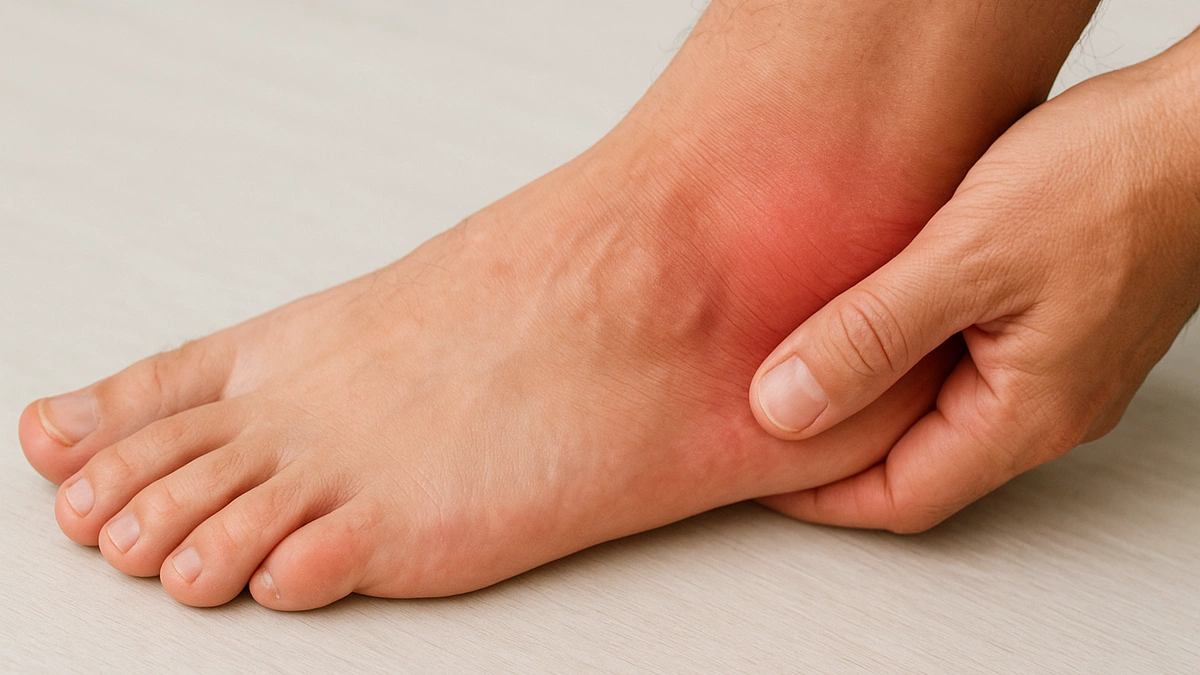
4. Foot Wounds That Heal Slowly
Healthy circulation is essential for wound healing.
Reduced blood flow may cause:
-
Cuts that heal slowly
-
Persistent sores
-
Foot ulcers
-
Recurrent infections
People with diabetes face an even greater risk because nerve damage and poor circulation often occur together.
5. Skin Color Changes
Poor circulation may cause changes in skin appearance.
Possible signs include:
-
Pale skin
-
Bluish discoloration
-
Shiny skin
-
Redness when the foot is lowered
-
Delayed return of normal color after raising the leg
These changes should always be assessed by a healthcare provider.
6. Pain While Walking That Improves With Rest
Although this symptom usually occurs during the day, it is one of the classic features of PAD.
This is called intermittent claudication.
Symptoms typically include:
-
Cramping
-
Tightness
-
Aching
-
Fatigue
Most commonly affecting:
-
Calves
-
Thighs
-
Buttocks
The discomfort usually improves within several minutes of stopping activity.
7. Weak or Absent Pulses in the Feet
Healthcare professionals often check pulses near the ankle and foot during an examination.
Reduced pulses may suggest decreased blood flow.
Pulse assessment should be performed by a trained healthcare provider.
Other Conditions That Can Cause Nighttime Leg Pain
Not every painful leg at night is caused by poor circulation.
Several conditions are actually more common.
Nocturnal Leg Cramps
Sudden muscle contractions may occur because of:
-
Muscle fatigue
-
Dehydration
-
Certain medications
-
Prolonged standing
Unlike PAD, cramps often improve quickly after stretching or massage.
Restless Legs Syndrome
This neurological condition causes:
-
An irresistible urge to move the legs
-
Tingling
-
Crawling sensations
-
Symptoms that worsen during rest and improve with movement
Pain is not always the primary symptom.
Peripheral Neuropathy
Common causes include:
-
Diabetes
-
Vitamin B12 deficiency
-
Alcohol misuse
-
Certain medications
Symptoms often include burning, numbness, or "pins and needles."
Arthritis
Joint inflammation may become more noticeable during the night because movement decreases while sleeping.
Who Is Most at Risk for PAD?
Several factors increase the risk of developing Peripheral Artery Disease.
These include:
-
Smoking
-
Diabetes
-
High blood pressure
-
High cholesterol
-
Obesity
-
Chronic kidney disease
-
Older age
-
Family history of cardiovascular disease
The more risk factors a person has, the greater the likelihood of PAD.
How Is PAD Diagnosed?
Healthcare professionals may recommend:
Physical Examination
Including evaluation of:
-
Foot pulses
-
Skin temperature
-
Skin color
-
Foot wounds
Ankle-Brachial Index (ABI)
A simple, painless test comparing blood pressure in the ankle and arm.
An abnormal ABI may indicate reduced blood flow.
Doppler Ultrasound
This test evaluates blood flow through the arteries.
CT or MR Angiography
These imaging studies may be used when additional detail is needed.
Lifestyle Changes That Support Healthy Circulation
Quit Smoking
Smoking is the strongest modifiable risk factor for PAD.
Quitting smoking can significantly slow disease progression.
Stay Active
Regular walking is one of the most effective lifestyle interventions for many people with PAD.
Walking programs may improve:
-
Walking distance
-
Muscle efficiency
-
Quality of life
Always follow your healthcare provider's exercise recommendations.
Eat a Heart-Healthy Diet
Choose foods rich in:
-
Vegetables
-
Fruits
-
Whole grains
-
Beans
-
Fish
-
Nuts
-
Healthy fats
Limit:
-
Processed foods
-
Excess sodium
-
Added sugars
-
Saturated fats
Manage Diabetes
Keeping blood glucose within your target range helps reduce complications affecting blood vessels and nerves.
Control Blood Pressure and Cholesterol
Managing these conditions lowers the risk of disease progression and cardiovascular events.
Common Myths About Poor Circulation
Myth 1: Leg Pain Always Means Poor Circulation
False.
Muscle, nerve, bone, and joint conditions are much more common causes.
Myth 2: Only Older Adults Get PAD
False.
Although PAD becomes more common with age, younger adults with diabetes, smoking history, or other cardiovascular risk factors may also develop it.
Myth 3: Cold Feet Always Mean Blocked Arteries
False.
Cold feet have many possible causes, including environmental exposure, thyroid disease, and Raynaud phenomenon.
When Should You See a Doctor?
Schedule a medical evaluation if you experience:
-
Leg pain that repeatedly wakes you from sleep.
-
Pain while walking that improves with rest.
-
Cold feet that persist.
-
Slow-healing wounds.
-
Changes in skin color.
-
Numbness or weakness that continues or worsens.
-
New symptoms if you have diabetes or smoke.
Early diagnosis can help reduce the risk of complications.
When Is It an Emergency?
Seek emergency medical care immediately if you suddenly develop:
-
Severe leg pain.
-
A cold, pale, or blue leg.
-
Sudden numbness or inability to move the leg.
-
A foot that becomes suddenly cold with no detectable pulse.
These symptoms may indicate acute limb ischemia, a medical emergency that requires immediate treatment to restore blood flow.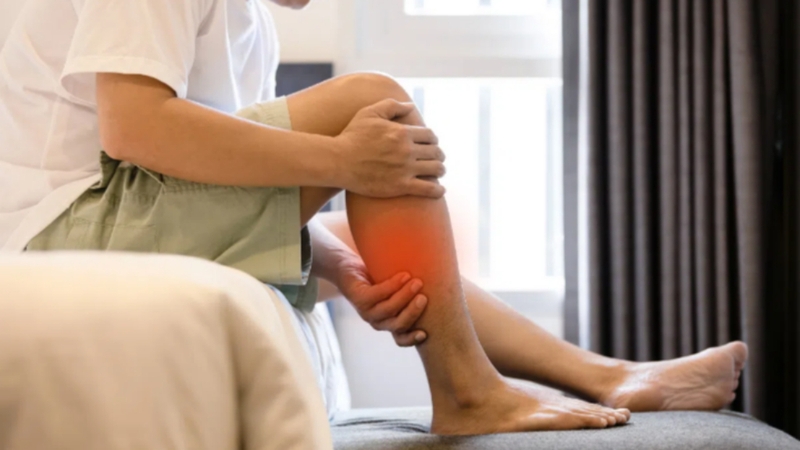
Final Thoughts
Nighttime leg pain is common, and in many cases it is caused by relatively harmless problems such as muscle cramps, poor sleeping position, or restless legs syndrome. However, persistent pain that occurs during rest, repeatedly wakes you from sleep, or is accompanied by cold feet, slow-healing wounds, or changes in skin color may suggest reduced blood flow caused by Peripheral Artery Disease (PAD).
Because PAD also increases the risk of heart attack and stroke, it should not be ignored. Fortunately, early diagnosis and treatment—including smoking cessation, regular physical activity, healthy eating, and management of blood pressure, cholesterol, and diabetes can help improve symptoms and reduce complications.
If nighttime leg discomfort becomes frequent or interferes with your daily life, consult a qualified healthcare professional. Identifying the underlying cause is the first step toward finding the most appropriate treatment and protecting your long-term vascular health.