Visible Veins: Possible Causes and When They Could Signal a Health Problem

Noticing veins that suddenly become more visible can be surprising. In many cases, prominent veins are completely normal and may simply reflect changes in body composition, aging, or physical activity. However, in some situations, visible veins can be a sign of an underlying circulation problem that deserves medical attention.
Here are 10 possible reasons why your veins may become more noticeable.
1. Low Body Fat
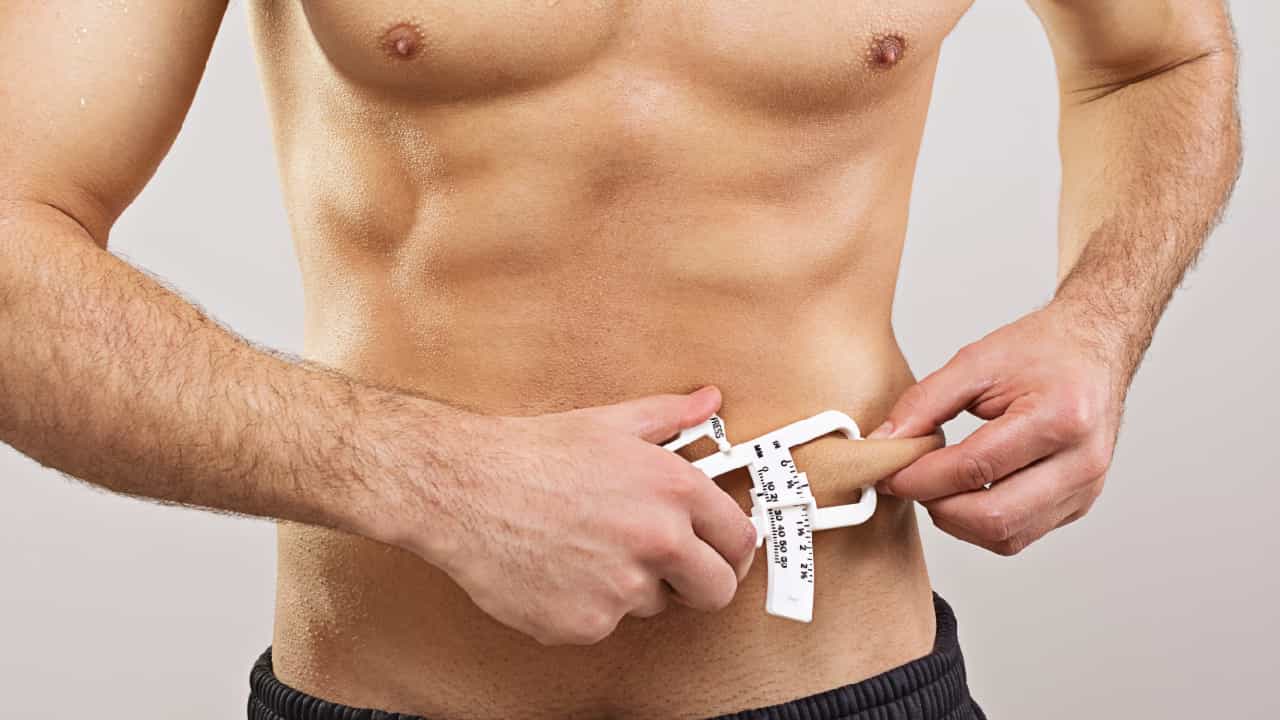
One of the most common reasons for visible veins is having a low percentage of body fat.
When there is less fat beneath the skin, veins naturally become more prominent, especially on the:
-
Arms
-
Hands
-
Legs
-
Feet
This is common among athletes and physically active individuals.
2. Exercise

During and after exercise, your muscles require more oxygen-rich blood.
As blood flow increases, veins temporarily enlarge, making them more noticeable.
This is a normal response and usually fades after your body returns to rest.
3. Aging
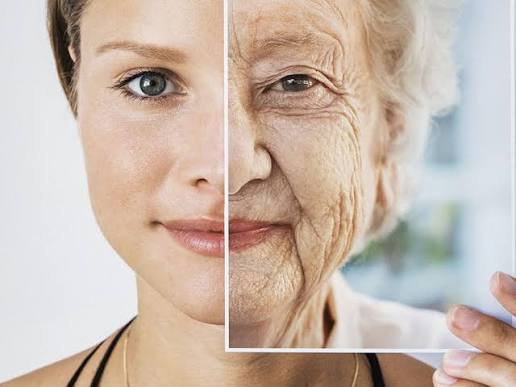
As you get older, your skin becomes thinner and loses collagen and elasticity.
This allows veins beneath the skin to become more visible, particularly on the hands and arms.
4. Hot Weather

Warm temperatures cause blood vessels to widen (dilate) to help regulate body temperature.
As a result, veins may appear larger and more visible during hot weather or after a hot shower.
5. Genetics
Some people naturally have more noticeable veins because of inherited traits such as:
-
Thin skin
-
Lower body fat distribution
-
Vein structure
If visible veins run in your family, they may simply be a normal characteristic.
6. Varicose Veins
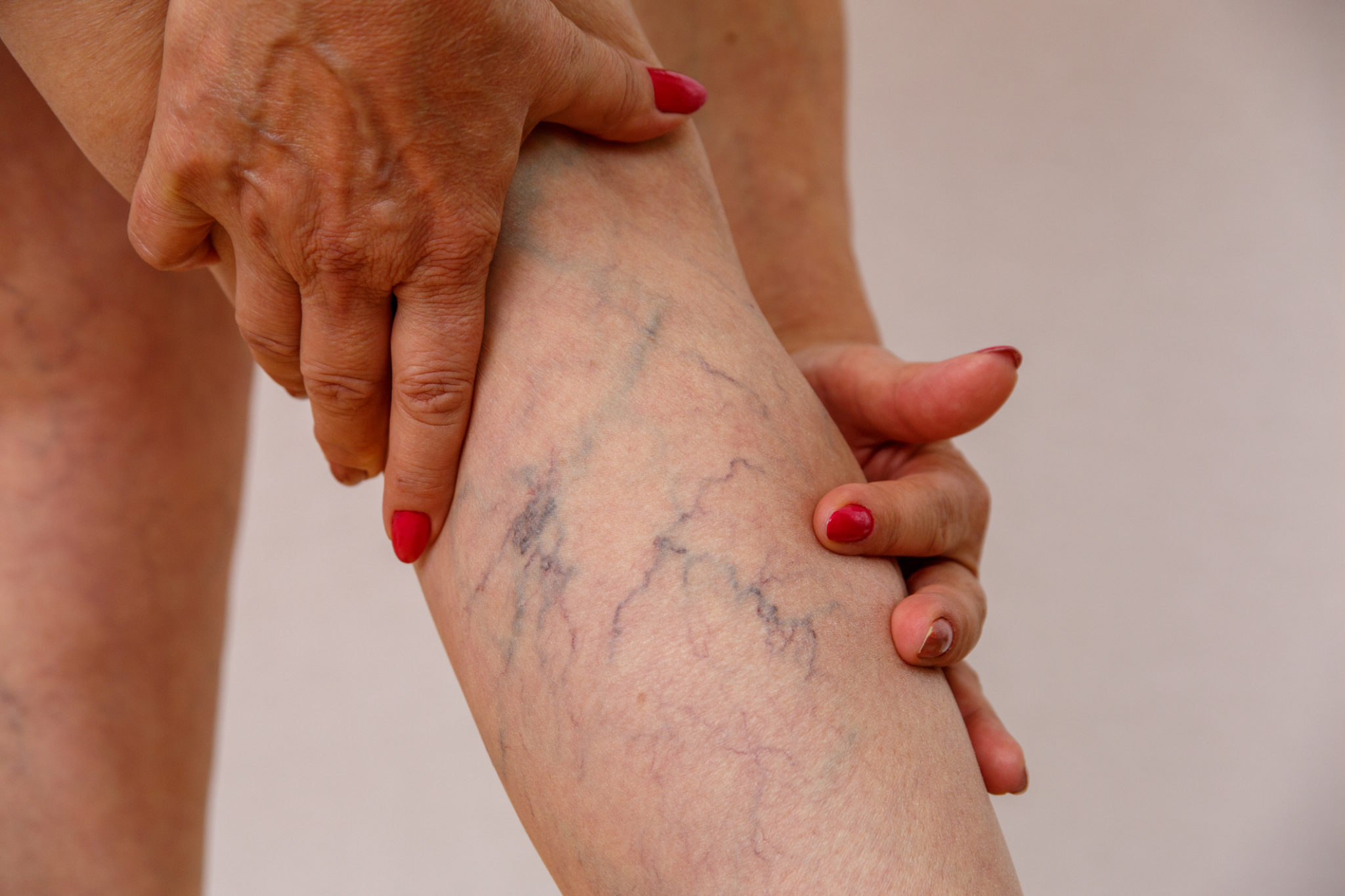
Bulging, twisted veins—especially in the legs—may indicate varicose veins.
Symptoms can include:
-
Aching legs
-
Heaviness
-
Swelling
-
Itching
-
Muscle cramps
Varicose veins occur when the valves inside the veins become weakened.
7. Chronic Venous Insufficiency
When leg veins struggle to return blood efficiently to the heart, blood may pool in the lower legs.
Possible symptoms include:
-
Persistent swelling
-
Skin discoloration
-
Leg pain
-
Enlarged veins
-
Slow-healing sores near the ankles
This condition should be evaluated by a healthcare professional.
8. Pregnancy
During pregnancy, blood volume increases significantly, and hormonal changes relax blood vessel walls.
These changes can make veins more visible, especially in the:
-
Legs
-
Abdomen
-
Breasts
Most pregnancy-related vein changes improve after delivery.
9. Blood Clots (Deep Vein Thrombosis)
A blood clot in a deep vein may cause nearby superficial veins to become more visible.
Warning signs include:
-
Sudden swelling in one leg
-
Pain or tenderness
-
Warmth
-
Redness
Deep vein thrombosis (DVT) is a medical emergency because the clot can travel to the lungs.
10. Liver Disease or Increased Pressure in Veins
In some cases, enlarged veins on the abdomen or chest may be associated with liver disease or increased pressure in the portal venous system.
Visible abdominal veins accompanied by symptoms such as:
-
Jaundice
-
Abdominal swelling
-
Unexplained weight loss
should be evaluated promptly.
How to Support Healthy Veins
Healthy lifestyle habits may improve circulation and reduce the risk of vein problems:
-
Stay physically active.
-
Maintain a healthy weight.
-
Avoid prolonged sitting or standing.
-
Elevate your legs when resting.
-
Stay hydrated.
-
Wear compression stockings if recommended by your healthcare provider.
These habits support healthy blood flow and vein function.
When Should You See a Doctor?
Seek medical evaluation if your visible veins are accompanied by:
-
Pain or tenderness.
-
Swelling in one leg.
-
Redness or warmth.
-
Skin ulcers.
-
Bleeding from a vein.
-
Sudden appearance of large bulging veins.
-
Chest pain or shortness of breath (seek emergency care immediately).
These symptoms may indicate a more serious circulation problem.
The Bottom Line
Visible veins are often a normal result of aging, exercise, low body fat, or genetics. However, when they appear suddenly or are accompanied by pain, swelling, skin changes, or other symptoms, they may signal an underlying vein or circulatory disorder.
If you're concerned about new or worsening visible veins, consult a healthcare professional for a proper evaluation. Early diagnosis and treatment can help prevent complications and keep your circulatory system healthy.