Gallbladder removal, also known as a cholecystectomy, is one of the most common abdominal surgeries performed worldwide. It is often recommended for people with painful gallstones, inflammation of the gallbladder, or other gallbladder disorders that cannot be managed with medication alone.
If you've had your gallbladder removed or are preparing for surgery - you may wonder how it will affect your body. The good news is that most people live healthy, normal lives without a gallbladder. Your liver continues to produce bile, which is essential for digesting fats. However, because bile is no longer stored and concentrated in the gallbladder, your digestive system may need some time to adapt.
Some people notice temporary digestive changes after surgery, while others experience little to no difference. Understanding these changes can help you recover more comfortably and know when to seek medical advice.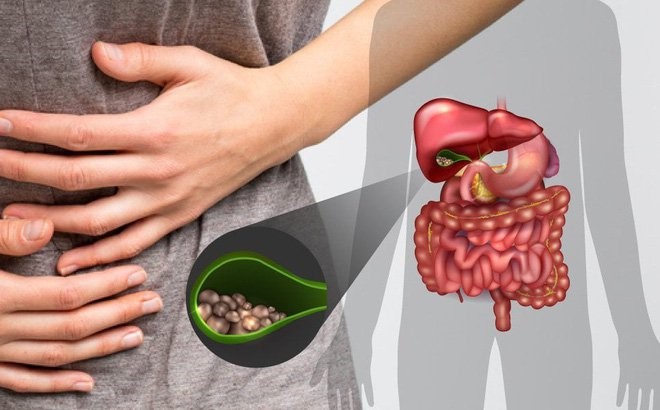
What Does the Gallbladder Do?
The gallbladder is a small, pear-shaped organ located beneath the liver.
Its main job is to:
-
Store bile produced by the liver.
-
Concentrate bile between meals.
-
Release bile into the small intestine after you eat, especially after fatty meals.
Bile helps break down fats so they can be absorbed more efficiently.
After gallbladder removal, the liver still produces bile, but instead of being stored, it flows directly into the small intestine throughout the day.
Why Is the Gallbladder Removed?
Doctors may recommend gallbladder removal for conditions such as:
-
Symptomatic gallstones.
-
Recurrent gallbladder attacks (biliary colic).
-
Acute or chronic cholecystitis (gallbladder inflammation).
-
Gallbladder polyps with concerning features.
-
Certain complications involving the bile ducts or pancreas.
For many people, surgery relieves the pain and reduces the risk of future complications.
1. Your Digestive System Learns to Adapt
One of the biggest changes after surgery is how bile enters your digestive tract.
Before surgery:
-
Bile was stored and released in larger amounts during meals.
After surgery:
-
Bile continuously drips into the small intestine in smaller amounts.
Most people adapt within several weeks to a few months.
During this adjustment period, digestion—particularly of fatty foods—may feel different.
2. Temporary Diarrhea May Occur
Some people experience loose stools after gallbladder removal.
This happens because bile flows continuously into the intestines, which may stimulate bowel activity.
Symptoms may include:
-
More frequent bowel movements.
-
Loose stools.
-
Urgency after eating.
-
Mild abdominal cramping.
For most people, these symptoms improve over time.
If diarrhea persists for several months or becomes severe, consult your healthcare provider. Treatments are available for persistent bile acid–related diarrhea.
3. Fatty Meals May Be Harder to Digest at First
Immediately after surgery, some people notice discomfort after eating meals high in fat.
Possible symptoms include:
-
Bloating.
-
Gas.
-
Indigestion.
-
Mild nausea.
-
Loose stools.
These symptoms often improve as the body adjusts.
Rather than avoiding fat completely, it is usually helpful to eat moderate amounts of healthy fats and avoid very large, greasy meals during recovery.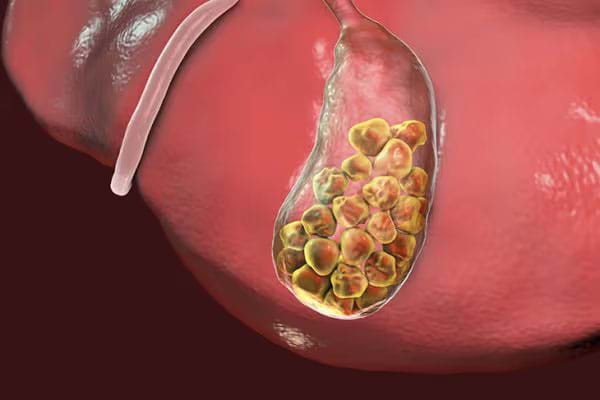
4. Bloating and Gas
Digestive changes may temporarily lead to increased gas or bloating.
This can happen because:
-
Digestion is adjusting.
-
Certain foods ferment in the intestines.
-
Eating too quickly introduces extra air into the digestive tract.
Eating slowly, chewing thoroughly, and limiting overly fatty meals may help reduce discomfort.
5. Some Foods May Trigger Symptoms
Food tolerance varies from person to person.
Some individuals find that certain foods temporarily worsen digestive symptoms, such as:
-
Fried foods.
-
Fast food.
-
High-fat dairy products.
-
Cream-based sauces.
-
Very spicy meals.
-
Large portions.
Keeping a food diary may help identify personal triggers.
Many people are eventually able to enjoy a wide variety of foods again.
6. Most Nutrient Absorption Remains Normal
A common misconception is that removing the gallbladder prevents the body from absorbing nutrients.
In reality:
-
Most people continue to digest and absorb nutrients normally.
-
Long-term nutritional deficiencies are uncommon after routine gallbladder removal.
Maintaining a balanced diet supports healthy digestion and overall well-being.
7. Weight May Change—But Surgery Is Not a Weight-Loss Procedure
Some people lose weight shortly after surgery because they eat smaller meals during recovery.
Others regain their usual weight once their appetite returns.
Gallbladder removal itself is not considered a weight-loss treatment.
Long-term weight management still depends on:
-
Overall diet.
-
Physical activity.
-
Sleep.
-
Stress management.
-
Total calorie intake.
8. Most People Can Return to Normal Eating
Once recovery is complete, many people tolerate a normal diet.
Doctors often recommend:
-
Gradually reintroducing foods.
-
Eating smaller meals initially.
-
Drinking enough water.
-
Including fiber-rich foods.
-
Limiting very high-fat meals during the early recovery period.
Over time, most individuals discover which foods work best for them.
Healthy Eating Tips After Gallbladder Removal
A balanced eating pattern can help support digestion during recovery.
Choose foods such as:
-
Fruits.
-
Vegetables.
-
Whole grains.
-
Lean poultry.
-
Fish.
-
Beans.
-
Lentils.
-
Low-fat dairy products.
-
Healthy fats in moderate amounts.
Try to limit:
-
Deep-fried foods.
-
Highly processed snacks.
-
Large portions of fatty meats.
-
Sugary beverages.
Eating several smaller meals throughout the day may feel more comfortable than eating one or two very large meals.
Can You Live Normally Without a Gallbladder?
Yes.
Millions of people worldwide live healthy lives after gallbladder removal.
Your liver continues producing bile throughout your lifetime.
Most people eventually experience little or no limitation in daily activities or food choices.
When Should You Contact Your Doctor?
While mild digestive changes are common during recovery, seek medical advice if you experience:
-
Persistent diarrhea lasting several weeks.
-
Severe abdominal pain.
-
Fever or chills.
-
Yellowing of the skin or eyes (jaundice).
-
Persistent nausea or vomiting.
-
Unexplained weight loss.
-
Blood in the stool.
-
Difficulty eating because of ongoing digestive symptoms.
These symptoms may indicate complications or another digestive condition that requires evaluation.
Common Myths About Gallbladder Removal
Myth 1: You Can't Digest Fat Without a Gallbladder
False.
The liver continues producing bile after surgery.
Although digestion may temporarily change, most people continue to digest fats adequately.
Myth 2: Everyone Develops Chronic Diarrhea
False.
Some people experience temporary diarrhea, but many never develop this symptom, and most cases improve over time.
Myth 3: You'll Need a Strict Diet Forever
False.
Most people gradually return to a varied, balanced diet after recovery.
Individual food tolerance differs, but permanent severe dietary restrictions are usually unnecessary.
Myth 4: Gallbladder Removal Causes Serious Nutritional Problems
False.
Routine gallbladder removal rarely leads to significant nutrient deficiencies.
A healthy, balanced diet is generally sufficient for most people.
Supporting Long-Term Digestive Health
Whether or not you have a gallbladder, these habits support digestive health:
-
Eat plenty of fruits and vegetables.
-
Choose whole grains whenever possible.
-
Stay physically active.
-
Drink adequate water.
-
Maintain a healthy weight.
-
Avoid smoking.
-
Limit excessive alcohol consumption.
-
Manage chronic conditions such as diabetes and high cholesterol.
These lifestyle habits benefit not only digestion but also heart health and overall wellness.
Final Thoughts
Gallbladder removal is a common and generally safe procedure that allows many people to find lasting relief from painful gallstones and other gallbladder diseases. While your digestive system may take some time to adjust, most people go on to live completely normal, healthy lives without a gallbladder.
Temporary changes such as diarrhea, bloating, or difficulty digesting fatty foods are relatively common during recovery, but they often improve within weeks to months. Eating smaller meals, choosing a balanced diet, and gradually reintroducing foods can help ease this transition.
If digestive symptoms persist, worsen, or are accompanied by warning signs such as jaundice, severe pain, fever, or significant weight loss, don't ignore them. A healthcare professional can determine whether further evaluation or treatment is needed. With appropriate care and healthy lifestyle habits, most people recover well and enjoy excellent long-term digestive health after gallbladder removal.