As we grow older, many parts of the body naturally change - including our nails. They may become thicker, more brittle, develop vertical ridges, or grow more slowly than they once did. In most cases, these changes are a normal part of aging.
However, certain nail changes may occasionally provide clues about an underlying health condition. While nails alone cannot diagnose a disease, they can sometimes reflect nutritional deficiencies, skin disorders, circulation problems, thyroid disease, or other medical conditions.
The key is knowing the difference between normal age-related changes and nail changes that deserve medical attention.
Here's what doctors want you to know.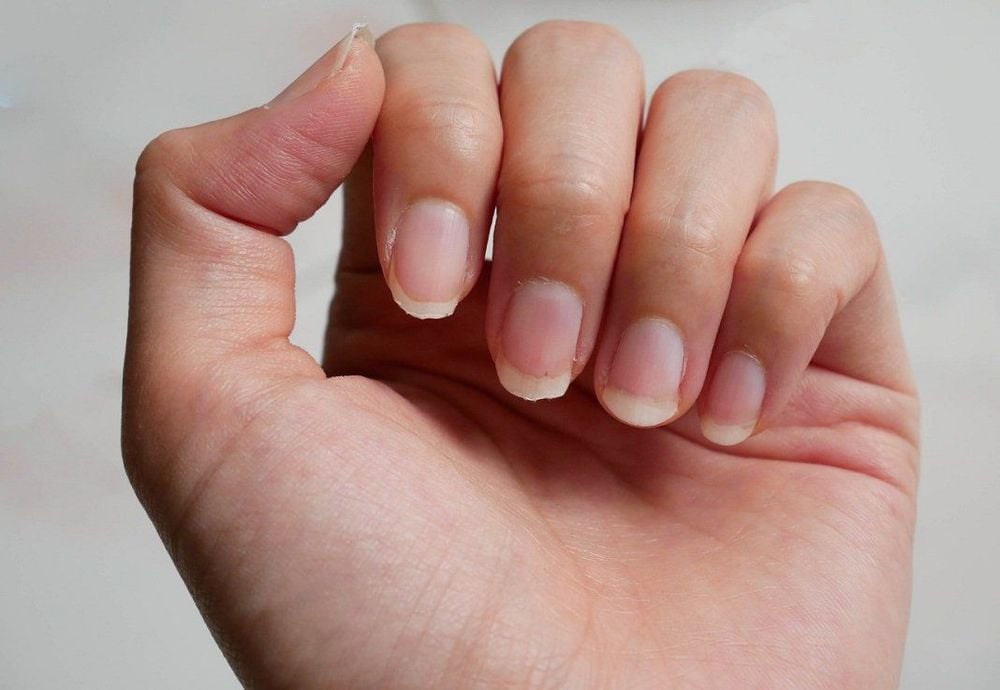
Why Do Nails Change With Age?
Healthy nails are made primarily of a protein called keratin.
As we age:
-
Nail growth gradually slows.
-
Blood circulation to the nail bed may decrease slightly.
-
Nails may lose some moisture.
-
Repeated years of minor trauma accumulate.
-
Chronic medical conditions become more common.
These factors can affect the appearance and texture of the nails.
1. Vertical Ridges
One of the most common nail changes after age 40 is the appearance of vertical ridges that run from the cuticle to the tip of the nail.
In most cases, these ridges are:
-
Normal.
-
Harmless.
-
More noticeable with age.
However, if the ridges appear suddenly or are accompanied by changes in nail color or shape, it's worth discussing them with a healthcare professional.
2. Brittle or Splitting Nails
Nails that crack, peel, or split easily are common among older adults.
Possible causes include:
-
Frequent hand washing.
-
Repeated exposure to detergents.
-
Dry weather.
-
Aging.
-
Iron deficiency.
-
Thyroid disorders.
-
Certain skin conditions.
Simple protective measures, such as wearing gloves during cleaning and using moisturizing creams, often help.
3. Thickened Nails
As people age, toenails in particular may become thicker.
Common reasons include:
-
Aging.
-
Repeated pressure from shoes.
-
Fungal nail infections.
-
Previous nail injuries.
If a nail becomes painful, discolored, or unusually thick, a healthcare provider or podiatrist can determine whether treatment is needed.
4. Spoon-Shaped Nails
Nails that curve upward like a spoon are called koilonychia.
Possible causes include:
-
Iron deficiency.
-
Certain inherited conditions.
-
Less commonly, other medical disorders.
Although not every spoon-shaped nail indicates illness, this change should be evaluated, especially if it develops in adulthood.
5. Yellow Nails
Yellow discoloration has several possible explanations.
Common causes include:
-
Nail polish staining.
-
Aging.
-
Fungal infections.
-
Smoking.
Less commonly, yellow nails may be associated with certain chronic lung conditions or a rare disorder called yellow nail syndrome.
Persistent yellow nails should be assessed if they do not improve after removing nail polish or treating a suspected fungal infection.
6. White Spots
Many people believe white spots on the nails always mean calcium deficiency.
In reality, most small white spots are caused by:
-
Minor nail injuries.
-
Small areas of damage while the nail was growing.
These spots usually grow out naturally.
Persistent or widespread changes affecting multiple nails deserve medical evaluation.
7. Dark Lines Under the Nail
A new dark brown or black streak beneath a nail should never be ignored.
Although many dark streaks are harmless, they may result from:
-
Minor bleeding after trauma.
-
Certain medications.
-
Benign pigmentation.
Rarely, a dark streak may be associated with subungual melanoma, a form of skin cancer that develops beneath the nail.
Prompt medical assessment is recommended for:
-
A new dark stripe.
-
A stripe that widens over time.
-
Pigment extending onto the surrounding skin.
-
Changes affecting only one nail without an obvious cause.
8. Clubbing of the Fingertips
Finger clubbing refers to enlargement of the fingertips accompanied by increased nail curvature.
It develops gradually.
Possible associated conditions include:
-
Chronic lung disease.
-
Certain heart conditions.
-
Inflammatory bowel disease.
-
Liver disease.
Clubbing itself is not a disease, but it may signal an underlying medical problem that requires evaluation.
9. Pitting in the Nails
Tiny dents or pits in the nail surface are often linked to skin disorders.
Possible causes include:
-
Psoriasis.
-
Alopecia areata.
-
Eczema.
People who develop nail pitting together with skin rashes or joint pain should discuss these symptoms with their healthcare provider.
10. Pale Nails
Pale nails may sometimes be associated with:
-
Anemia.
-
Poor circulation.
-
Chronic illness.
However, nail color naturally varies between individuals.
Persistent paleness accompanied by fatigue, dizziness, or shortness of breath should be medically evaluated.
11. Blue or Purple Nails
Bluish nails may suggest reduced oxygen levels or poor circulation.
Possible causes include:
-
Cold temperatures.
-
Raynaud phenomenon.
-
Heart disease.
-
Lung disease.
If blue nails occur suddenly or are accompanied by chest pain, shortness of breath, or confusion, seek emergency medical care.
Nail Changes That Are Usually Part of Normal Aging
Many changes become more common with age and are not necessarily signs of disease.
These include:
-
Slower nail growth.
-
Mild thickening.
-
Increased brittleness.
-
Vertical ridges.
-
Slight changes in nail color.
-
Drier cuticles.
These changes typically develop gradually over many years.
Tips for Keeping Nails Healthy
Healthy nail care can reduce damage and improve appearance.
Doctors often recommend:
-
Keeping nails clean and dry.
-
Trimming nails regularly.
-
Moisturizing hands and cuticles.
-
Wearing gloves during household cleaning.
-
Avoiding biting or picking at nails.
-
Limiting prolonged exposure to harsh chemicals.
-
Eating a balanced diet rich in protein, vitamins, and minerals.
Healthy nails reflect good overall care—not just good genetics.
Common Myths About Nail Health
Myth 1: Every Nail Change Means You Have a Serious Disease
False.
Most nail changes are related to aging, minor injuries, fungal infections, or everyday wear and tear.
Myth 2: White Spots Always Mean Calcium Deficiency
False.
Small white spots are usually caused by minor trauma to the nail rather than a lack of calcium.
Myth 3: Brittle Nails Always Mean Vitamin Deficiency
False.
Dryness, aging, frequent water exposure, and certain medical conditions are much more common causes.
Myth 4: Healthy Nails Don't Need Care
False.
Regular moisturizing, protection from repeated trauma, and good nutrition help maintain healthy nails throughout life.
When Should You See a Doctor?
Arrange a medical evaluation if you notice:
-
A new dark streak beneath one nail.
-
Rapid changes in nail shape.
-
Clubbing of the fingertips.
-
Persistent pain around a nail.
-
Thickened nails with discoloration.
-
Nails separating from the nail bed.
-
Recurrent infections.
-
Nail changes accompanied by fatigue, weight loss, shortness of breath, or other concerning symptoms.
Early evaluation can help identify both nail disorders and any underlying health conditions.
When Is It an Emergency?
Seek immediate medical care if nail changes occur together with:
-
Severe shortness of breath.
-
Chest pain.
-
Sudden blue lips or fingernails.
-
Serious hand injury involving the nail.
These symptoms require urgent medical attention.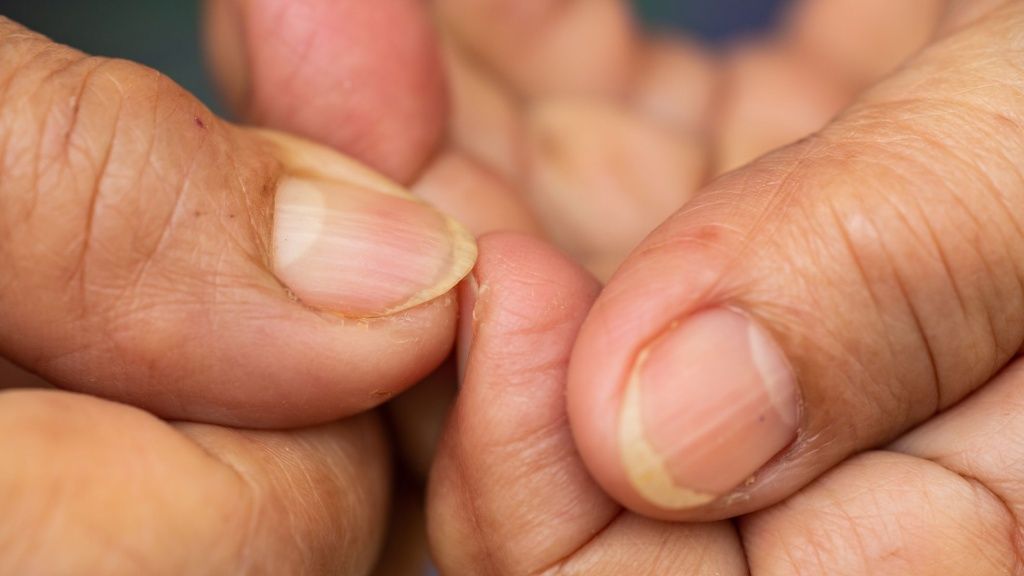
Final Thoughts
As you age, changes in your nails are common and, in many cases, completely normal. Vertical ridges, slower growth, mild thickening, and increased brittleness often develop over time and are simply part of the natural aging process.
At the same time, some nail changes deserve closer attention, particularly if they appear suddenly, affect only one nail, continue to worsen, or are accompanied by symptoms elsewhere in the body. Dark streaks beneath a nail, clubbing of the fingertips, persistent discoloration, painful swelling, or nails that separate from the nail bed may warrant medical evaluation.
Remember that your nails are only one piece of the puzzle. They cannot diagnose disease on their own, but when considered alongside your overall health and other symptoms, they may provide useful clues. Paying attention to new or persistent changes—and seeking professional advice when appropriate—can help ensure that both common nail conditions and more serious health issues are identified and treated as early as possible.