
10 Possible Symptoms of Kidney Disease You Shouldn't Ignore
10 Early Warning Signs of Kidney Disease to Watch For
Health 17/07/2026 14:35
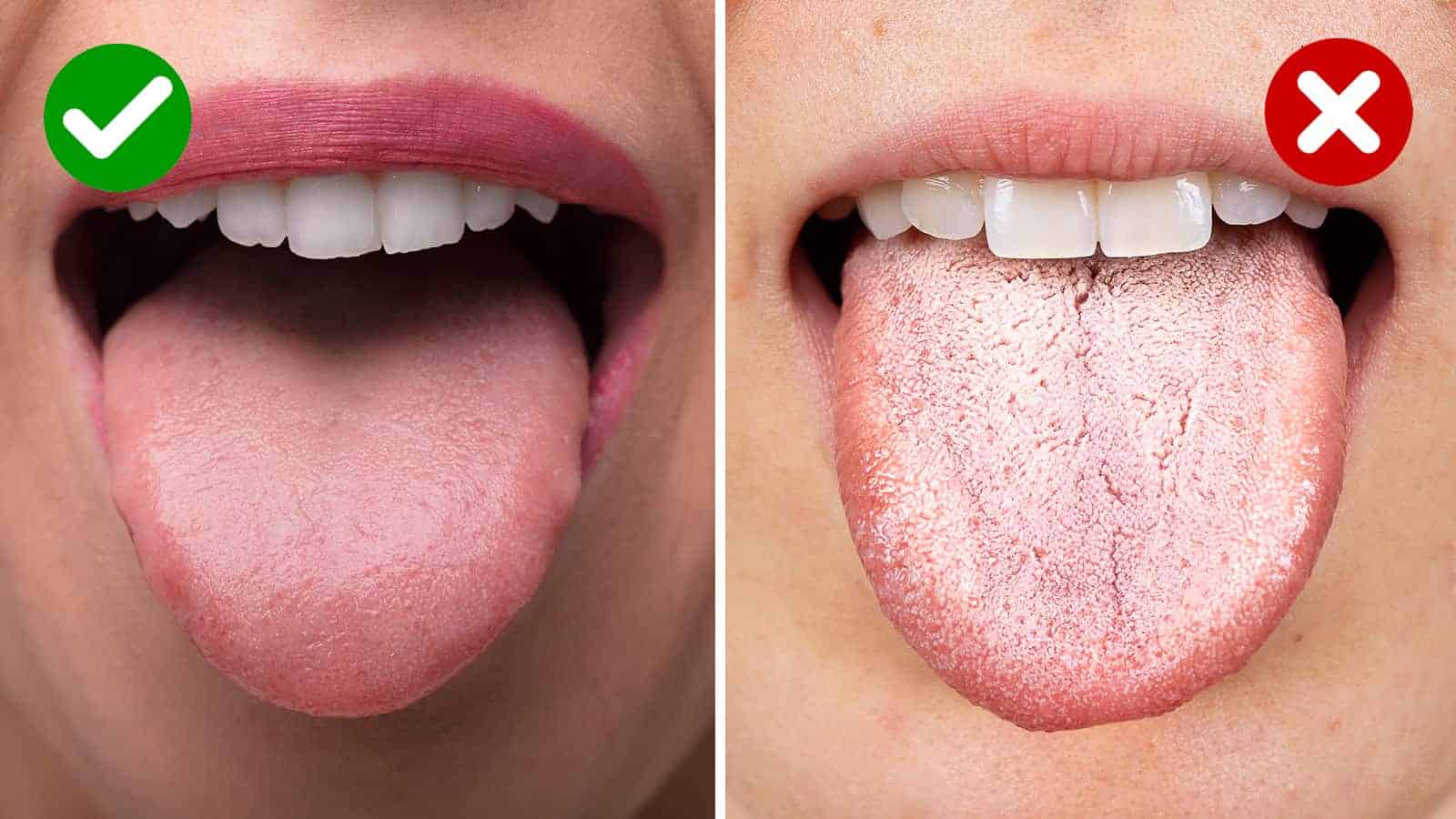
A white coating on the tongue is a common finding that can have many different causes. In many cases, it's harmless and results from a buildup of bacteria, food debris, and dead cells on the tongue's surface. However, a persistent white tongue can sometimes signal an underlying medical condition that requires treatment.
Here are 10 possible reasons why your tongue may appear white.
One of the most common causes of a white tongue is inadequate oral hygiene.
When bacteria, food particles, and dead cells accumulate between the tiny bumps (papillae) on the tongue, a white coating can develop.
Improve oral hygiene by:
Brushing your teeth twice daily.
Gently brushing or scraping your tongue.
Flossing every day.
Visiting your dentist regularly.
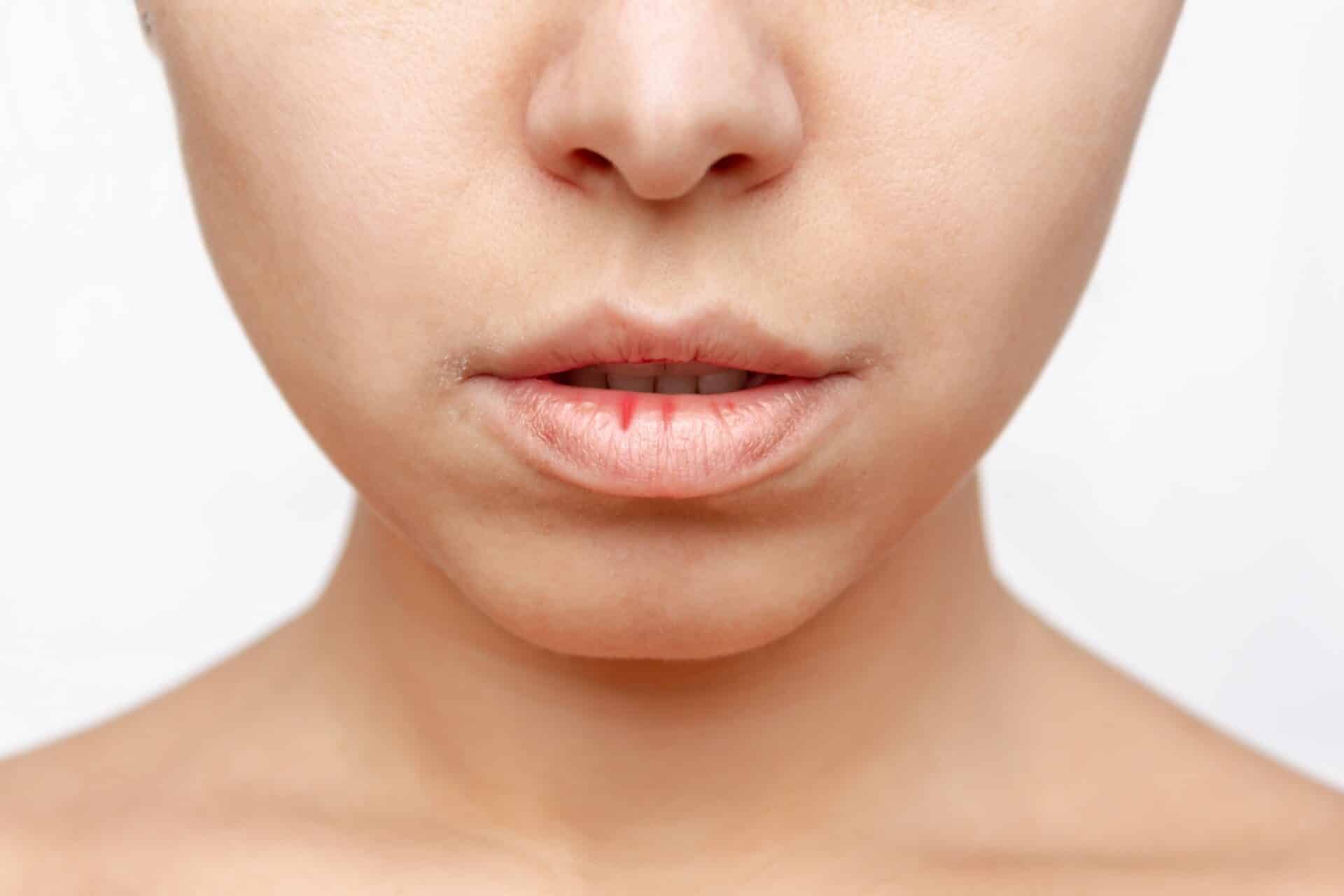
A dry mouth (xerostomia) reduces saliva production, allowing bacteria and debris to build up more easily.
Common causes include:
Dehydration
Mouth breathing
Certain medications
Sjögren's syndrome
Drinking enough water and treating the underlying cause may help.
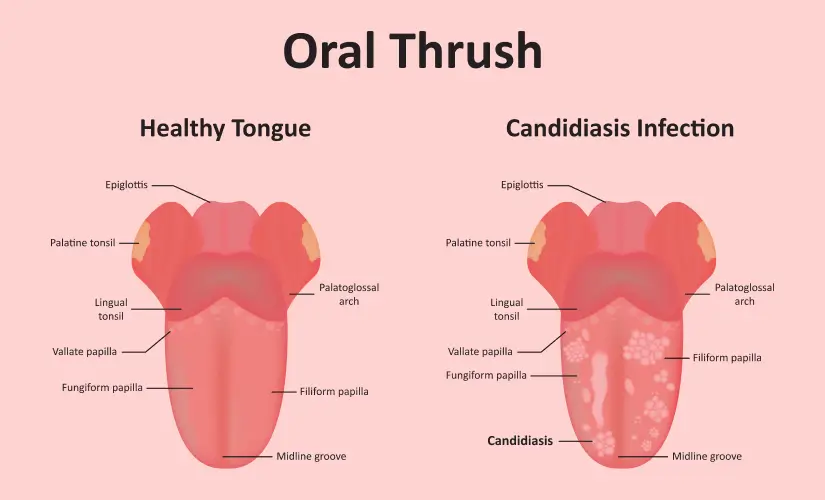
Oral thrush is a fungal infection caused by an overgrowth of Candida yeast.
Symptoms may include:
Thick white patches on the tongue or inside the cheeks.
Redness or soreness.
Difficulty swallowing in severe cases.
Oral thrush is more common in infants, older adults, people with diabetes, those using inhaled corticosteroids, or individuals with weakened immune systems.

Leukoplakia causes thick white patches that cannot easily be scraped off.
It is often associated with:
Tobacco use
Chronic irritation inside the mouth
Although most cases are benign, some may develop into oral cancer over time, so evaluation by a dentist or physician is important.
Oral lichen planus is a chronic inflammatory condition that may produce white, lace-like patches on the tongue or inside the mouth.
It may also cause:
Burning sensations.
Mouth discomfort.
Sensitivity to spicy foods.
A healthcare professional can confirm the diagnosis.
Despite its name, geographic tongue can sometimes include white borders surrounding smooth, red patches.
The appearance may change over time and is generally harmless, although some people experience sensitivity to certain foods.
Smoking can irritate the mouth and contribute to the buildup of keratin on the tongue, making it appear white.
Quitting smoking benefits not only oral health but also overall health.
Illnesses that cause dehydration or prolonged fever may temporarily lead to a white-coated tongue.
Staying well hydrated usually helps the tongue return to its normal appearance.
Although less common, deficiencies in certain nutrients—such as iron, vitamin B12, or folate—may contribute to changes in the tongue's appearance.
These deficiencies often cause additional symptoms, including fatigue or weakness.
A persistent white tongue may occasionally be associated with underlying health conditions, including:
Diabetes
Immune system disorders
Gastrointestinal conditions
Chronic infections
A medical evaluation may be needed if the cause is unclear.
Simple daily habits can help maintain a healthy tongue:
Brush or scrape your tongue every day.
Drink plenty of water.
Brush and floss regularly.
Avoid tobacco products.
Limit excessive alcohol consumption.
Schedule routine dental checkups.
Good oral hygiene is the best defense against many causes of a white tongue.
Seek medical or dental evaluation if:
The white coating lasts longer than two weeks.
White patches cannot be scraped off.
You have pain, burning, or difficulty swallowing.
You notice sores, bleeding, or lumps in your mouth.
The white tongue is accompanied by fever, weight loss, or other unexplained symptoms.
Early evaluation is especially important if you smoke or have a weakened immune system.
A white tongue is often caused by harmless conditions such as poor oral hygiene, dry mouth, or dehydration. However, persistent white patches may also be linked to oral thrush, leukoplakia, lichen planus, nutritional deficiencies, or other medical conditions.
If your white tongue does not improve with good oral hygiene or is accompanied by pain, persistent patches, or other concerning symptoms, consult a healthcare professional for an accurate diagnosis and appropriate treatment.
10 Early Warning Signs of Kidney Disease to Watch For

😮 Eating Walnuts Every Week? Here's How They May Affect Your Body

5 Vegetables That Taste Better—and Are Safer—When Cooked

A heart attack often gives warning signs first — here are 7 to know

Could your favorite sleeping position reveal hidden personality traits?

Daily tomato juice may offer health benefits, but moderation still matters.

Before You Squash This Tiny Insect, Find Out What It Is

These Bruises Could Mean More Than Just a Minor Bump 👇

Your Heart May Be Sending You a Warning. Are You Listening?

Waking Up at 3 or 4 A.M.? It Isn't Always Random 👇

He Ignored the Symptoms, Thinking They Were Just Allergies—Doctors Found Something Else

Scientists Studied This Village's Diet—and One Root Vegetable Stood Out

Frequent Nighttime Wake-Ups Aren't Always Normal—Here's What You Should Know
Doctors Explain What Weak or Brittle Nails May Be Trying to Tell You

Is It Normal to Need a Bowel Movement Right After a Meal?
Healthy Nails Matter: Common Changes to Watch for After Age 40

8 Possible Reasons You're Waking Up With a Dry Mouth

Your Brain May Be Sending These 10 Early Warning Signals 👇
10 Early Warning Signs of Kidney Disease to Watch For

One Mistake With a Power Strip Could Put Your Home at Risk
😮 Eating Walnuts Every Week? Here's How They May Affect Your Body
5 Vegetables That Taste Better—and Are Safer—When Cooked

A heart attack often gives warning signs first — here are 7 to know
Could your favorite sleeping position reveal hidden personality traits?
Daily tomato juice may offer health benefits, but moderation still matters.
Before You Squash This Tiny Insect, Find Out What It Is
These Bruises Could Mean More Than Just a Minor Bump 👇

What You See First Reveals a Hidden Side of Your Personality
Your Heart May Be Sending You a Warning. Are You Listening?
Waking Up at 3 or 4 A.M.? It Isn't Always Random 👇
He Ignored the Symptoms, Thinking They Were Just Allergies—Doctors Found Something Else
Scientists Studied This Village's Diet—and One Root Vegetable Stood Out

Frequent Nighttime Wake-Ups Aren't Always Normal—Here's What You Should Know
Doctors Explain What Weak or Brittle Nails May Be Trying to Tell You
Is It Normal to Need a Bowel Movement Right After a Meal?