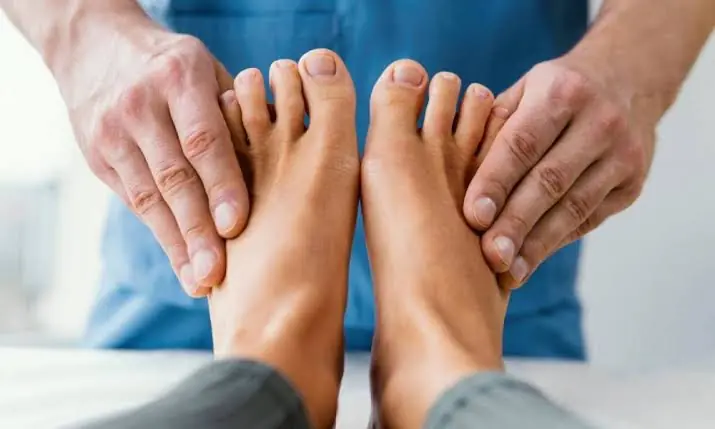
What Certain Changes in Your Feet May Reveal About Your Overall Health
Foot Changes That May Be Linked to Certain Health Conditions
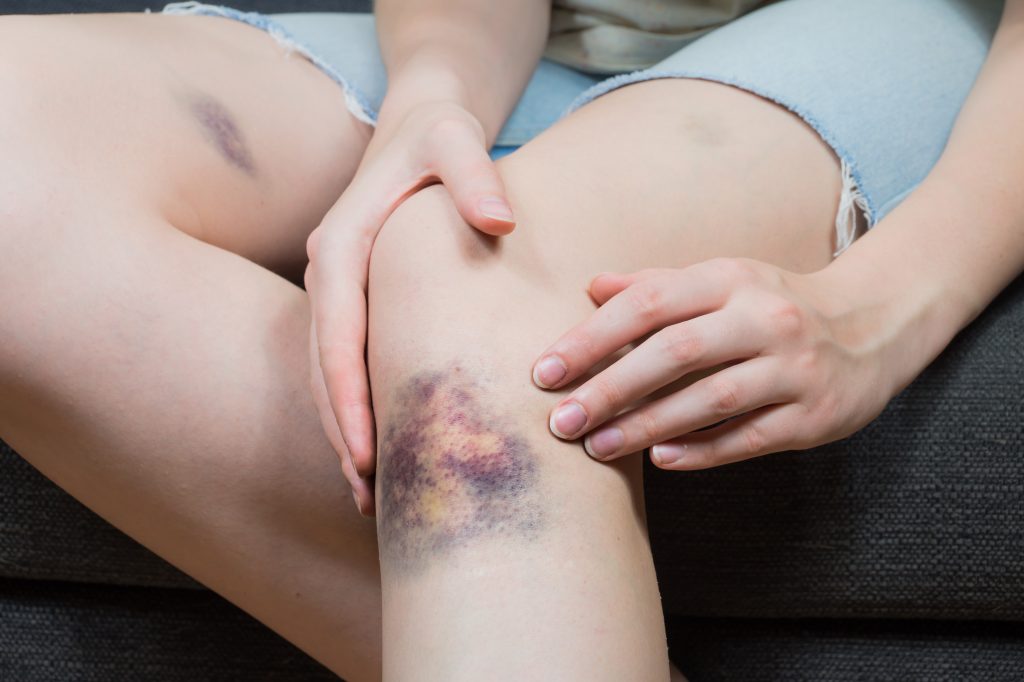
Bruises are a common part of life and often occur after a minor bump or injury. They develop when small blood vessels beneath the skin break, causing blood to leak into the surrounding tissue. Most bruises heal on their own within a couple of weeks.
However, if you notice frequent bruising without remembering an injury, it could be your body's way of signaling an underlying issue. Here are 10 possible causes of unexplained bruising and when it's time to seek medical attention.
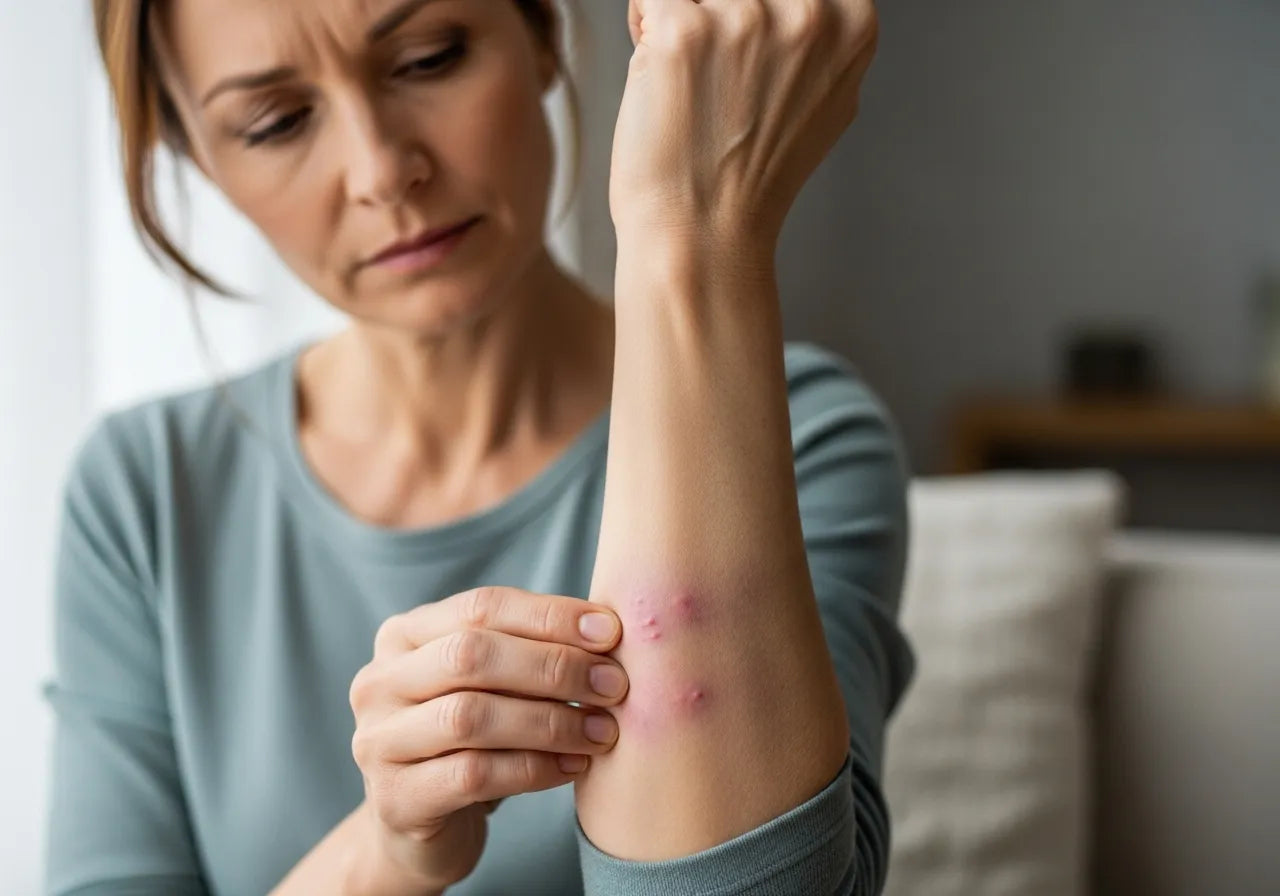
Many bruises result from small bumps that happen during everyday activities and are quickly forgotten.
These bruises are usually:
Small.
Mildly tender.
Located on the arms or legs.
Gone within one to two weeks.
As you age, your skin becomes thinner and loses some of the protective fat beneath it.
Blood vessels also become more fragile, making bruises more likely to occur after even minor trauma.
Older adults commonly experience bruises on the hands and forearms.
Vitamin C helps your body produce collagen, which strengthens blood vessels.
A deficiency may lead to:
Easy bruising.
Bleeding gums.
Slow wound healing.
Fatigue.
Eating more fruits and vegetables rich in vitamin C can help prevent deficiency.
Vitamin K is essential for normal blood clotting.
Low levels may increase the risk of:
Easy bruising.
Frequent nosebleeds.
Excessive bleeding after injuries.
People with digestive disorders or poor nutrient absorption may be at higher risk.
Some medications make bruising more likely because they reduce blood clotting or affect blood vessels.
Examples include:
Blood thinners.
Aspirin.
Some anti-inflammatory medications.
Long-term corticosteroids.
Never stop a prescribed medication without consulting your healthcare provider.
Platelets help your blood clot after an injury.
When platelet levels are low, you may notice:
Frequent bruises.
Tiny red or purple spots on the skin (petechiae).
Bleeding gums.
Nosebleeds.
A blood test can help determine whether your platelet count is normal.
The liver produces many of the proteins needed for blood clotting.
When liver function is impaired, people may bruise more easily and experience other symptoms such as:
Yellowing of the skin or eyes (jaundice).
Swelling in the legs or abdomen.
Fatigue.
Inherited or acquired bleeding disorders, such as von Willebrand disease or hemophilia, can cause frequent bruising.
Other signs may include:
Heavy menstrual bleeding.
Prolonged bleeding after cuts.
Frequent nosebleeds.
A healthcare provider can perform specialized testing if a bleeding disorder is suspected.
Strenuous exercise or heavy lifting can occasionally damage tiny blood vessels or muscle tissue, leading to bruising.
These bruises usually improve with rest and time.
Frequent unexplained bruising may sometimes be associated with medical conditions such as:
Blood disorders.
Autoimmune diseases.
Some cancers affecting the blood or bone marrow.
Although these causes are much less common, persistent or severe bruising should always be evaluated by a healthcare professional.
Most bruises improve without treatment.
You can help reduce discomfort by:
Applying a cold compress during the first 24–48 hours.
Elevating the affected area if possible.
Resting the injured body part.
Switching to a warm compress after the first two days to promote healing.
Avoid massaging a fresh bruise, as this may worsen bleeding under the skin.
Seek medical attention if you:
Develop frequent bruises without an obvious cause.
Have very large or painful bruises.
Experience bruising along with prolonged bleeding.
Notice blood in your urine or stool.
Develop bruises together with fever, unexplained weight loss, or extreme fatigue.
Are taking blood-thinning medication and experience unusual bruising.
Prompt evaluation can help identify whether an underlying condition requires treatment.
Most bruises are harmless and result from minor injuries that heal naturally. However, frequent or unexplained bruising can sometimes be linked to vitamin deficiencies, medication side effects, aging, liver disease, bleeding disorders, or other medical conditions.
If bruises appear often, are unusually large, or are accompanied by other concerning symptoms, it's important to consult a healthcare professional for a proper evaluation. Early diagnosis can help ensure the right treatment and protect your overall health.
Foot Changes That May Be Linked to Certain Health Conditions

Before Bed, You May Want to Limit These 4 Types of Beverages

10 Early Warning Signs of Kidney Disease to Watch For
😮 Eating Walnuts Every Week? Here's How They May Affect Your Body

5 Vegetables That Taste Better—and Are Safer—When Cooked
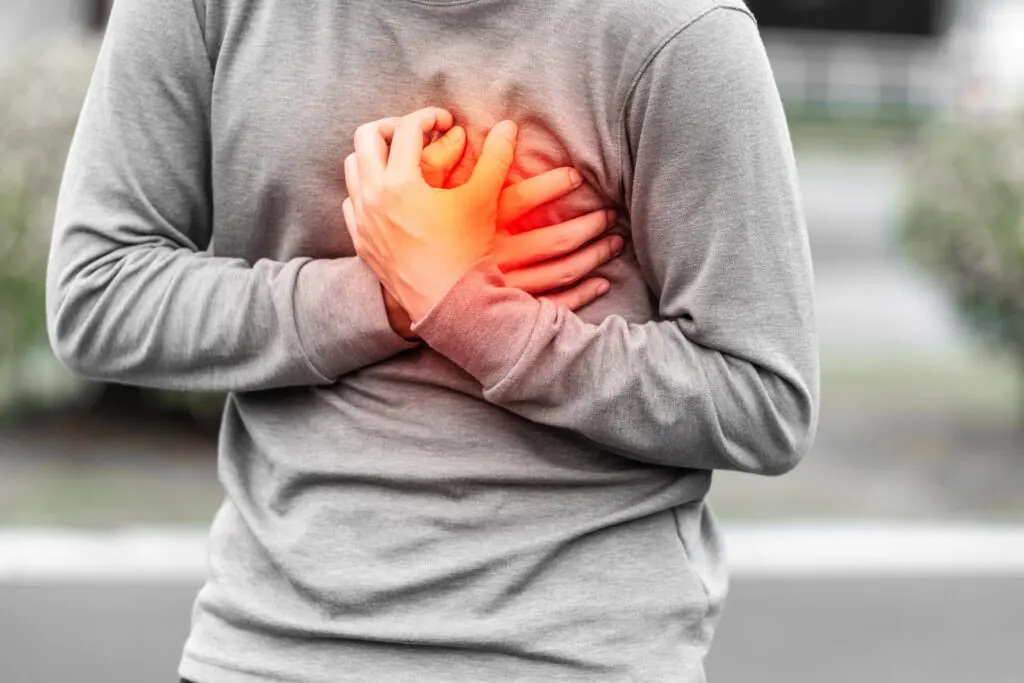
A heart attack often gives warning signs first — here are 7 to know

Could your favorite sleeping position reveal hidden personality traits?

Daily tomato juice may offer health benefits, but moderation still matters.
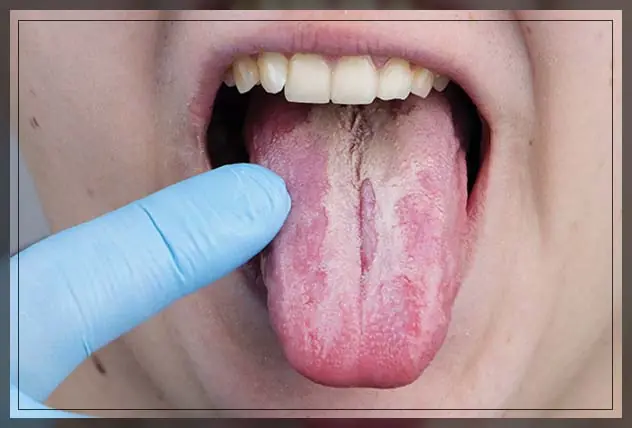
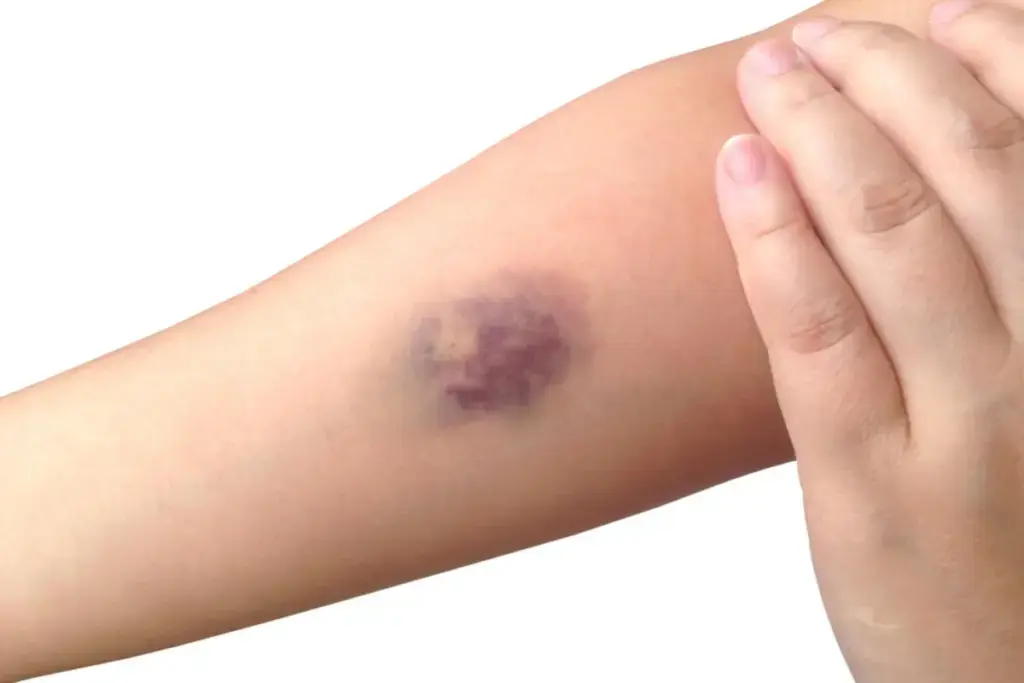
These Bruises Could Mean More Than Just a Minor Bump 👇
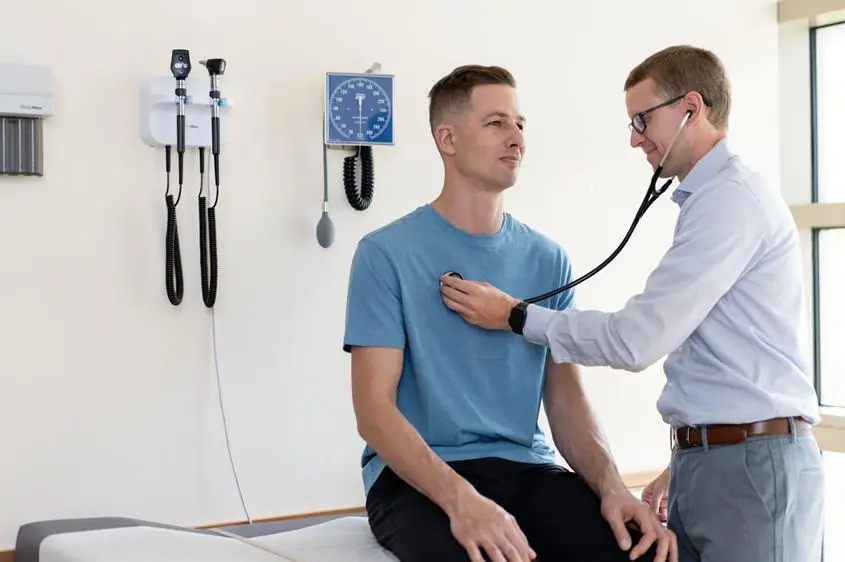
Your Heart May Be Sending You a Warning. Are You Listening?

Waking Up at 3 or 4 A.M.? It Isn't Always Random 👇
He Ignored the Symptoms, Thinking They Were Just Allergies—Doctors Found Something Else

Scientists Studied This Village's Diet—and One Root Vegetable Stood Out

Frequent Nighttime Wake-Ups Aren't Always Normal—Here's What You Should Know
Doctors Explain What Weak or Brittle Nails May Be Trying to Tell You

Is It Normal to Need a Bowel Movement Right After a Meal?
Healthy Nails Matter: Common Changes to Watch for After Age 40

8 Possible Reasons You're Waking Up With a Dry Mouth

Foot Changes That May Be Linked to Certain Health Conditions

🧦❤️ Sleeping With Socks On Every Night? Here's What It Could Mean for Your Health
Before Bed, You May Want to Limit These 4 Types of Beverages
10 Early Warning Signs of Kidney Disease to Watch For

One Mistake With a Power Strip Could Put Your Home at Risk
😮 Eating Walnuts Every Week? Here's How They May Affect Your Body
5 Vegetables That Taste Better—and Are Safer—When Cooked

A heart attack often gives warning signs first — here are 7 to know
Could your favorite sleeping position reveal hidden personality traits?
Daily tomato juice may offer health benefits, but moderation still matters.

Before You Squash This Tiny Insect, Find Out What It Is
These Bruises Could Mean More Than Just a Minor Bump 👇

What You See First Reveals a Hidden Side of Your Personality
Your Heart May Be Sending You a Warning. Are You Listening?
Waking Up at 3 or 4 A.M.? It Isn't Always Random 👇
He Ignored the Symptoms, Thinking They Were Just Allergies—Doctors Found Something Else