Waking Up at 3–4 AM: What Your Body Is Actually Trying to Tell You



Waking up at 3 or 4 in the morning can feel random — but it usually isn’t. Your body runs on internal rhythms, and when something is off, sleep is often the first place it shows up.
Let’s be real:
It’s not some mystical “sign of the universe.”
It’s usually your biology, stress levels, or habits talking.
1. Stress and Overthinking (The Most Common Cause)
This one hits hard for most people.
At around 3–4 AM:
-
Your body starts producing cortisol (the stress hormone)
-
Your mind becomes more alert
If you’re stressed, your brain goes like:
“Perfect time to replay every problem in life.”
So you wake up — and suddenly:
-
Overthinking kicks in
-
You can’t fall back asleep
2. Blood Sugar Drops at Night
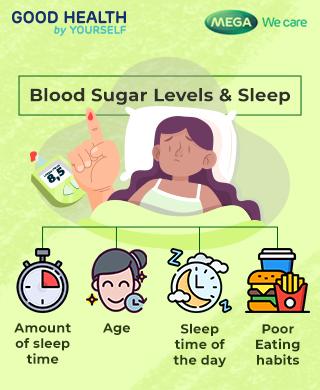


If your blood sugar dips during sleep:
-
Your body releases stress hormones
-
You wake up suddenly
Signs this might be your issue:
-
Waking up hungry
-
Sweating at night
-
Feeling restless
This often links to:
-
Late-night eating habits
-
High sugar intake during the day
3. Disrupted Sleep Cycle
Your sleep isn’t one long block — it’s cycles.
Around 3–4 AM:
-
You’re usually in a lighter sleep phase
-
Easier to wake up
If your sleep quality is poor (screen time, caffeine, irregular schedule), you’re more likely to:
-
Wake up during this phase
-
Stay awake instead of drifting back
4. Anxiety or Emotional Load


Nighttime removes distractions.
So unresolved emotions show up:
-
Anxiety
-
Worry
-
Pressure
That’s why 3 AM thoughts feel heavier than daytime thoughts.
5. Environmental Triggers
Sometimes it’s not deep — it’s practical:
-
Noise
-
Temperature too hot/cold
-
Light exposure
-
Uncomfortable mattress or pillow
Your brain wakes you up because something feels off.
6. Possible Health Factors (Less Common, But Real)
If it happens frequently, it could relate to:
-
Hormonal changes
-
Sleep disorders (like insomnia)
-
Sleep apnea
-
Medication effects
What It’s NOT
Let’s clear the myth:
-
Not a “spiritual awakening signal”
-
Not your body sending a mystical message
-
Not automatically a serious disease
It’s usually a mix of physiology + lifestyle + mental state.
How to Fix It (Simple but Effective)

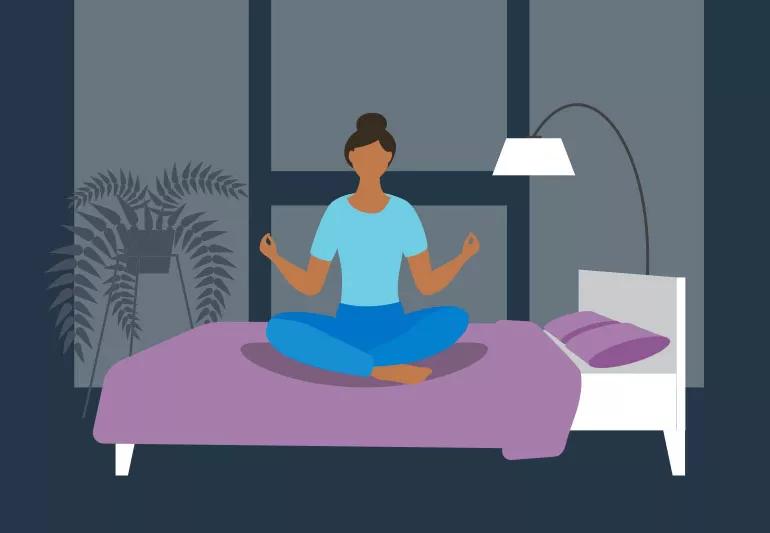

Try this combo:
-
Reduce screen time before bed
-
Avoid caffeine late in the day
-
Keep a consistent sleep schedule
-
Eat balanced meals (not too late, not too sugary)
-
Manage stress (journaling, breathing, meditation)
-
Keep your room cool and dark
When Should You Worry?
You should pay attention if:
-
It happens almost every night
-
You feel exhausted during the day
-
You can’t fall back asleep at all
-
It comes with other symptoms (snoring, breathing issues, anxiety spikes)
Final Take
Waking up at 3–4 AM isn’t random — but it’s also not mysterious.
It’s your body saying:
“Something in your routine or mind needs adjustment.”
The key is not to panic —
but to observe patterns and fix the root cause.
Sometimes the problem isn’t that you woke up…