Your Feet Are Trying to Tell You Something — Don’t Ignore These Warning Signs



Your feet are more than just a way to get around — they are powerful indicators of your overall health. From circulation issues to nerve damage, subtle changes in your feet can reveal deeper problems happening inside your body. Yet, many people overlook these signs until the condition becomes serious.
If you’ve ever felt tingling, noticed discoloration, or experienced persistent discomfort in your feet, it might be time to pay closer attention. Below are twelve critical changes in your feet that you should never ignore, especially when it comes to circulation and nerve health.
1. Persistent Cold Feet
Cold feet aren’t always just about the weather. If your feet frequently feel cold even in warm environments, it could indicate poor blood circulation. This may be linked to conditions like peripheral artery disease (PAD), where blood flow to the limbs is reduced.
2. Burning Sensation
A burning feeling in your feet — especially at night — is often associated with nerve damage (neuropathy). This is commonly seen in people with diabetes, but it can also occur due to vitamin deficiencies or excessive alcohol use.
3. Numbness or Tingling
That “pins and needles” sensation might seem harmless at first, but chronic numbness can signal nerve compression or damage. Over time, this can lead to loss of sensation, increasing the risk of unnoticed injuries.
4. Swelling (Edema)


Swollen feet can result from standing too long, but if the swelling is persistent, it may point to circulatory issues, heart problems, or kidney dysfunction. Edema happens when fluid builds up in the tissues.
5. Discoloration (Red, Blue, or Pale Feet)
Changes in foot color can reveal serious underlying conditions:
-
Redness may indicate inflammation or infection
-
Bluish tones suggest poor oxygen supply
-
Pale skin can signal reduced blood flow
Your skin tone can literally show how well your blood is circulating.
6. Slow-Healing Wounds
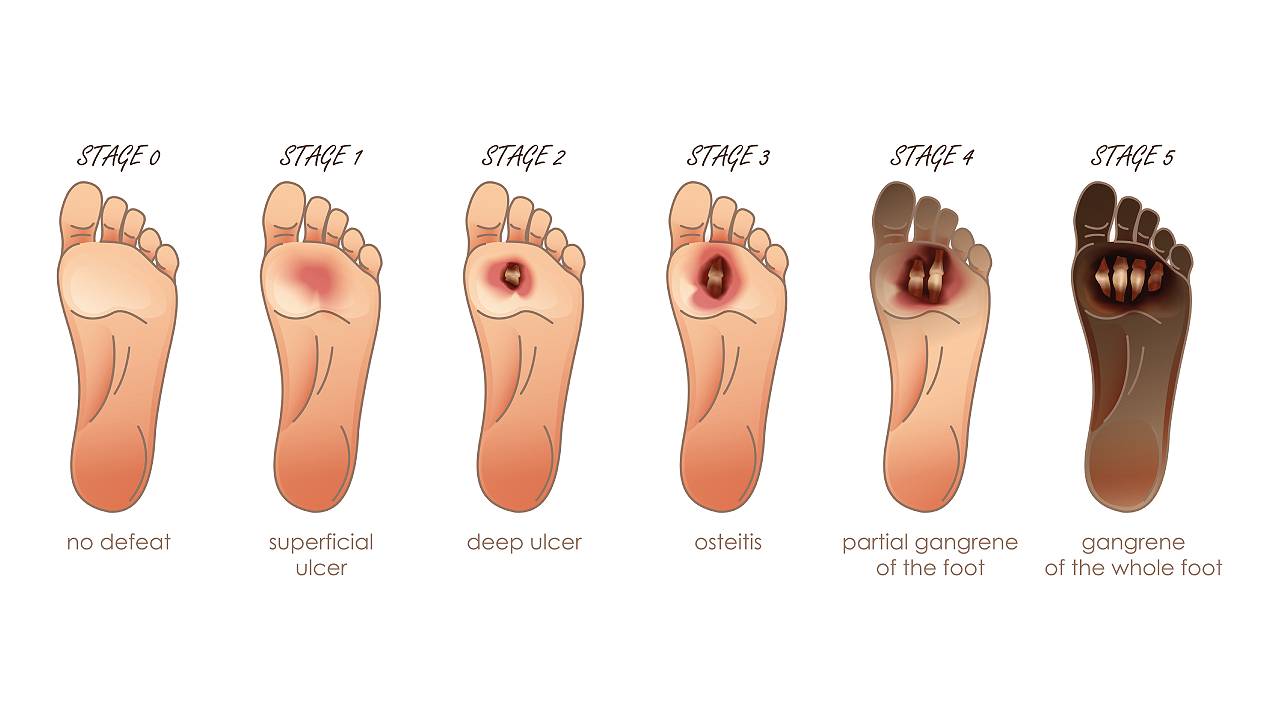
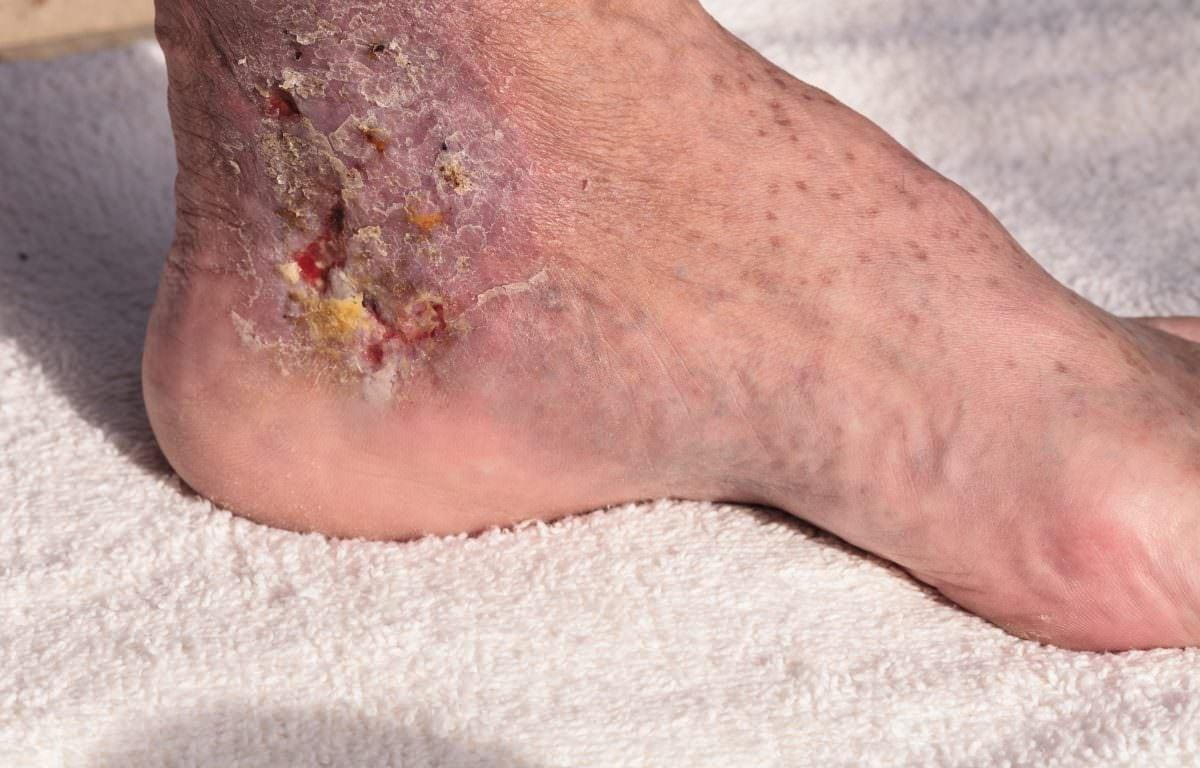

If small cuts or blisters take a long time to heal, this is a major red flag. Poor circulation and nerve damage can prevent proper healing, increasing the risk of infection — especially dangerous for people with diabetes.
7. Cramping in Feet or Calves
Frequent cramping, particularly when walking, may be linked to restricted blood flow. This condition, known as claudication, often improves with rest but should not be ignored.
8. Dry, Cracked Skin
While dry skin might seem like a minor issue, severe cracking can be related to poor circulation or underlying metabolic conditions. It also increases the risk of infections entering through the skin.
9. Thickened or Discolored Toenails
Changes in your toenails can signal fungal infections, but they may also reflect circulatory problems or weakened immune function. Yellow, brittle, or thick nails should be checked.
10. Loss of Hair on Feet or Toes
This might sound surprising, but hair loss on your feet can indicate reduced blood supply. Hair follicles need nutrients from the bloodstream, so when circulation drops, hair growth stops.
11. Increased Sensitivity or Pain
If your feet become overly sensitive — even to light touch — this could be a sign of nerve dysfunction. On the flip side, reduced sensitivity is equally concerning.
12. Changes in Foot Shape or Structure

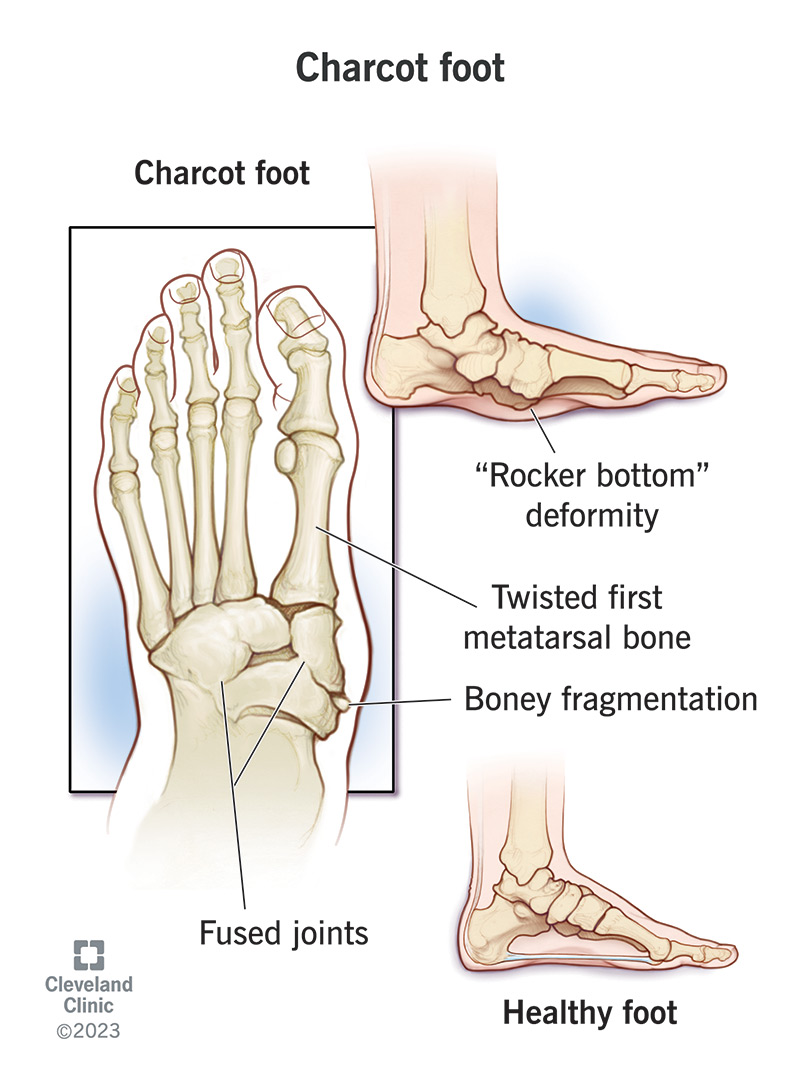
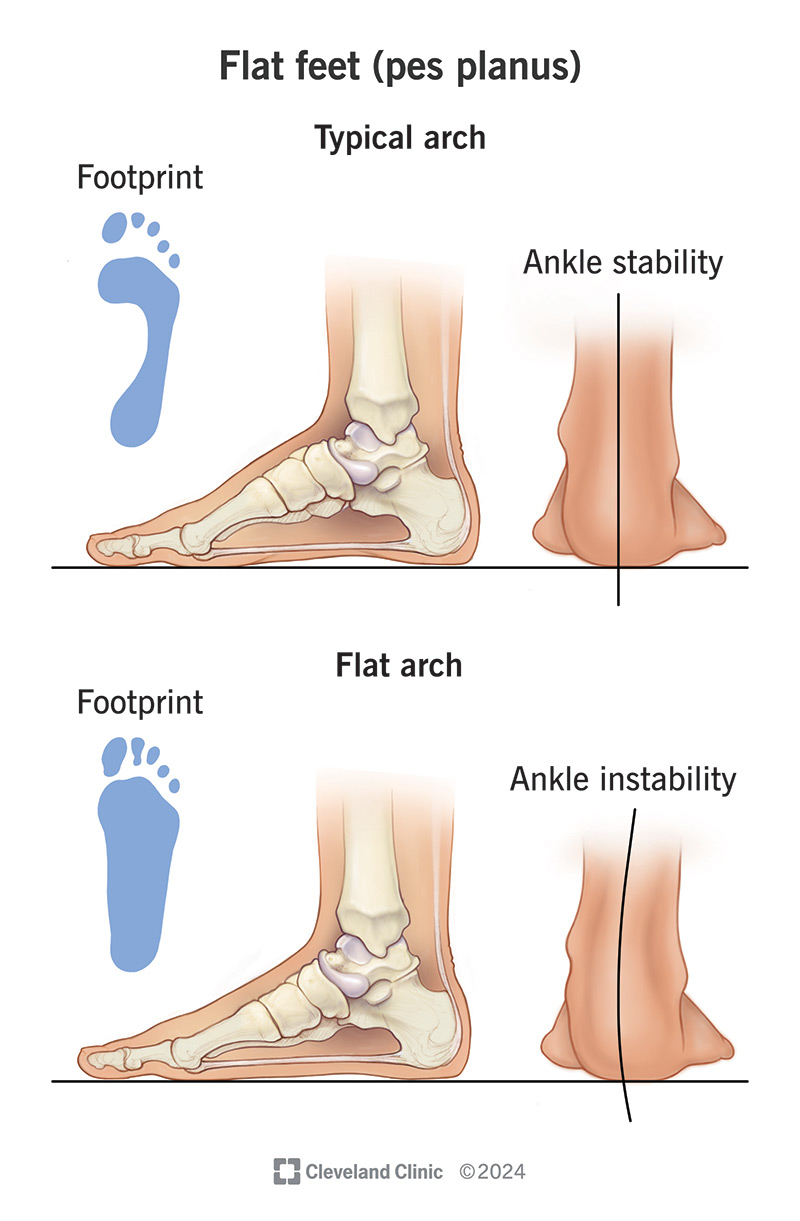
Sudden changes in the shape of your foot, such as collapsing arches or deformities, can be linked to serious nerve damage. One example is Charcot foot, a condition often associated with diabetes.
Why These Signs Matter More Than You Think
Your feet are located far from your heart, meaning they are often the first place where circulation problems show up. Similarly, nerve endings in the feet are highly sensitive, making them early indicators of neurological issues.
Ignoring these symptoms can lead to complications such as:
-
Chronic pain
-
Severe infections
-
Mobility issues
-
In extreme cases, amputation
When Should You See a Doctor?
Don’t wait until the pain becomes unbearable. You should seek medical advice if you notice:
-
Persistent numbness or burning
-
Wounds that won’t heal
-
Severe swelling or discoloration
-
Sudden structural changes
Early detection can make a huge difference in preventing long-term damage.
How to Protect Your Foot Health
Taking care of your feet doesn’t have to be complicated. Here are a few practical steps:
-
Check your feet daily for unusual changes
-
Keep them clean and moisturized
-
Wear comfortable, supportive shoes
-
Manage underlying conditions like diabetes or high blood pressure
-
Stay active to improve circulation
Final Thoughts
Your feet are like a built-in warning system for your body. They quietly signal when something isn’t right — but only if you’re paying attention.
So next time you feel something off — whether it’s a slight tingling, unusual color, or persistent discomfort — don’t brush it off. Those small signs could be your body’s way of saying: “Hey, something deeper is going on.”
Take it seriously. Because sometimes, the smallest symptoms can reveal the biggest health risks.