Your Body May Warn You Weeks Before a Heart Attack: 7 Signs You Should Never Ignore
Subtle symptoms may signal a heart attack weeks in advance.
Health 18/03/2026 19:28
Diabetes is a chronic condition that often develops silently, with symptoms appearing gradually over time. While many people associate diabetes with thirst, fatigue, or frequent urination, medical experts emphasize that some of the earliest warning signs can actually appear in your feet.
High blood sugar can damage nerves and blood vessels, especially in the lower extremities. This condition, known as diabetic neuropathy, may lead to serious complications if left untreated.
Understanding these early signals can help individuals seek timely medical care and prevent long-term damage.

One of the earliest and most common signs of diabetes-related nerve damage is numbness in the feet. Patients may notice a reduced ability to feel pain, heat, or cold.
This loss of sensation can be dangerous because injuries may go unnoticed and worsen over time.
A tingling sensation—often described as “pins and needles”—is another early indicator of nerve damage. It typically begins in the toes and gradually spreads.
This symptom may seem mild at first but can intensify if blood sugar levels remain uncontrolled.
Some individuals experience burning, stabbing, or shooting pain in their feet, particularly at night. This discomfort is linked to damaged nerve fibers.
In severe cases, the pain can interfere with sleep and daily activities.
Diabetes can reduce the body’s ability to retain moisture, leading to dry and cracked skin on the feet. These cracks can become entry points for bacteria, increasing the risk of infection.
Dry skin is often overlooked but can be an early warning sign of underlying metabolic issues.
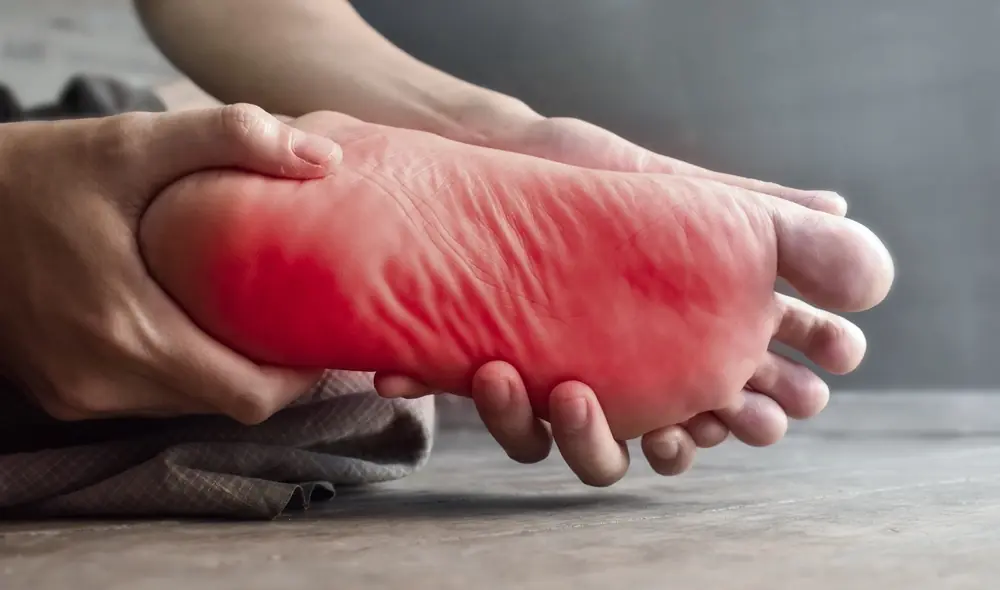
One of the most serious signs of diabetes is wounds that take a long time to heal. Even small cuts, blisters, or ulcers may persist and worsen.
Poor circulation and nerve damage reduce the body’s ability to repair tissue effectively, making infections more likely.
If your feet frequently appear red, pale, or bluish, or feel unusually warm or cold, it could indicate poor blood flow.
Circulation problems are common in people with diabetes and can lead to serious complications if untreated.
Unexplained swelling may signal fluid retention or inflammation caused by poor circulation.
This symptom can make walking uncomfortable and may indicate more advanced vascular issues related to diabetes.
Changes in toenail appearance—such as thickening, yellowing, or brittleness—can be linked to fungal infections, which are more common in people with diabetes.
These infections thrive in high-sugar environments and should be treated promptly.
Reduced hair growth on the feet and lower legs may seem minor, but it can signal poor circulation.
When blood flow is limited, hair follicles receive less oxygen and nutrients, leading to hair loss.
In advanced cases, nerve damage can affect the structure of the foot, leading to deformities such as Charcot foot.
This condition may begin with swelling and redness before progressing to visible changes in foot shape.
Foot symptoms are often among the earliest indicators of diabetes because the feet are farthest from the heart and most vulnerable to poor circulation and nerve damage.
Left untreated, these issues can escalate into infections, ulcers, and even amputation in severe cases.
Early detection is critical. Recognizing these warning signs allows for better management of blood sugar levels and prevention of complications.
Medical professionals recommend seeking immediate care if you notice:
Persistent numbness or tingling
Wounds that don’t heal
Sudden changes in skin color or temperature
Swelling or pain in the feet
Regular foot examinations and proper hygiene are essential, especially for individuals at risk of diabetes.
Subtle symptoms may signal a heart attack weeks in advance.

How Many Eggs Should You Eat Daily? What Research Actually Says

Drink Lemon Peel Water Daily and Discover 7 Great Benefits for Your Body

Women, Beware: 5 Common Foods That Could Harm Your Ute.rus

Why Does Your Stomach Hu.rt After Eating? 5 Possible Conditions to Know
These 2 Night Symptoms Could Be Warning You About Liver or Kidney Dam.age
What Happens After Cerebral Ischemia? 5 Complications You Should Know

The Truth About Macadamia Nuts: What Doctors Want You to Know
Don’t Ignore It: Possible Causes of a Lump on the Back of Your Neck

Daily Sweet Potatoes Led to a Shocking Liver Test - What Happened Next Surprised Her

Explained: Why Your Body Jerks Just as You’re About to Sleep

The Shocking Truth About Coconut Water: What Doctors Want You to Know

Stop Skipping Breakfast - Here’s What It’s Doing to Your Body

Doctors Warn: Don’t Sacrifice Sleep for Early Morning Workouts

These Two Headache Symptoms Could Signal a Brain Tumor — Here’s What to Watch For

Avoid These 4 Drinks Before Bed for Better Sleep

Eating Sweet Potato and Eggs in the Morning Could Trigger These Surprising Effects
If You Notice These 5 Signs, It Could Be Early Thyroid Can.cer

30 Days Without Eating After 7 PM — Here’s What Happens to Your Body

Before You Toss That Shirt… Try This Bleach Fix First!
Subtle symptoms may signal a heart attack weeks in advance.

A Father’s Honest Advice: 4 Types of Families to Think Twice About Before Marriage
How Many Eggs Should You Eat Daily? What Research Actually Says
Drink Lemon Peel Water Daily and Discover 7 Great Benefits for Your Body
Women, Beware: 5 Common Foods That Could Harm Your Ute.rus

Heartwarming News: A Little Monkey’s Endless Wait at the Gate for the One He Loved

What Your Sleeping Position Says About Your Personality and Future?
Why Does Your Stomach Hu.rt After Eating? 5 Possible Conditions to Know
These 2 Night Symptoms Could Be Warning You About Liver or Kidney Dam.age

The Benefits of Combining Lemon and Cloves in Your Daily Routine
What Happens After Cerebral Ischemia? 5 Complications You Should Know
The Truth About Macadamia Nuts: What Doctors Want You to Know
Don’t Ignore It: Possible Causes of a Lump on the Back of Your Neck

The Powerful Effects of Garlic You’ll Notice if You Eat It Often
Daily Sweet Potatoes Led to a Shocking Liver Test - What Happened Next Surprised Her
Explained: Why Your Body Jerks Just as You’re About to Sleep
The Shocking Truth About Coconut Water: What Doctors Want You to Know
Stop Skipping Breakfast - Here’s What It’s Doing to Your Body