Here are the most common possible causes of a lump on the back of the neck near the hairline, ranging from harmless to conditions that may need medical attention:
1. Swollen Lymph Nodes
One of the most common causes. Lymph nodes can swell due to:
-
Infections (cold, flu, throat infection)
-
Skin infections on the scalp
They often feel soft, movable, and slightly tender.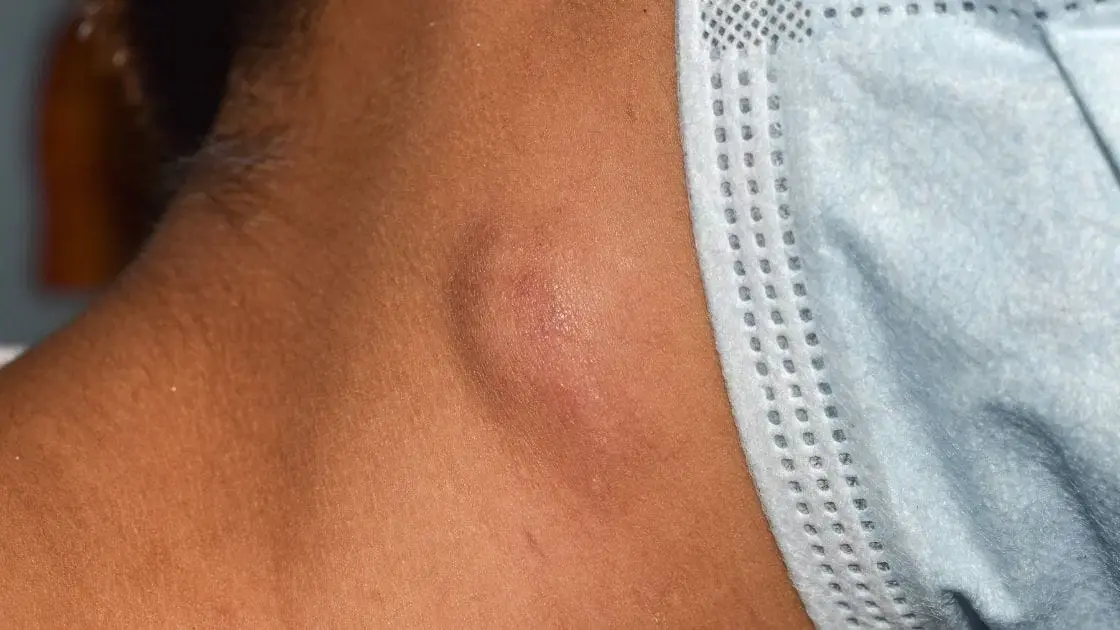
2. Ingrown Hair or Folliculitis
Hair follicles can become inflamed or infected, especially after shaving or sweating.
-
Small, red, sometimes painful bumps
-
May contain pus
3. Sebaceous (Epidermoid) Cyst
A benign, slow-growing lump under the skin caused by blocked oil glands.
-
Usually painless unless infected
-
Feels smooth and round
4. Lipoma
A harmless fatty lump under the skin.
-
Soft, rubbery, and movable
-
Typically painless and grows slowly
5. Boil (Furuncle)
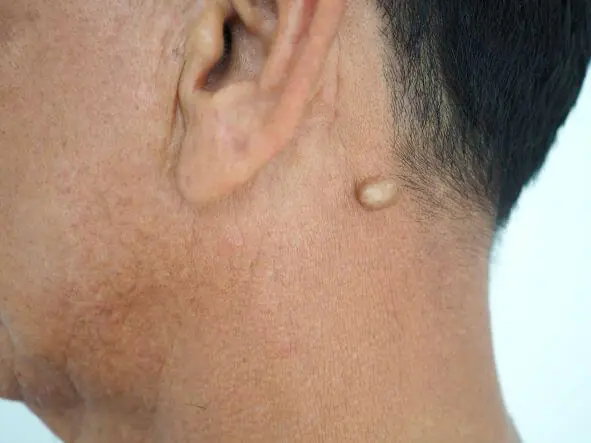
A deeper bacterial infection of a hair follicle.
-
Painful, swollen, and filled with pus
-
Skin around it may be red and warm
6. Muscle Knot or Tension Lump
Sometimes what feels like a lump is actually tight muscle tissue due to stress or poor posture.
-
Feels firm
-
May be associated with neck pain or stiffness
7. Skin Abscess
A more serious infection that forms a pocket of pus.
-
Very painful
-
May cause fever
-
Needs medical treatment
8. Less Common but Serious Causes
In rare cases, a lump could be linked to more serious conditions such as:
-
Tumors (benign or malignant)
-
Chronic infections
⚠️ When to See a Doctor
You should get it checked if the lump:
-
Persists longer than a few weeks
-
Grows quickly
-
Is very painful or hard
-
Doesn’t move under the skin
-
Is accompanied by fever, weight loss, or night sweats

✅ Bottom Line
Most lumps at the back of the neck hairline are harmless, often caused by infections, cysts, or irritation. However, monitoring changes is important. When in doubt, it’s always safest to consult a healthcare professional.