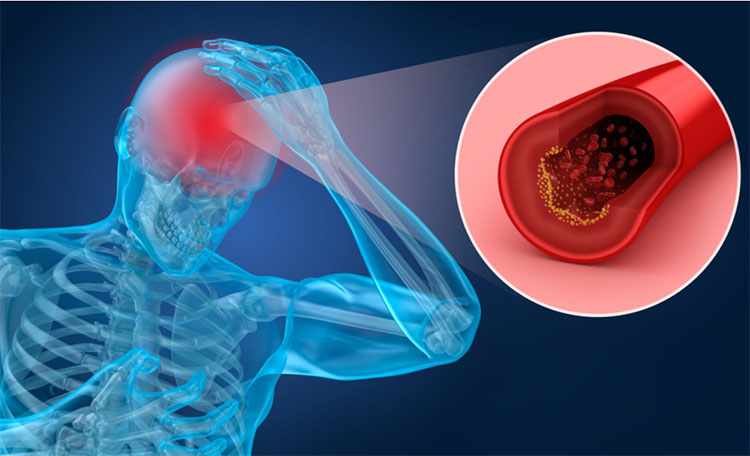
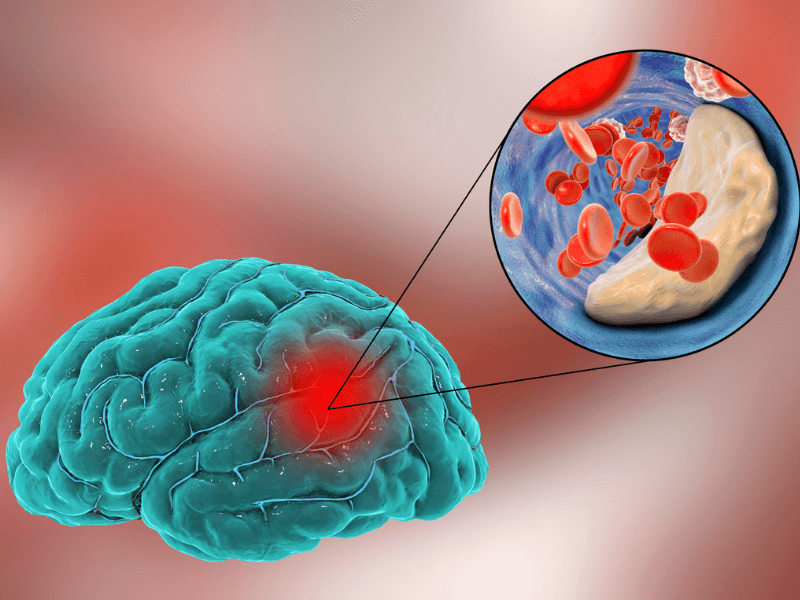
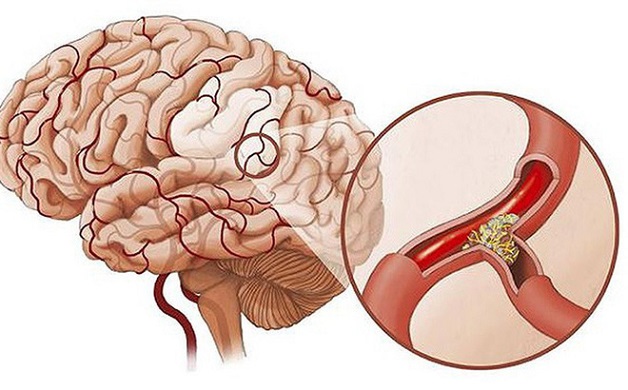
Cerebral ischemia occurs when blood flow to the brain is reduced or blocked, depriving brain cells of oxygen and essential nutrients. Even a short interruption can cause damage, and prolonged ischemia may lead to serious, life-threatening consequences.
Often associated with strokes or transient ischemic attacks (TIAs), cerebral ischemia is not just a one-time event—it can trigger a chain reaction of complications that affect both physical and cognitive health. Understanding these risks is essential for prevention, early detection, and long-term recovery.
Below are five dangerous complications of cerebral ischemia and practical ways to reduce your risk.
What Happens During Cerebral Ischemia?
The brain relies on a constant supply of oxygen-rich blood. When this supply is interrupted, brain cells begin to malfunction within minutes. If blood flow is not restored quickly, cells can die, leading to permanent damage.
The severity of the outcome depends on:
-
The duration of the blockage
-
The area of the brain affected
-
How quickly treatment is received
1. Stroke (Permanent Brain Damage)
One of the most serious consequences of cerebral ischemia is a full-blown stroke. This occurs when the lack of blood flow causes irreversible damage to brain tissue.
Effects may include:
-
Paralysis or weakness on one side of the body
-
Difficulty speaking or understanding language
-
Loss of coordination
Why it’s dangerous:
Stroke can lead to lifelong disability and significantly impact quality of life.
2. Cognitive Impairment
Reduced blood flow to the brain can affect memory, attention, and decision-making abilities.
Over time, individuals may experience:
-
Memory loss
-
Difficulty concentrating
-
Slower thinking
Long-term risk:
Repeated or prolonged ischemic events may contribute to vascular dementia.
3. Seizures
Brain damage caused by ischemia can disrupt normal electrical activity, leading to seizures.
Symptoms may include:
-
Sudden convulsions
-
Loss of awareness
-
Uncontrolled movements
Why it matters:
Seizures can occur shortly after the event or develop later as a chronic condition.
4. Speech and Communication Problems
If areas of the brain responsible for language are affected, individuals may have difficulty speaking or understanding others.
Common issues:
-
Slurred speech
-
Trouble finding words
-
Difficulty forming sentences
This can significantly impact daily communication and social interactions.
5. Emotional and Psychological Changes
Cerebral ischemia can also affect emotional regulation and mental health.
Possible effects include:
-
Depression
-
Anxiety
-
Mood swings
These changes may be due to both physical brain damage and the psychological impact of the condition.
How to Reduce the Risk
While cerebral ischemia can be serious, many risk factors are preventable or manageable. Taking proactive steps can significantly lower your chances of complications.
1. Manage Blood Pressure
High blood pressure is one of the leading causes of reduced blood flow to the brain.
What to do:
-
Monitor your blood pressure regularly
-
Follow a balanced, low-sodium diet
-
Take prescribed medications if needed
2. Maintain Healthy Cholesterol Levels
Excess cholesterol can lead to plaque buildup in arteries, restricting blood flow.
Tips:
-
Reduce intake of saturated fats
-
Increase consumption of fruits, vegetables, and whole grains
-
Stay physically active
3. Control Blood Sugar
Diabetes increases the risk of blood vessel damage and ischemic events.
What to do:
-
Monitor glucose levels
-
Follow a healthy diet
-
Stay consistent with medical treatment
4. Stay Physically Active
Regular exercise improves circulation and supports cardiovascular health.
Benefits include:
-
Better blood flow
-
Reduced risk of clot formation
-
Improved overall fitness
5. Avoid Smoking and Limit Alcohol
Smoking damages blood vessels and increases the risk of clots. Excessive alcohol can also contribute to high blood pressure and other risk factors.
Recognizing Early Warning Signs
Early detection can save lives. Seek immediate medical attention if you notice symptoms such as:
-
Sudden weakness or numbness
-
Difficulty speaking
-
Vision problems
-
Severe headache
These may be signs of a stroke or transient ischemic attack.
Final Thoughts
Cerebral ischemia is a serious condition that can lead to a range of dangerous complications, from physical disability to cognitive decline. However, many of these risks can be reduced through awareness, healthy lifestyle choices, and timely medical care.
Your brain is one of your most vital organs—and protecting it starts with understanding the warning signs and taking action before it’s too late.
Sometimes, prevention is not just about avoiding illness—it’s about preserving the quality of your life for years to come.