A good night’s sleep is essential for physical health, mental clarity, and overall well-being. Yet many people struggle with falling asleep or staying asleep without realizing that what they drink in the evening may be the hidden cause.
Certain beverages can interfere with your body’s natural sleep cycle, disrupt hormone production, or stimulate your nervous system at the wrong time. Even drinks that seem harmless - or even relaxing can negatively impact sleep quality.
If you often find yourself tossing and turning at night, waking up frequently, or feeling tired in the morning, it may be time to take a closer look at your nighttime habits.
Below are four types of beverages you should avoid before bed and why they can sabotage your sleep.
Why What You Drink Before Bed Matters
Sleep is regulated by a complex system involving hormones, brain activity, and body temperature. One of the key hormones involved is melatonin, which signals your body that it’s time to rest.
Certain substances—especially caffeine, sugar, and alcohol—can interfere with this process by:
-
Stimulating the brain
-
Increasing heart rate
-
Disrupting sleep cycles
-
Causing nighttime awakenings
Even small amounts can make a noticeable difference, particularly if consumed close to bedtime.
1. Coffee and Caffeinated Drinks
Coffee is one of the most common culprits when it comes to poor sleep. It contains caffeine, a stimulant that blocks adenosine—a chemical that promotes sleepiness.
Even if you don’t feel “wired,” caffeine can still affect your sleep behind the scenes.
How it disrupts sleep:
-
Delays the time it takes to fall asleep
-
Reduces deep sleep quality
-
Increases nighttime awakenings
Caffeine can stay in your system for several hours, meaning an afternoon or evening cup of coffee may still be affecting you at night.
Also includes:
-
Black and green tea
-
Energy drinks
-
Some soft drinks
2. Sugary Beverages
Drinks high in sugar—such as sodas, sweetened juices, and flavored drinks—can cause spikes and crashes in blood sugar levels.
This fluctuation can lead to:
-
Restlessness
-
Increased energy at the wrong time
-
Sudden awakenings during the night
In addition, high sugar intake has been linked to lighter, less restorative sleep.
Why it matters:
Even if sugary drinks make you feel temporarily relaxed, the effect may not last—and your sleep may suffer as a result.
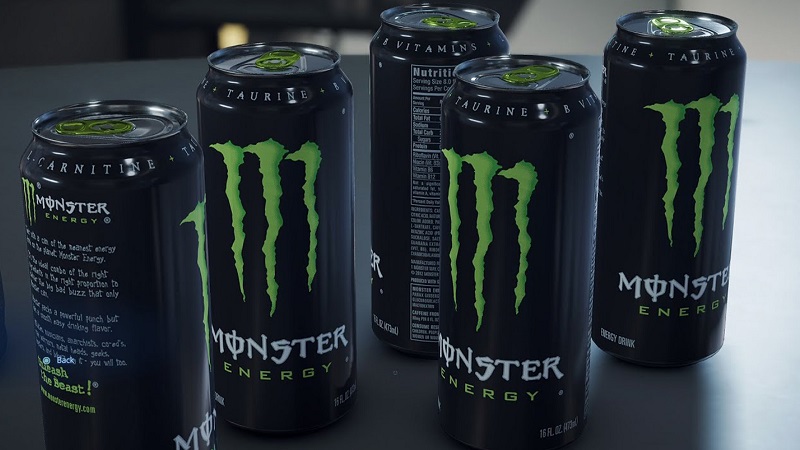
3. Energy Drinks
Energy drinks are particularly harmful before bedtime because they combine high levels of caffeine with sugar and other stimulants.
They are designed to increase alertness and performance—not to support relaxation.
Effects on sleep include:
-
Increased heart rate
-
Difficulty falling asleep
-
Reduced total sleep time
-
Lower sleep quality
For some individuals, even consuming energy drinks several hours before bed can significantly disrupt sleep patterns.

4. Alcohol
Many people believe that alcohol helps them sleep because it can make them feel drowsy. However, this effect is misleading.
While alcohol may help you fall asleep faster, it actually disrupts the deeper stages of sleep—particularly REM sleep, which is essential for mental and emotional recovery.
Negative effects include:
-
Fragmented sleep
-
Frequent awakenings
-
Reduced sleep quality
-
Morning fatigue
In addition, alcohol can worsen snoring and breathing issues during sleep.
What Happens When Sleep Is Disrupted?
Poor sleep doesn’t just leave you feeling tired—it can have long-term consequences for your health.
Chronic sleep disruption is linked to:
-
Reduced concentration and productivity
-
Mood changes and irritability
-
Weakened immune function
-
Increased risk of chronic conditions
This is why even small changes to your evening routine can have a significant impact.
Better Alternatives Before Bed
Instead of consuming stimulating or disruptive drinks, consider options that support relaxation and sleep:
-
Warm herbal teas (such as chamomile)
-
Warm milk
-
Plain water
-
Light, non-caffeinated beverages
These options can help your body wind down naturally without interfering with your sleep cycle.
Tips for Improving Your Sleep Routine
In addition to avoiding certain drinks, you can improve your sleep by:
-
Limiting caffeine intake after the afternoon
-
Reducing screen time before bed
-
Keeping a consistent sleep schedule
-
Creating a calm, dark sleeping environment
Small, consistent habits can lead to noticeable improvements over time.

Final Thoughts
The beverages you consume in the evening may seem harmless, but they can have a powerful effect on your ability to sleep well. Coffee, sugary drinks, energy drinks, and alcohol are among the most common disruptors—and avoiding them before bedtime can make a meaningful difference.
If you’re struggling with sleep, consider starting with this simple change. Sometimes, improving your rest doesn’t require a major lifestyle overhaul—just a few mindful adjustments to your daily habits.
Because better sleep doesn’t just happen by chance—it starts with the choices you make before your head hits the pillow.