Your mouth does more than help you eat and speak—it can also provide valuable clues about your overall health. From your lips and gums to your tongue and saliva, subtle changes may signal underlying issues that shouldn’t be ignored.
Many people overlook oral symptoms, assuming they are minor or temporary. However, health experts emphasize that your mouth can act as an early warning system for a variety of conditions, ranging from nutritional deficiencies to more serious diseases.
Here are some common signs to watch for—and what they might mean.
1. Persistent Mouth Sores
Occasional mouth ulcers are common and often harmless. They can result from stress, minor injuries, or certain foods. However, sores that last more than two weeks or repeatedly return may be a sign of a deeper issue.
Chronic mouth sores could be linked to immune system disorders, vitamin deficiencies, or, in rare cases, oral cancer. If a sore does not heal within a reasonable time, it’s important to seek medical advice.
2. White or Yellow Spots
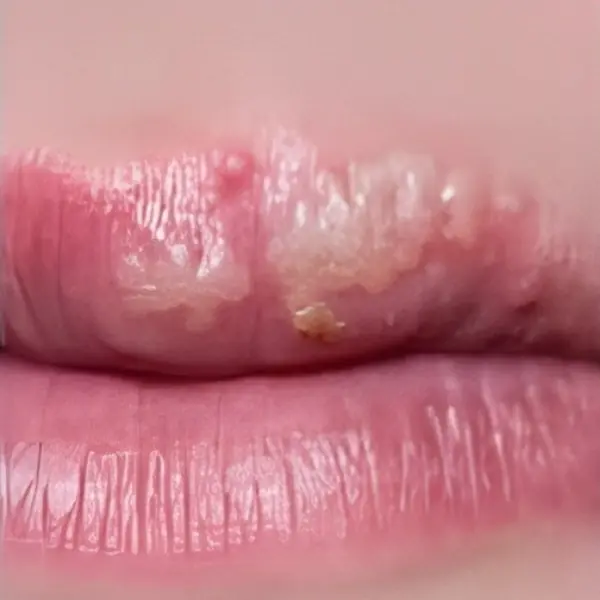
Small white or yellow patches in the mouth may indicate fungal infections such as oral thrush. This condition is more common in individuals with weakened immune systems or those taking certain medications like antibiotics.
In some cases, white patches that cannot be wiped away may be associated with precancerous conditions. While not all such spots are dangerous, they should be evaluated by a healthcare professional if they persist.
3. Cracked or Dry Tongue
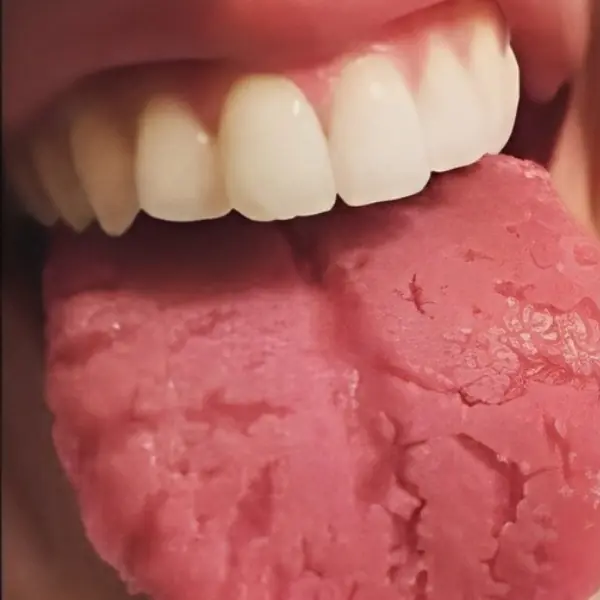
A dry, cracked tongue can be uncomfortable and may signal dehydration or poor oral hygiene. However, it can also indicate underlying health issues such as vitamin B deficiencies or certain autoimmune conditions.
Dry mouth, also known as xerostomia, reduces saliva production. Since saliva plays a key role in protecting teeth and gums, a lack of it can increase the risk of cavities and infections.
4. Bad Breath That Won’t Go Away
Persistent bad breath, or halitosis, is often caused by bacteria buildup in the mouth. However, if it continues despite good oral hygiene, it may be linked to other health problems.
These can include digestive disorders, sinus infections, or even conditions like diabetes. In some cases, unusual breath odors may serve as a clue that something is wrong internally.
5. Bleeding or Swollen Gums
Gums that bleed easily when brushing or flossing may be a sign of gingivitis, an early stage of gum disease. If left untreated, this can progress to periodontitis, which can damage the tissues and bones supporting the teeth.
Gum disease has also been linked to other health issues, including heart disease and diabetes. Maintaining good oral hygiene and regular dental check-ups is essential for prevention.
6. Changes in Taste or Texture
If you notice sudden changes in your sense of taste or unusual textures in your mouth, it may be worth paying attention. These symptoms can be caused by infections, medication side effects, or nutritional deficiencies.
In some cases, they may also indicate nerve-related issues or other underlying conditions.
The Connection Between Oral and Overall Health
The mouth is closely connected to the rest of the body. Bacteria and inflammation in the oral cavity can affect other systems, and vice versa.
This is why dentists and doctors often emphasize the importance of oral health as part of overall well-being. Regular dental visits not only keep your teeth clean but can also help detect early signs of systemic conditions.
When to See a Doctor
While not every symptom is a cause for alarm, it’s important to seek professional advice if you experience:
-
Sores that don’t heal
-
Persistent pain or discomfort
-
Unusual patches or discoloration
-
Chronic bad breath
-
Ongoing dryness or swelling
Early detection can make a significant difference in treatment outcomes.
Final Thoughts
Your mouth is more than just a part of your digestive system—it’s a window into your overall health. By paying attention to changes and seeking timely care, you can catch potential problems early and protect your well-being.
Simple habits like brushing, flossing, staying hydrated, and scheduling regular check-ups can go a long way in keeping both your mouth and your body healthy.