The liver is one of the most important organs in the human body. It plays a central role in detoxifying harmful substances, producing essential proteins, regulating metabolism, and supporting digestion. Despite its vital functions, liver disease often develops silently, with symptoms appearing only when the condition has progressed to a more serious stage.
Because early signs can be subtle or easily overlooked, it is crucial to recognize the warning signals that may indicate severe liver problems. Identifying these symptoms early can help prevent complications and allow for timely medical intervention.
Below are 7 important signs that your liver condition may be severe and require immediate medical attention.
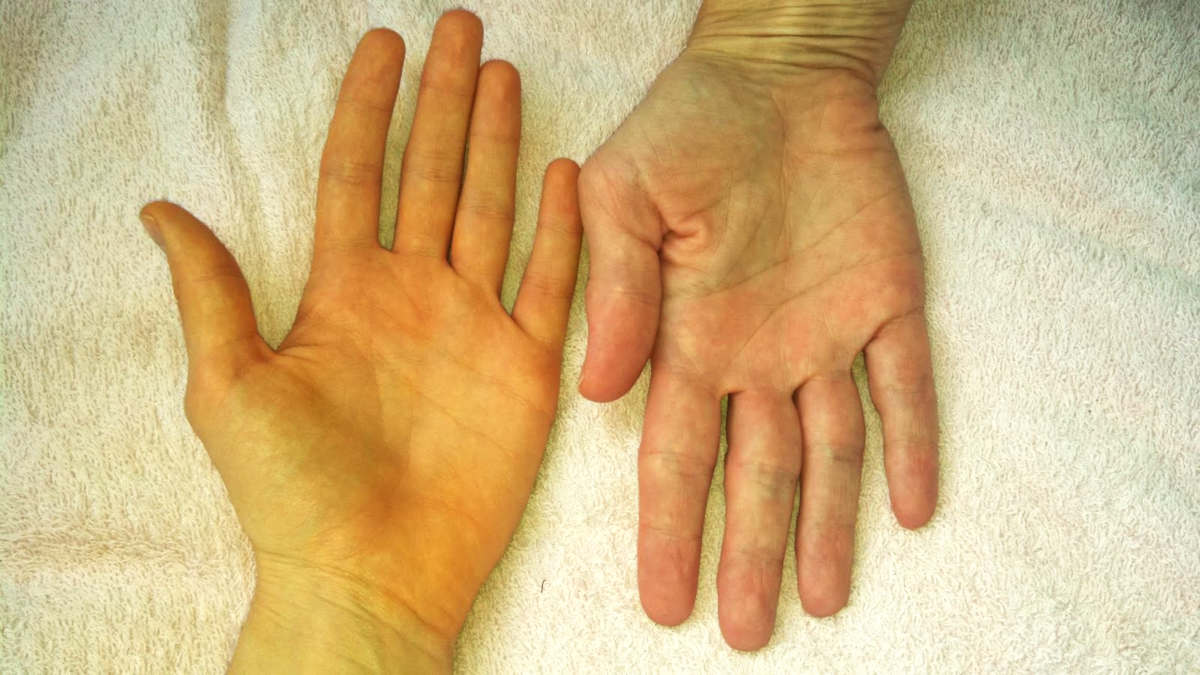
1. Yellowing of the Skin and Eyes (Jaundice)
One of the most recognizable signs of serious liver issues is jaundice, which causes the skin and the whites of the eyes to turn yellow.
This occurs when the liver is unable to properly process bilirubin, a yellow pigment produced during the breakdown of red blood cells. When bilirubin builds up in the bloodstream, it leads to visible discoloration.
Jaundice often indicates that the liver is under significant stress or damage and should not be ignored.
2. Persistent Fatigue and Weakness
Feeling tired occasionally is normal, but constant fatigue without a clear cause may signal liver dysfunction.
When the liver is not working efficiently, the body may struggle to process nutrients and remove toxins. This can lead to a general feeling of weakness, low energy, and difficulty concentrating.
Persistent fatigue that does not improve with rest may require medical evaluation.
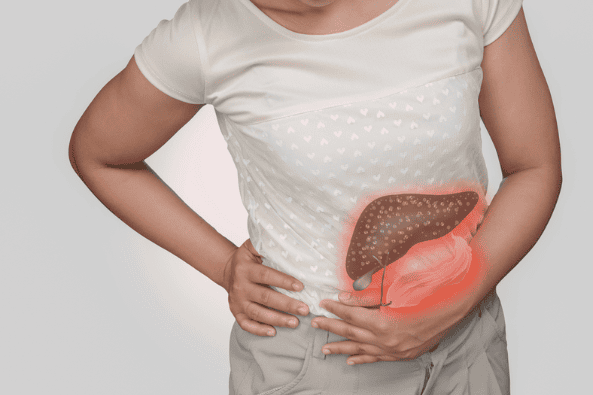
3. Abdominal Pain and Swelling
Pain or discomfort in the upper right side of the abdomen—where the liver is located—can be a warning sign.
In more advanced cases, fluid may accumulate in the abdomen, a condition known as ascites, leading to noticeable swelling.
Symptoms may include:
-
A feeling of fullness or pressure
-
Visible abdominal enlargement
-
Discomfort when moving or breathing
These signs suggest that liver function may be significantly impaired.
4. Dark Urine and Pale Stool
Changes in the color of urine and stool can provide important clues about liver health.
-
Dark urine may indicate excess bilirubin in the body
-
Pale or clay-colored stool may suggest that bile is not being properly released into the digestive system
These changes often occur when the liver or bile ducts are not functioning correctly.
5. Easy Bruising and Bleeding
The liver produces proteins that are essential for blood clotting. When liver function declines, the body may have difficulty forming clots.
As a result, individuals may notice:
-
Frequent bruising
-
Bleeding that takes longer to stop
-
Nosebleeds or bleeding gums
These symptoms may indicate that the liver is no longer producing enough clotting factors.
6. Nausea and Loss of Appetite
Digestive symptoms are also common in liver disease.
People with severe liver conditions may experience:
-
Persistent nausea
-
Loss of appetite
-
Unexplained weight loss
When the liver is not functioning properly, it can affect the digestive system and reduce the body’s ability to process food efficiently.
7. Itchy Skin (Pruritus)
Chronic itching without an obvious cause may be linked to liver problems.
This occurs when bile salts accumulate in the bloodstream due to impaired liver function. These substances can irritate the skin, leading to persistent itching.
Unlike typical itching caused by dry skin or allergies, this type may not improve with standard treatments.
Why You Should Not Ignore These Signs
Liver disease often progresses quietly, and symptoms may only become noticeable when the condition is already advanced. Ignoring warning signs can lead to serious complications, including liver failure.
Early diagnosis allows healthcare providers to:
-
Identify the underlying cause
-
Slow or prevent further damage
-
Recommend appropriate treatments
-
Improve long-term outcomes
Seeking medical attention at the right time can make a significant difference.
Supporting Liver Health
While medical care is essential for treating liver disease, certain lifestyle habits can help support liver function:
-
Maintaining a balanced diet
-
Limiting alcohol consumption
-
Staying physically active
-
Avoiding unnecessary medications
-
Managing body weight
These habits can help reduce stress on the liver and promote overall health.
Final Thoughts
The liver plays a critical role in keeping the body healthy, but it often does not show obvious symptoms until problems become serious. Recognizing warning signs such as jaundice, fatigue, abdominal swelling, changes in urine or stool, easy bruising, nausea, and persistent itching is essential for early detection.
If any of these symptoms appear, seeking medical advice promptly is the safest course of action. Early intervention can help protect liver function and improve overall well-being.
Taking care of the liver is not only important for digestion and detoxification - it is essential for maintaining the body’s balance and long-term health.