What Happens to Your Body When You Eat Guava? Doctors Explain
Guava is a tropical fruit known for its sweet flavor, fragrant aroma, and impressive nutritional profile. While it may not be as popular as apples or bananas in some regions, doctors and nutrition experts increasingly recognize guava as a powerful addition to a healthy diet.
So what actually happens to your body when you eat guava regularly?
A Nutrient-Dense Tropical Fruit
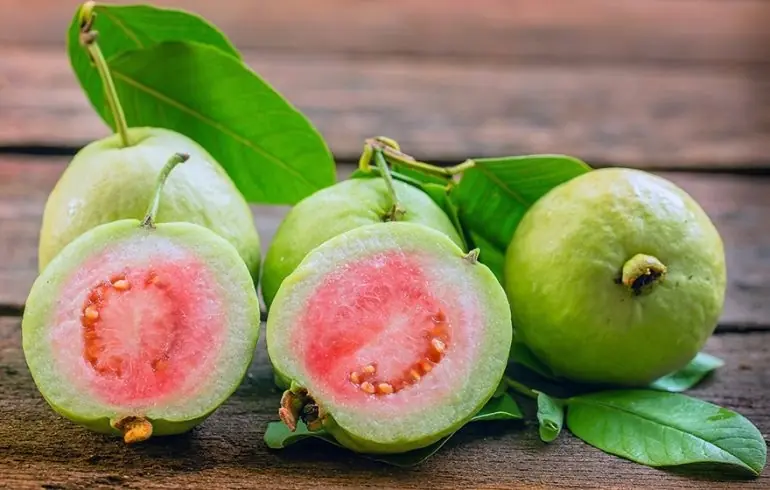
Guava is packed with essential nutrients while being relatively low in calories. It is especially rich in:
-
Vitamin C
-
Fiber
-
Potassium
-
Antioxidants
According to the U.S. Department of Agriculture (USDA), guava contains significantly more vitamin C than many common fruits, making it a standout choice for immune support.
1. Boosts Your Immune System
One of guava’s most impressive benefits is its extremely high vitamin C content.
Vitamin C helps:
-
Strengthen immune defenses
-
Protect cells from oxidative stress
-
Support faster recovery from illness
Experts from Harvard T.H. Chan School of Public Health note that vitamin C plays a key role in maintaining overall immune function.
2. Improves Digestive Health

Guava is an excellent source of dietary fiber, which is essential for a healthy digestive system.
Eating guava may help:
-
Promote regular bowel movements
-
Prevent constipation
-
Support beneficial gut bacteria
In traditional medicine, guava has long been used to support digestion naturally.
3. Supports Heart Health
Guava contains potassium and antioxidants that may contribute to cardiovascular health.
Research referenced by the American Heart Association suggests that potassium-rich foods can help:
-
Regulate blood pressure
-
Reduce the risk of heart disease
-
Support healthy blood vessels
Additionally, antioxidants in guava may help reduce inflammation linked to heart conditions.
4. Helps Manage Blood Sugar Levels
Despite its sweet taste, guava has a relatively low glycemic index compared to many fruits.
Some studies suggest that guava leaf extract may help:
-
Improve blood sugar control
-
Reduce insulin resistance
This makes guava a potentially beneficial fruit for people managing blood sugar levels, when eaten in moderation.
5. Promotes Healthy Skin
Guava is rich in antioxidants like vitamin C and lycopene, which are known to support skin health.
These nutrients may:
-
Reduce signs of aging
-
Protect against sun damage
-
Improve skin texture
Some skincare products even use guava extracts for their protective properties.
6. May Support Weight Management

Because guava is high in fiber and low in calories, it can help you feel full longer.
This may:
-
Reduce unnecessary snacking
-
Support calorie control
-
Aid in maintaining a healthy weight
Doctors often recommend high-fiber fruits like guava as part of a balanced diet.
How to Eat Guava
Guava is versatile and easy to include in your daily routine:
-
Eat it fresh, with or without the skin
-
Add it to smoothies or fruit salads
-
Slice it into yogurt or oatmeal
-
Drink guava juice (preferably without added sugar)
The seeds are edible, but people with sensitive digestion may prefer to avoid eating too many at once.
A Word of Caution
While guava is generally safe and healthy, there are a few things to consider:
-
Eating too much fiber at once may cause bloating
-
People with certain digestive conditions should moderate intake
-
Always wash the fruit thoroughly before eating
As with any food, balance is key.
The Bottom Line
Eating guava regularly can provide a wide range of health benefits—from boosting immunity and improving digestion to supporting heart health and glowing skin.
While it’s not a miracle cure, guava is a simple, affordable, and delicious way to enhance your overall well-being.
Sources
-
U.S. Department of Agriculture (USDA) – Guava Nutritional Data
-
Harvard T.H. Chan School of Public Health – Vitamin C and Health
-
American Heart Association – Potassium and Heart Health