Wearing Socks to Bed? You’ll Be Surprised What Happens
What looks like a minor bedtime preference may actually have a meaningful impact on how well you sleep.
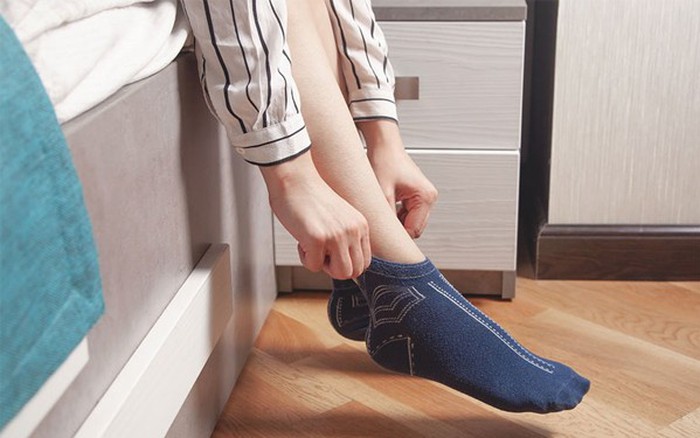
Sleep is far more than just rest. It is a carefully regulated biological process controlled by your brain, hormones, and nervous system. One of the key triggers for sleep is a drop in core body temperature. As night approaches, your body naturally cools down, signaling to your brain that it is time to wind down. Disrupt this process, and falling asleep becomes harder. Support it, and sleep often comes more easily.
This is where socks quietly make a difference. When you wear socks to bed, your feet warm up. That warmth causes vasodilation, a process where blood vessels expand. As blood flow increases in the feet, heat is released more efficiently from the body’s core. Your core temperature drops faster, which helps trigger the body’s natural sleep response.
Scientific research supports this effect. Studies have shown that people who wear socks to bed often fall asleep faster, sometimes by as much as 10 to 15 minutes. For someone who struggles with insomnia, anxiety, or an overactive mind at night, those minutes are incredibly valuable. Falling asleep faster reduces frustration, which in turn reduces stress, creating a healthier sleep cycle overall.
But the benefits do not stop at falling asleep. Wearing socks may also improve sleep continuity, meaning fewer awakenings during the night. When your body temperature stays stable, it is less likely to wake itself up to self-correct. This leads to longer periods of deep sleep, the stage where the body repairs tissues, strengthens the immune system, and consolidates memory.
Cold feet are a surprisingly common sleep disruptor. Even if the rest of your body feels comfortable, cold feet can keep your nervous system slightly alert. This is because discomfort signals the brain to stay attentive. Warm feet signal safety and relaxation, allowing your body to fully let go. For people who live in colder climates or use air conditioning at night, socks can act as a simple thermal balance.
There is also a circulation angle to consider. Poor circulation can make feet feel cold, especially for people who sit for long periods during the day or have conditions that affect blood flow. Wearing socks helps maintain consistent warmth, which supports healthier peripheral circulation. Over time, this can reduce nighttime discomfort and restlessness.
Better sleep also has a cascading effect on hormones. High-quality sleep supports balanced levels of melatonin, the hormone responsible for regulating sleep, and cortisol, the stress hormone. When sleep improves, stress levels tend to decrease, mood stabilizes, and energy levels rise. One small habit can quietly improve your entire day.
However, wearing socks to bed is not about just any socks. The wrong socks can do more harm than good. Tight socks can restrict blood flow, counteracting the very benefits you are seeking. Thick, non-breathable materials may cause overheating or sweating, which can wake you up later in the night. The best choice is loose-fitting socks made from breathable materials such as cotton, bamboo, or merino wool.
Hygiene is equally important. Wearing socks that have been used all day traps moisture and bacteria against the skin. Clean socks are essential if this habit is going to support health rather than compromise it. Some people even keep a special pair of “sleep socks” reserved only for bedtime, reinforcing a clean and calming routine.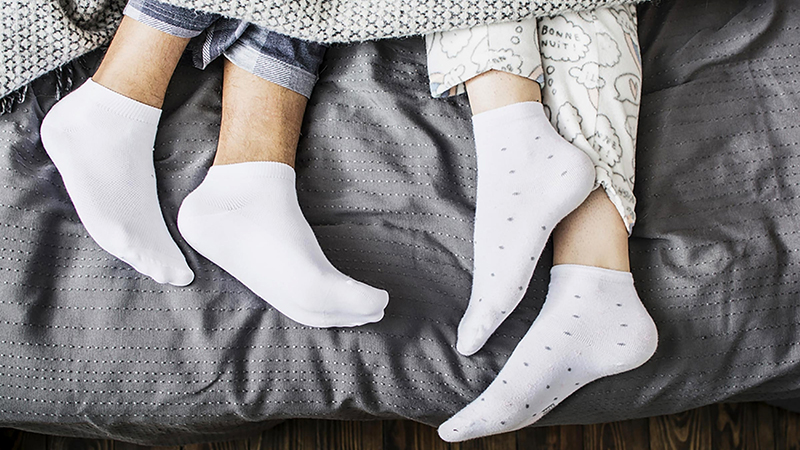
Of course, comfort is deeply personal. Not everyone enjoys the sensation of socks while sleeping. For some, it may feel restrictive or distracting. Sleep habits should always support relaxation, not force it. If socks make you uncomfortable, they are not the right solution for you.
Still, for those who struggle with cold feet, difficulty falling asleep, or frequent nighttime waking, this is a low-effort habit worth trying. It costs nothing, involves no medication, and carries virtually no risk when done properly. Few sleep improvements are this simple and accessible.
In a world full of expensive sleep trackers, supplements, and high-tech mattresses, it is easy to overlook basic solutions. Yet sometimes, the body responds best to small, thoughtful adjustments. Wearing socks to bed may seem ordinary, but its effects can be surprisingly powerful.
So the next time you slide under the covers and feel that familiar chill creeping into your feet, consider giving socks a chance. You may find yourself drifting off faster, sleeping deeper, and waking up more refreshed. Sometimes, better sleep is not about doing more — it is about doing something small, consistently, and well.