ou Won’t Believe What a Slice of Papaya Can Do for Your Body
Papaya is a tropical fruit loved for its sweet taste and vibrant color. But beyond its delicious flavor, even a single slice of papaya can provide surprising health benefits. Rich in vitamins, enzymes, and antioxidants, this fruit can support your body in more ways than you might expect.
So what actually happens when you eat papaya regularly?
A Nutritional Powerhouse
Papaya (scientifically known as Carica papaya) is low in calories but packed with essential nutrients, including:
-
Vitamin C
-
Vitamin A
-
Folate
-
Fiber
-
Potassium
According to the U.S. Department of Agriculture (USDA), papaya is especially rich in vitamin C, providing more than 90% of your daily needs in just one cup.
1. Boosts Digestion Naturally
One of papaya’s most well-known benefits is its ability to support digestion. It contains an enzyme called papain, which helps break down proteins and makes food easier to digest.
Research cited by the National Institutes of Health suggests that digestive enzymes like papain may help reduce:
-
Bloating
-
Constipation
-
Indigestion
This makes papaya a popular natural remedy for digestive discomfort.
2. Strengthens Your Immune System
Papaya is loaded with vitamin C and antioxidants, both of which play a key role in immune function.
According to Harvard T.H. Chan School of Public Health, vitamin C helps:
-
Support immune cell function
-
Protect against oxidative stress
-
Reduce inflammation
Even a small serving of papaya can help your body fight off infections more effectively.
3. Supports Heart Health
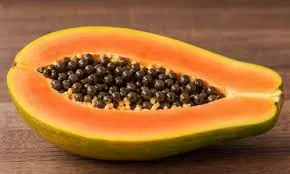
Papaya contains fiber, potassium, and antioxidants that may contribute to heart health.
Studies referenced by the American Heart Association indicate that diets rich in fruits like papaya may help:
-
Lower blood pressure
-
Reduce cholesterol levels
-
Improve overall cardiovascular health
The antioxidants in papaya may also help prevent oxidative damage to blood vessels.
4. Promotes Healthy Skin
Papaya is often called a “beauty fruit” for a reason. Its high levels of vitamin C and beta-carotene help support skin health.
These nutrients may:
-
Improve skin elasticity
-
Reduce signs of aging
-
Promote a natural glow
Papain is also used in skincare for its gentle exfoliating properties.
5. May Reduce Inflammation
Chronic inflammation is linked to many diseases, including heart disease and arthritis.
Papaya contains antioxidants like lycopene and beta-carotene, which may help reduce inflammatory responses in the body.
According to research from the National Institutes of Health, antioxidant-rich foods can play a role in lowering inflammation over time.
6. Supports Eye Health
Papaya is rich in vitamin A and carotenoids, which are essential for maintaining healthy vision.
Regular consumption may help:
-
Protect against age-related vision decline
-
Support overall eye function
This is especially important in long-term eye health.
How to Enjoy Papaya Daily
Adding papaya to your routine is simple and delicious:
-
Eat it fresh as a snack
-
Add slices to smoothies
-
Mix into fruit salads
-
Pair with yogurt or oatmeal
Even one slice a day can be a refreshing and nutritious habit.
A Word of Caution
While papaya is generally safe, there are a few things to keep in mind:
-
Unripe papaya contains latex, which may cause irritation for some people
-
People with latex allergies should be cautious
-
Moderation is key, as excessive intake may cause digestive issues
The Bottom Line
A single slice of papaya may seem small, but it delivers a powerful combination of nutrients that support digestion, immunity, heart health, and more.
While it’s not a miracle cure, adding papaya to your daily diet is a simple and natural way to boost your overall health.
Sources
-
U.S. Department of Agriculture (USDA) – Papaya Nutritional Data
-
Harvard T.H. Chan School of Public Health – Vitamin C and Health
-
American Heart Association – Fruits and Heart Health
-
National Institutes of Health – Antioxidants and Digestive Enzymes