What Aloe Vera Does to Your Body: Why the Egyptians Called It the Plant of Immortality
For thousands of years, aloe vera has been praised as a miracle plant. Ancient Egyptians even referred to it as the “plant of immortality,” valuing it so highly that it was used in beauty rituals, medicine, and even burial traditions. But what exactly makes aloe vera so special—and does it really live up to the hype?
Let’s take a closer look at what aloe vera does to your body and why it earned such a legendary reputation.
A Brief Look Back in History
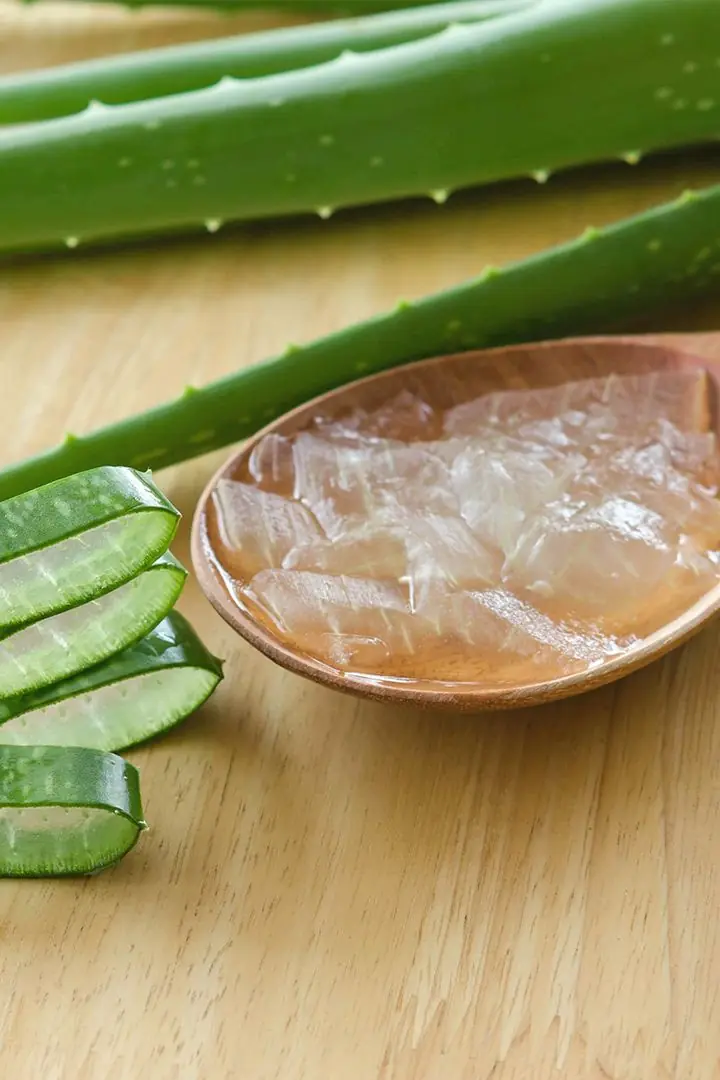
In ancient Egypt, aloe vera was associated with beauty, healing, and eternal life. Historical accounts suggest that figures like Cleopatra used aloe vera gel as part of their skincare routine to maintain soft, radiant skin. It was also used in embalming practices, which likely contributed to its nickname linked to immortality.
1. Soothes and Heals Your Skin
Aloe vera is best known for its ability to calm irritated skin. Whether it’s sunburn, minor cuts, or dryness, the gel inside its leaves has cooling and anti-inflammatory properties.
It helps:
-
Reduce redness and irritation
-
Speed up wound healing
-
Moisturize without clogging pores
That’s why you’ll often find aloe vera in lotions, after-sun products, and natural remedies.
2. Supports Digestive Health
When consumed in small, controlled amounts (usually as aloe juice), aloe vera may help soothe the digestive tract. It has been traditionally used to:
-
Ease constipation
-
Reduce stomach discomfort
-
Support gut health
However, it’s important not to overuse it, as excessive consumption can have the opposite effect.
3. Packed with Antioxidants
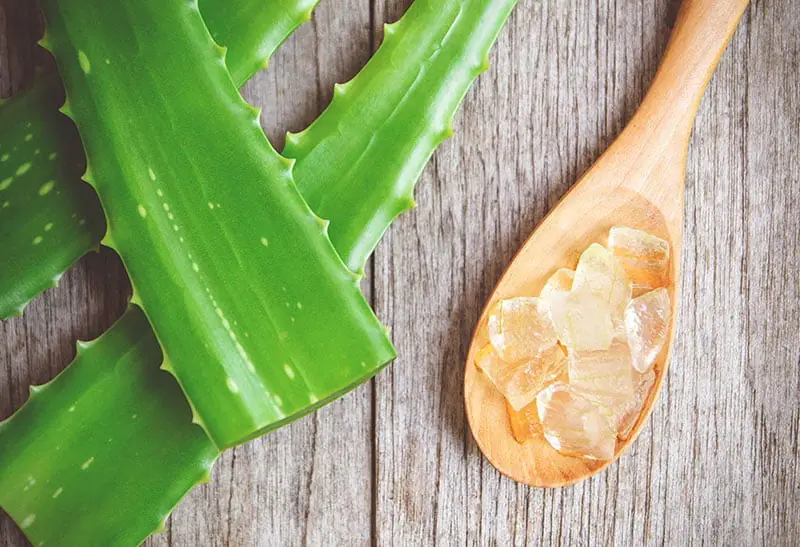
Aloe vera contains antioxidants that help fight free radicals—unstable molecules that can damage cells over time. These antioxidants may support overall health and play a role in slowing down signs of aging.
4. Boosts Hydration
Aloe vera gel is made up of about 99% water, making it excellent for hydration—both when applied to the skin and, in some cases, when consumed properly.
Hydrated skin looks smoother, healthier, and more youthful, which may explain why ancient civilizations valued it so highly.
5. May Support Immune Function
Some compounds in aloe vera are believed to have antibacterial and antiviral properties. While it’s not a cure-all, it may help your body defend itself against certain harmful microorganisms.
6. Helps with Oral Health
Aloe vera is sometimes used in natural toothpaste and mouthwash. It may help:
-
Reduce plaque buildup
-
Soothe gum inflammation
-
Fight bacteria in the mouth
7. Promotes Hair and Scalp Health
Applied to the scalp, aloe vera can:
-
Reduce dandruff
-
Soothe itchiness
-
Strengthen hair strands
It’s a common ingredient in shampoos and hair masks for this reason.
Why “The Plant of Immortality”?
The Egyptians didn’t literally believe aloe vera would make you live forever. Instead, they recognized its wide range of healing and protective properties. From skincare to preservation practices, aloe vera symbolized vitality, renewal, and long-lasting health.
Its versatility—and the visible benefits it provided—made it seem almost magical in a time without modern medicine.
A Word of Caution
While aloe vera has many benefits, it’s not risk-free:
-
Consuming too much can cause digestive issues
-
Some people may have allergic reactions
-
Not all aloe products are safe for internal use
Always use it in moderation and choose high-quality, properly processed products.
The Bottom Line
Aloe vera has earned its legendary status for a reason. From soothing your skin to supporting digestion and hydration, it offers a wide range of benefits that have stood the test of time.
No, it won’t grant immortality—but it might just make you feel a little healthier, inside and out.