The human body often sends subtle signals when something isn’t functioning properly. While many people pay attention to symptoms that appear during the day, nighttime changes can sometimes reveal even more about your internal health.
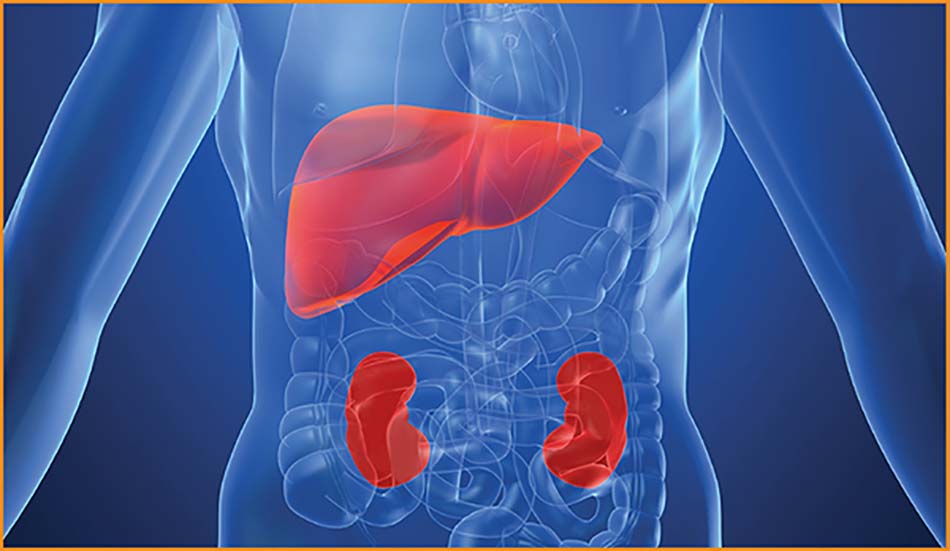
In particular, the liver and kidneys—two vital organs responsible for detoxification, metabolism, and fluid balance - can show early warning signs when they are under stress. Unfortunately, these signs are often overlooked because they seem mild or are mistaken for normal discomfort.
Below are two important nighttime symptoms that may be linked to liver or kidney issues, along with an explanation of why they occur and when to take them seriously.
Why Nighttime Symptoms Matter
At night, your body enters a restorative phase. Organs like the liver and kidneys work actively to process toxins, regulate fluids, and maintain internal balance.
Because of these processes:
-
Certain symptoms become more noticeable at night
-
Discomfort may feel stronger when the body is at rest
-
Early warning signs may appear before daytime symptoms develop
Paying attention to these signals can help detect potential problems earlier.
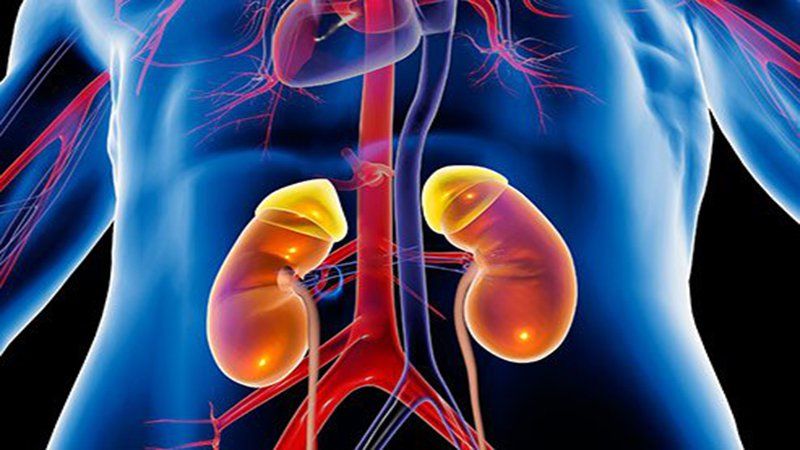
1. Frequent Nighttime Urination
Waking up multiple times during the night to urinate—known as nocturia—is one of the most common signs associated with kidney function.
Why it happens
Healthy kidneys regulate fluid balance and filter waste efficiently. When kidney function is impaired, this process may become less effective, leading to increased urine production at night.
Other contributing factors may include:
-
Changes in hormone levels that regulate fluid retention
-
Reduced ability of the kidneys to concentrate urine
-
Fluid redistribution when lying down
What to watch for
-
Waking up two or more times every night to urinate
-
Producing large amounts of urine
-
Difficulty returning to sleep afterward
When to be concerned
Occasional nighttime urination is normal, especially after drinking fluids before bed. However, if it becomes frequent or persistent, it may indicate:
-
Early kidney dysfunction
-
Urinary tract issues
-
Other metabolic concerns
2. Persistent Itching or Discomfort at Night
Unexplained itching—especially when it worsens at night—can sometimes be linked to liver or kidney problems.
Why it happens
Both the liver and kidneys help remove waste products from the body. When they are not functioning properly, certain substances can accumulate in the bloodstream.
This buildup may trigger:
-
Skin irritation
-
Persistent itching (without a visible rash)
In liver-related conditions, bile salts may accumulate, while kidney issues can lead to increased levels of waste products in the blood.
What to watch for
-
Itching that intensifies at night
-
No clear cause (such as allergies or skin conditions)
-
Discomfort that disrupts sleep
When to be concerned
If itching is persistent and unexplained, especially when combined with other symptoms like fatigue or changes in skin color, it should be evaluated by a healthcare professional.
Other Symptoms That May Appear Alongside
While these two signs are important, they are often accompanied by additional symptoms that provide more context.
Possible liver-related signs:
-
Yellowing of the skin or eyes (jaundice)
-
Fatigue
-
Loss of appetite
Possible kidney-related signs:
-
Swelling in the legs or ankles
-
Changes in urine color or frequency
-
High blood pressure
Recognizing patterns rather than isolated symptoms is key.
Why These Signs Are Often Ignored
Many people dismiss nighttime symptoms because they:
-
Seem minor or temporary
-
Are attributed to aging, stress, or hydration habits
-
Do not cause immediate pain
However, early-stage liver or kidney issues often develop silently. By the time more obvious symptoms appear, the condition may have progressed.
How to Reduce Your Risk
Protecting your liver and kidneys involves consistent, everyday habits:
1. Stay Hydrated
Proper hydration supports kidney function and helps flush out toxins.
2. Maintain a Balanced Diet
Reduce processed foods, excess salt, and unhealthy fats. Include fruits, vegetables, and whole foods.
3. Limit Alcohol Consumption
Excessive alcohol can strain the liver over time.
4. Monitor Medications
Certain medications can affect liver and kidney health if overused.
5. Regular Health Check-Ups
Routine tests can detect changes in organ function before symptoms worsen.
When to Seek Medical Advice
You should consider consulting a healthcare professional if:
-
Nighttime urination becomes frequent and persistent
-
Itching disrupts your sleep regularly
-
You notice additional symptoms affecting your overall health
Early evaluation can lead to better outcomes and prevent complications.

Final Thoughts
The body has a way of communicating when something is not right - but these signals are often subtle. Nighttime symptoms, in particular, can provide valuable insight into your internal health.
Frequent urination and persistent itching may seem minor, but they can sometimes point to underlying liver or kidney concerns. Paying attention to these signs and acting on them early - can make a meaningful difference in protecting your long-term health.
Sometimes, what happens while you sleep may be your body’s quiet way of asking for attention.