Why You Might Think Twice About Seedless Watermelons — And What Science Really Says
Watermelon is one of the most beloved summer fruits, refreshing and hydrating with a sweet flavor that makes it perfect for hot weather. But the rise of seedless watermelons has sparked debate: some people argue they should be avoided or questioned, while others point out they’re a harmless convenience. Let’s break down the facts.
1. The Nutrient Argument: You Lose the Seeds
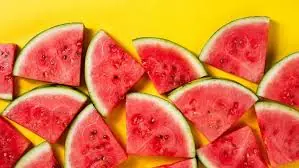
One of the main criticisms of seedless watermelons is that by removing or minimizing seeds, you miss out on the nutrients seeds contain. Full seeds in traditional watermelons are rich in protein, healthy fats, magnesium, iron, zinc, and B vitamins — nutrients that many people discard by eating only the fruit flesh.
Seedless varieties, however, offer mostly the juicy flesh and small white seed coats that are technically undeveloped and contribute very little nutrition themselves.
2. How Seedless Watermelons Are Created
Unlike some rumors suggest, seedless watermelons are not genetically modified organisms (GMOs) in the lab‑engineered sense. Their seedlessness comes from traditional plant breeding techniques that produce a triploid plant — one with three sets of chromosomes — which can’t develop mature seeds.
This process is a form of hybridization rather than modern genetic engineering, and it’s been used in agriculture for decades.
3. Taste and Texture: Does It Really Matter?
Some watermelon lovers believe seeded watermelons have a richer or more complex flavor than their seedless counterparts — suggesting that seeds contribute indirectly to how the fruit matures and tastes.
However, taste is subjective, and many people prefer seedless melons simply because they’re easier and less messy to eat. There’s no strong scientific evidence that seedless varieties are inherently less tasty — it often comes down to personal preference.
4. Environmental Considerations
Critics point out that producing seedless watermelons can be more resource‑intensive than traditional varieties. Because the plants are sterile, growers often need to plant pollinizers and manage them carefully, which may use more water and agricultural inputs.
That said, watermelon farming in general — seeded or seedless — depends on many factors like climate, soil, and agricultural practices, so environmental impact varies widely.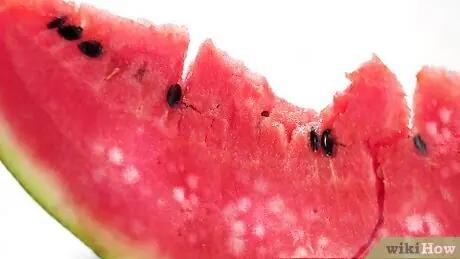
5. What Science Says About Health and Safety
Multiple nutrition sources confirm that both seedless and seeded watermelons provide very similar overall nutritional value in terms of vitamins, hydration, and antioxidants like lycopene. They are low in calories and high in water content, making them a healthy choice regardless of seed presence.
And importantly, seedless watermelons are safe to eat and not poisonous, despite some myths circulating online. Their creation doesn’t involve splicing foreign DNA, and they’re not considered genetically modified in the conventional sense.
So Should You Avoid Seedless Watermelons?
Not necessarily.
-
If you enjoy convenience and a no‑seed eating experience, seedless watermelons are perfectly fine and nutritious.
-
If you want extra nutrients from seeds or prefer heirloom varieties for flavor or tradition, seeded melons are a great choice too.
-
And if you’re curious about food sustainability, choosing produce from trusted sources (organic or local farms) matters more than whether the watermelon has seeds.
Ultimately, both types of watermelon are healthy, hydrating fruits that can be part of a balanced diet — it’s just a matter of your personal preference and how you value the pros and cons.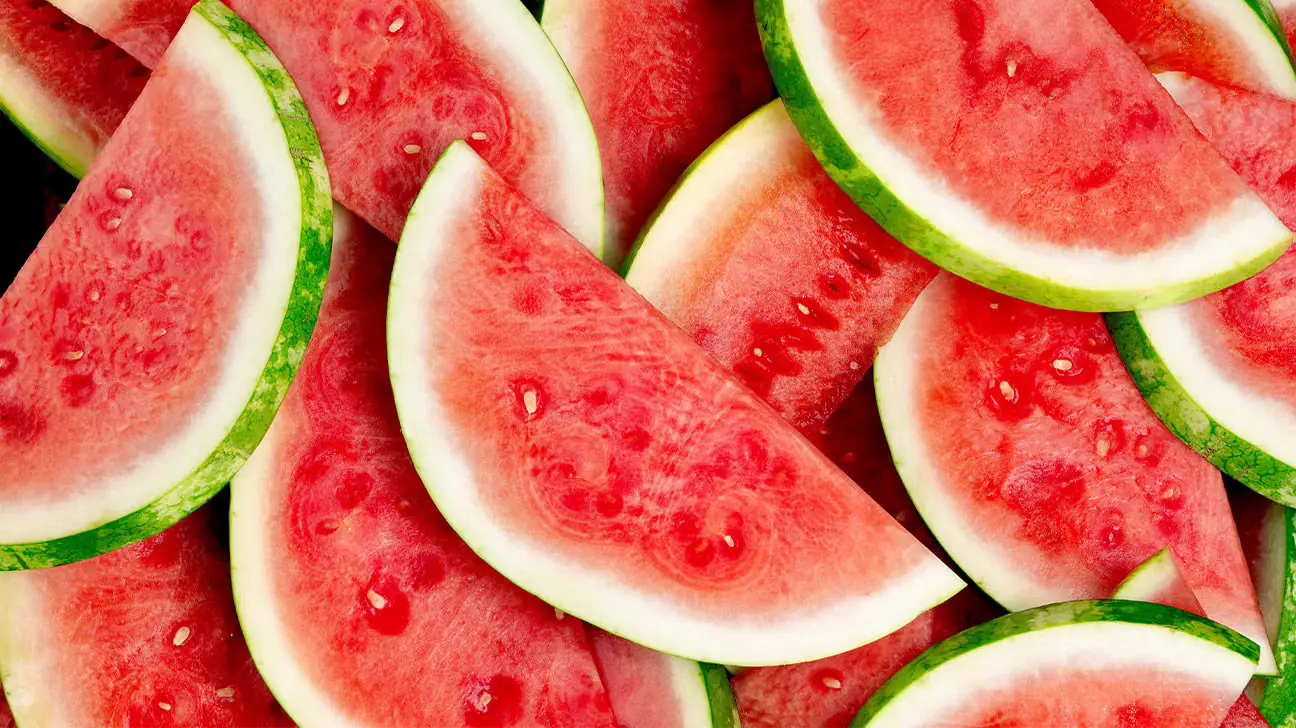
Sources:
Cookist — Why You Should Never Eat Seedless Watermelons (opinion piece)
Watermelon.org — Facts & FAQs about Seedless Watermelons
LiveScience — Seedless watermelon genetics explained
Biology Insights — Science behind seedless watermelons
THIP Media — Are seedless watermelons poisonous or GMO?
ETprotein — Nutrition and health benefits of watermelon