Most people don’t pay much attention to their feet—until something starts to feel wrong. Yet your feet can reveal early clues about your overall health long before more serious symptoms appear. Because they are farthest from the heart and heavily reliant on blood circulation and nerve function, even subtle changes in the feet can signal underlying medical conditions.
Understanding these small warning signs can help you detect potential problems early and take action before they become more serious.
Why Your Feet Reflect Your Health
Your feet contain:
-
Thousands of nerve endings
-
Complex blood vessel networks
-
Skin that reacts quickly to internal changes
Because of this, issues related to circulation, nerves, metabolism, and even organ function can show up in your feet first.
The key is knowing what to look for.
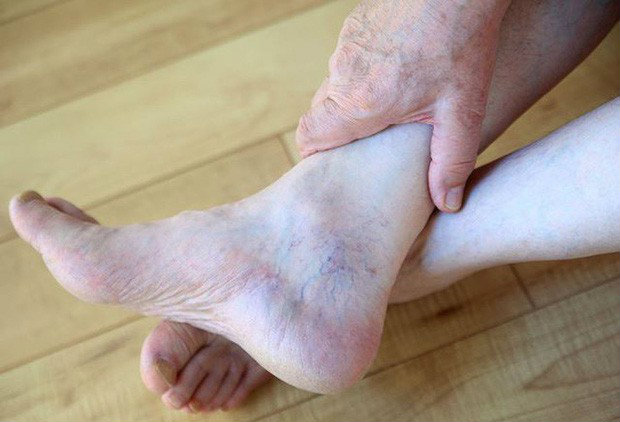
1. Persistent Cold Feet
If your feet often feel unusually cold - even in warm environments it may be more than just poor tolerance to temperature.
What It Could Mean:
-
Poor blood circulation
-
Peripheral artery issues
-
Thyroid imbalance
When blood flow is reduced, your feet receive less warmth, causing that constant cold sensation.
When to Pay Attention:
If cold feet are frequent and accompanied by numbness or color changes, it’s worth investigating further.
2. Swollen Feet and Ankles
Occasional swelling after a long day is normal. But persistent or unexplained swelling can indicate deeper issues.
Possible Causes:
-
Poor circulation
-
Heart or kidney concerns
-
Fluid retention
-
Venous insufficiency
Warning Signs:
-
Swelling that doesn’t go away overnight
-
Tight, shiny skin
-
Discomfort or heaviness
This may signal that your body is struggling to regulate fluid balance.
3. Numbness or Tingling
A “pins and needles” sensation that happens occasionally is usually harmless. However, frequent or persistent numbness is a different story.
What It May Indicate:
-
Nerve damage
-
Blood sugar imbalance
-
Circulatory problems
This is often associated with conditions that affect the nervous system, especially when it becomes chronic.

4. Changes in Skin Color
Your feet should have a relatively consistent skin tone. Sudden or unusual color changes can be a red flag.
What Different Colors May Suggest:
-
Pale or white: reduced blood flow
-
Blue or purple: poor oxygen circulation
-
Red: inflammation or infection
These changes often point to problems with blood circulation or oxygen delivery.
5. Slow-Healing Wounds or Cracks
Small cuts or cracks on the feet should heal within a reasonable time. If they don’t, it may indicate an underlying issue.
Possible Reasons:
-
Poor circulation
-
Weakened immune response
-
Blood sugar imbalance
Slow healing increases the risk of infection and should not be ignored.
6. Thickened or Discolored Toenails
Changes in your toenails can also reflect internal health.
What to Look For:
-
Yellowing or thickening
-
Brittle or crumbly texture
-
Unusual growth patterns
What It Could Mean:
-
Fungal infections
-
Circulatory issues
-
Nutritional deficiencies
While some nail changes are minor, persistent abnormalities may require attention.
The Bigger Picture: Why These Signs Matter
These small changes are often early indicators—not the final diagnosis. They signal that something in your body may not be functioning optimally.
Ignoring them can lead to:
-
Worsening circulation problems
-
Increased risk of infection
-
Progression of underlying conditions
On the other hand, recognizing them early allows you to:
-
Seek timely medical advice
-
Adjust lifestyle habits
-
Prevent complications
How to Take Care of Your Foot Health
Stay Active
Regular movement improves blood circulation and prevents stagnation.
Maintain Proper Hygiene
Clean and dry your feet to avoid infections.
Wear Comfortable Footwear
Avoid tight shoes that restrict blood flow.
Monitor Changes Regularly
Check your feet for any unusual signs, especially if you have existing health conditions.
Keep a Balanced Diet
Proper nutrition supports circulation, nerve function, and skin health.
When Should You See a Doctor?
You should seek medical advice if you notice:
-
Persistent numbness or tingling
-
Severe swelling
-
Color changes that don’t improve
-
Wounds that won’t heal
-
Increasing pain or discomfort
These symptoms may indicate conditions that require professional evaluation.

Final Thoughts
Your feet are more than just a part of your body that helps you move - they are a window into your overall health. Small changes may seem insignificant at first, but they can carry important signals about what’s happening internally.
The key takeaway is simple:
Don’t ignore subtle signs.
By paying attention to your feet and acting early, you can protect not only your mobility but also your long-term health. Sometimes, the smallest clues can make the biggest difference.