Himalayan pink salt is a type of rock salt that is pink due to trace minerals, but it is nutritionally the same as other forms of salt. Your body needs salt, but too much can lead to certain health problems.
1. High Blood Pressure
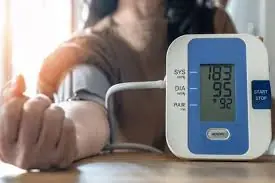
Salt is primarily composed of sodium and chloride. Any type of salt can increase your blood pressure because it causes your body to retain water, including in your circulatory system. This effect makes your heart work harder to circulate blood.
High blood pressure is a significant risk factor for heart disease, heart attacks, and strokes. While some individuals are more sensitive to salt, most Americans consume more salt than is advised.
2. Iodine Deficiency
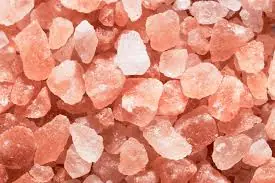
Replacing iodized salt with pink Himalayan salt might contribute to iodine deficiency, as Himalayan salt is not iodized. This deficiency can lead to serious health issues, including an enlarged thyroid (goiter) and severe birth conditions.
Today, iodine deficiency is not common in the U.S., but it was a concern in many parts of the country before table salt was iodized. Salt in processed food is typically not iodized. You can also get iodine from dietary sources, including fish like cod or tuna, or dairy products like milk and cheese.
3. Kidney Problems
Excess salt can upset the balance between sodium and potassium, both essential electrolytes for healthy kidney function. Potassium helps remove excess sodium from your body, but too much salt can overwhelm your kidneys. This might lead to:
-
Weakness and fatigue
-
Fluid retention around the heart or lungs
-
Nausea and vomiting
-
Irregular heartbeat
-
Confusion
-
Pain
-
Swelling in the ankles
For those with kidney disease, such imbalances can worsen the condition.
4. Bloating
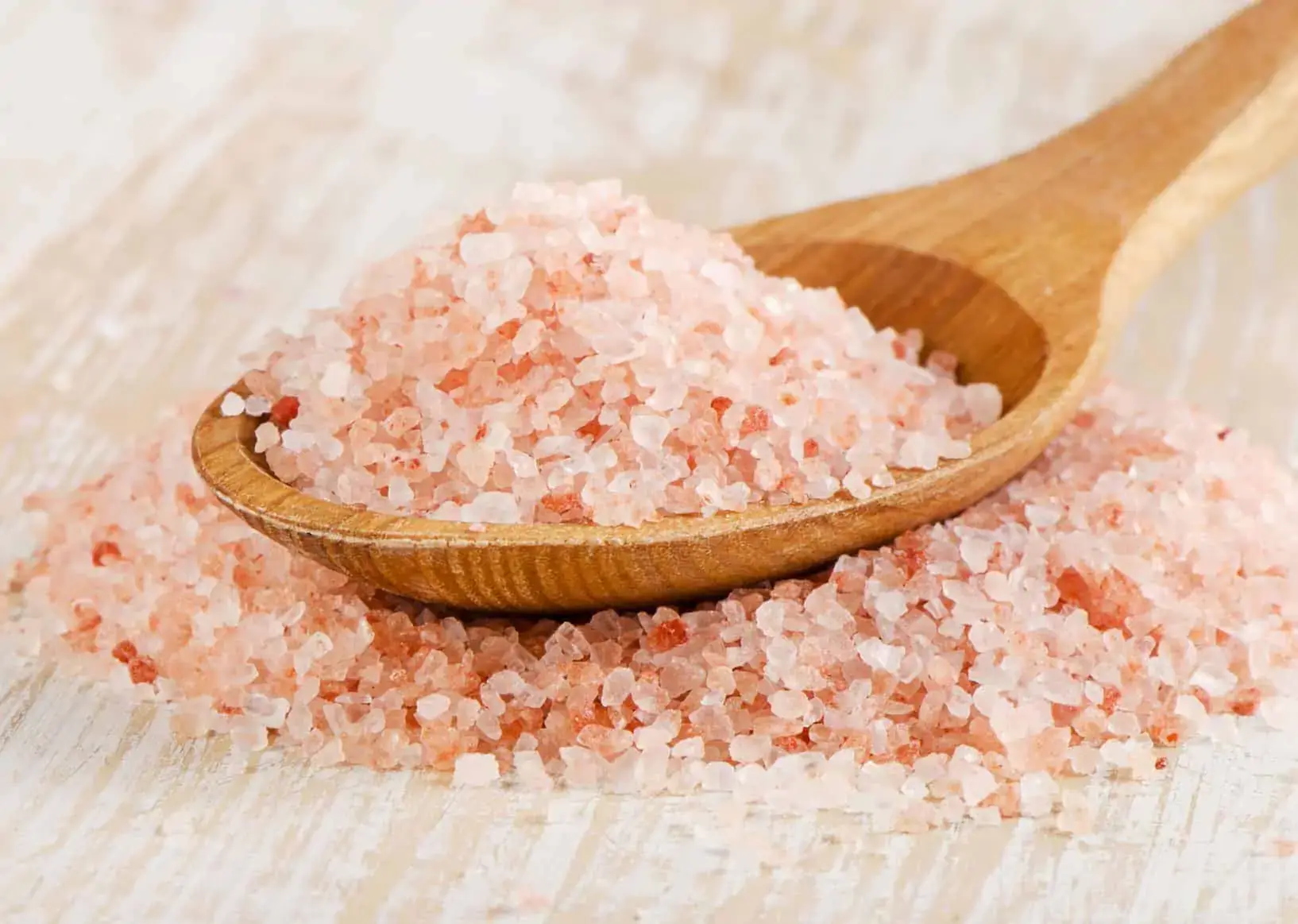
Salt can cause fluid retention in your digestive system, leading to bloating and discomfort. If you consume a high-fiber diet, which can also cause bloating, reducing your salt intake—whether it's Himalayan salt or another type—may alleviate gastrointestinal issues.
Fluid retention can also result in swelling, known as edema, especially in the face, hands, and feet.
5. Electrolyte Imbalance
Eating too much salt can disrupt your body's electrolyte balance. Electrolytes like potassium and magnesium carry an electrical charge in your body, and an imbalance can affect how well your heart and muscles function. The two minerals work together to support heart, nerve, and muscle function, and help you metabolize proteins and carbohydrates.
6. Weakened Bones
Excess sodium in your body can carry calcium with it when it's excreted through urination. Calcium, essential for building and maintaining strong bones, also helps with muscle and nerve function. If you lack calcium, your body will take it from bones to support these other functions, which could lead to osteoporosis, or thinning, fragile bones.
7. Exposure to Contaminants
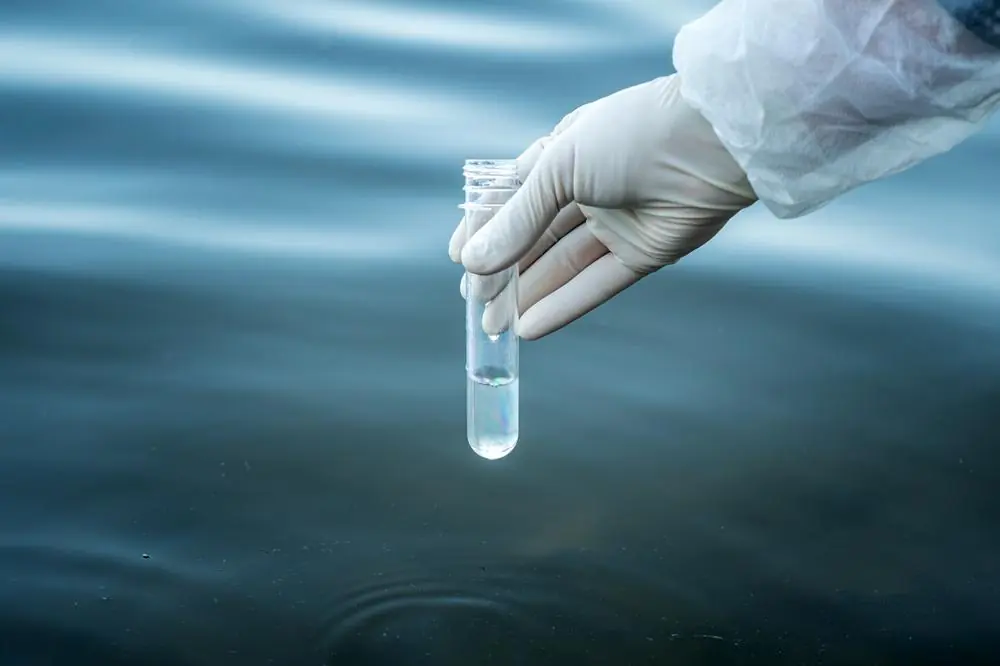
Salts like Himalayan pink salt are less processed than standard white table salt, which means potentially toxic materials could be included when the salt is collected.
In addition to minerals other than sodium, the salt could also contain possible toxins like heavy metals, including aluminum, chromium, mercury, lead, and nickel. The levels are likely very low, but frequent use means they could accumulate in the body.
Misleading Health Claims
Sole water, which is salt water prepared with pink salt, claims to help with weight loss, sleep, and stress levels. There's little evidence that it differs from other forms of salt water, and the effects of salt on health generally relate to hydration, fluid balance, and its impact on hormones.
Some studies noted that drinking salt water may help long-distance runners reduce the need to drink water during races because they retain more water. Often, they use electrolyte-containing sports drinks for this purpose.
Proponents of pink salt claim it contains extra minerals. Himalayan pink salt may have higher levels of minerals, including calcium, iron, and magnesium than white table salt. However, the amounts are too small to be nutritionally beneficial.
You would have to eat about 6 teaspoons of salt to absorb enough of the trace minerals to possibly make a difference. That is six times the recommended daily sodium intake.
How Much Salt Is Too Much?
U.S. dietary guidelines recommend that adults consume no more than 2,300 milligrams (mg) of sodium per day, approximately equivalent to a teaspoon. The American Heart Association says the ideal daily limit is 1,500 mg.
Many Americans eat an average of 3,400 mg of sodium a day. About 70% of the salt Americans consume comes from processed foods or restaurant meals. The rest occurs naturally in foods or is added during the cooking process.
Pink salt may contain slightly less sodium than other salts, at approximately 420 mg per 1/4 teaspoon, compared to 582 mg in white table salt. However, this is still a very large amount of sodium.