A Silent Stroke Can Strike When You Least Expect It — But These Small Habits Could Save Your Life
Most people think of a stroke as a sudden, dramatic event—slurred speech, numbness, or loss of movement. But not all strokes are so obvious. A silent stroke can happen without noticeable symptoms, quietly damaging the brain over time and increasing your risk of a major stroke later on.
The good news? Small, consistent habits can make a powerful difference in protecting your brain and overall health.
What Is a Silent Stroke?
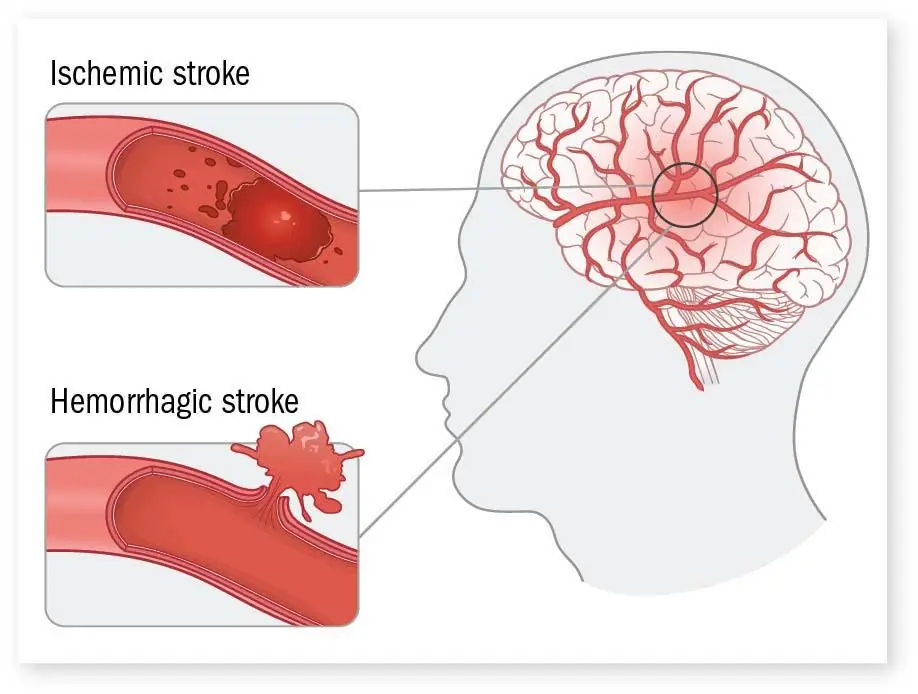
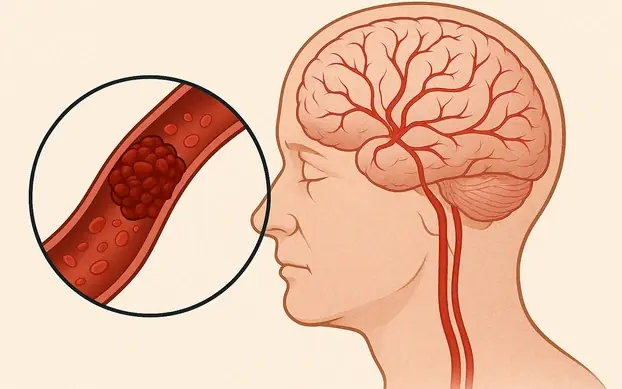
A silent stroke occurs when blood flow to a part of the brain is temporarily blocked, causing damage without immediate, clear symptoms. Many people don’t even realize they’ve had one until it shows up on a brain scan later.
Despite the lack of warning signs, the effects are real. Silent strokes can impact memory, thinking skills, and mobility—and they significantly raise your risk of future strokes.
Why They’re So Dangerous
Because silent strokes often go unnoticed, they can accumulate over time. This repeated damage may lead to cognitive decline, balance issues, or even vascular dementia.
That’s why prevention is key—and it often starts with simple, everyday choices.
Small Habits That Could Help Save Your Life
1. Keep Your Blood Pressure in Check
High blood pressure is one of the leading causes of stroke. Monitor it regularly, reduce salt intake, and follow your doctor’s advice if you’ve been diagnosed with hypertension.
2. Stay Hydrated
Dehydration can thicken your blood and make it harder to circulate, increasing the risk of clots. Drinking enough water each day helps your body function smoothly—including your brain.
3. Move Your Body Daily
Regular physical activity improves circulation, lowers blood pressure, and supports heart health. Even a brisk 30-minute walk most days of the week can significantly reduce your risk.
4. Eat a Brain-Healthy Diet
Focus on whole foods like fruits, vegetables, whole grains, lean protein, and healthy fats. Reducing processed foods and added sugars can help protect your blood vessels and reduce inflammation.
5. Don’t Ignore Sleep
Poor sleep is linked to higher risks of stroke and heart disease. Aim for 7–8 hours of quality sleep each night, and seek help if you struggle with sleep disorders like insomnia or sleep apnea.
6. Manage Stress Levels
Chronic stress can raise blood pressure and negatively impact your cardiovascular system. Simple practices like deep breathing, meditation, or spending time outdoors can help you reset.
7. Avoid Smoking and Limit Alcohol
Smoking damages blood vessels and increases clot risk, while excessive alcohol can raise blood pressure. Cutting back—or quitting entirely—can dramatically improve your health.
When to Take Action
Even though silent strokes don’t show obvious symptoms, your body may still give subtle clues—like mild memory lapses, difficulty concentrating, or unexplained balance issues. If you notice anything unusual, don’t ignore it.
Regular check-ups, especially if you have risk factors like diabetes, high blood pressure, or a family history of stroke, are essential.
The Bottom Line
A silent stroke may not announce itself—but its impact can be life-changing. The small habits you practice every day—what you eat, how you move, how you rest—can quietly protect your brain just as much as they support your overall health.
Taking action now doesn’t just reduce your risk—it could save your life later.