Colon cancer is one of the most common cancers worldwide, yet it is also one of the most preventable and treatable—especially when detected early. The challenge, however, is that early-stage colon cancer often develops quietly, with symptoms that are subtle, vague, and easy to ignore.
Many people dismiss these early signs as minor digestive issues, stress, or temporary discomfort. Unfortunately, overlooking them can delay diagnosis and reduce the chances of successful treatment.
Understanding these warning signals is crucial. Here are seven often-overlooked signs of early colon cancer that deserve immediate attention.
Why Early Detection Matters
Stage 1 colon cancer is typically localized, meaning it hasn’t spread beyond the inner layers of the colon. At this stage:
-
Treatment is more effective
-
Survival rates are significantly higher
-
Less invasive procedures may be required
The key is recognizing the early signals your body is sending.
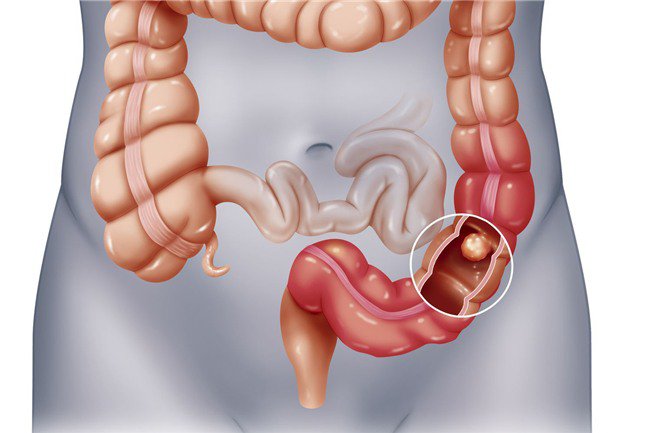
1. Persistent Changes in Bowel Habits
One of the earliest signs is a noticeable change in how your digestive system behaves.
What to Watch For:
-
Frequent diarrhea or constipation
-
Alternating between both
-
Changes in stool consistency
If these changes last more than a few weeks, they should not be ignored.
2. Blood in the Stool
Blood in the stool is a critical warning sign, but it is often mistaken for less serious issues like hemorrhoids.
It May Appear As:
-
Bright red blood
-
Dark, tarry stools
-
Streaks of blood mixed with stool
Even small amounts of blood require medical evaluation.
3. Abdominal Discomfort or Cramping
Mild but persistent abdominal pain is another overlooked symptom.
Common Descriptions:
-
Cramping
-
Gas-like discomfort
-
A feeling of pressure or bloating
Because these symptoms are common in everyday life, they are often dismissed.
4. A Feeling of Incomplete Bowel Movement
You may feel like you still need to go, even after using the bathroom.
Why It Matters:
This sensation can be caused by a blockage or growth in the colon, preventing complete emptying.
.jpg)
5. Unexplained Fatigue
Feeling constantly tired without a clear reason can be linked to internal changes.
Possible Explanation:
Slow, unnoticed blood loss in the digestive tract can lead to anemia, reducing oxygen levels in the body and causing fatigue.
6. Unintentional Weight Loss
Losing weight without changes in diet or exercise is always a red flag.
What It Could Mean:
Your body may be using extra energy to fight disease, or your digestive system may not be absorbing nutrients properly.
7. Narrow or Pencil-Thin Stools
Changes in stool shape can indicate something obstructing the colon.
What to Look For:
-
Stools that are consistently thinner than usual
-
A noticeable change in shape over time
This may suggest a narrowing in the colon that needs to be checked.
Why These Signs Are Often Ignored
There are several reasons why early symptoms go unnoticed:
-
They resemble common digestive issues
-
They may come and go
-
They are not always painful
-
People may feel embarrassed discussing them
This leads many individuals to delay seeking medical advice.
When Should You See a Doctor?
You should not ignore symptoms that:
-
Persist for more than 2–3 weeks
-
Become progressively worse
-
Occur together (e.g., fatigue + bowel changes)
Early consultation can make a significant difference.
Steps You Can Take
Pay Attention to Your Body
Track any changes in digestion, energy levels, and overall health.
Maintain a Healthy Lifestyle
-
Eat a fiber-rich diet
-
Stay physically active
-
Limit processed foods
Get Screened
Regular screenings are essential, especially if you are over a certain age or have risk factors.
Final Thoughts
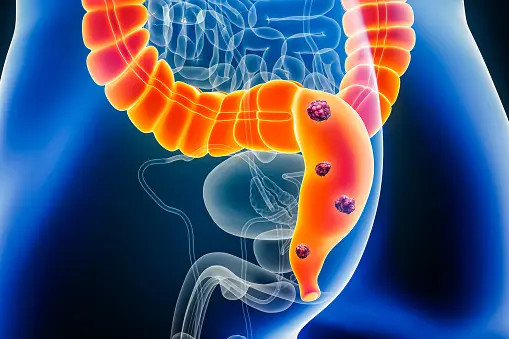
Colon cancer does not always announce itself loudly. In its early stages, it often whispers through subtle, easily overlooked signs.
The most important takeaway is this:
small changes can carry big meaning.
By recognizing these early warning signs and taking them seriously, you give yourself the best possible chance for early detection, effective treatment, and long-term health.
Don’t wait for symptoms to become severe. Sometimes, acting early is what saves lives.