Most people toss eggshells straight into the trash without a second thought. After all, once the egg is used, what value could the shell possibly have? Surprisingly, boiled eggshells are far from useless. In fact, they are rich in calcium carbonate and trace minerals, making them a versatile, eco-friendly resource for everyday life.
Instead of throwing them away, you can repurpose eggshells in simple yet effective ways that benefit your home, garden, and even your routine. Let’s explore why boiled eggshells matter and how you can use them wisely.

Why Eggshells Are So Valuable
Eggshells are composed of about 95% calcium carbonate, the same substance found in chalk and limestone. They also contain small amounts of magnesium, potassium, and other minerals.
These properties make eggshells:
-
Naturally abrasive (good for cleaning)
-
Nutrient-rich (useful for plants)
-
Biodegradable (environmentally friendly)
Boiling eggshells before reuse helps sanitize them, making them safer and cleaner for different applications.
1. Natural Fertilizer for Plants
One of the most popular uses of eggshells is in gardening.
How It Works:
Crushed eggshells slowly release calcium into the soil, helping plants grow stronger.
Benefits:
-
Improves soil quality
-
Supports root development
-
Helps prevent calcium deficiency in plants
How to Use:
-
Dry the boiled eggshells
-
Crush them into small pieces or powder
-
Sprinkle around the base of plants or mix into soil
This is especially helpful for vegetables and flowering plants.
2. Eggshell Water for Plant Nutrition
Boiling eggshells in water creates a mineral-rich liquid that can be used to nourish plants.
Why It’s Effective:
Some minerals from the shells dissolve into the water, making it easier for plants to absorb them.
How to Use:
-
Boil eggshells in water
-
Let the water cool
-
Use it to water your plants
This method is simple and reduces waste at the same time.
3. Gentle Natural Cleaner
Eggshells can act as a mild abrasive cleaner without harsh chemicals.
Best Uses:
-
Scrubbing pots and pans
-
Cleaning stubborn stains
-
Polishing surfaces gently
How to Use:
-
Crush the shells into small granules
-
Mix with a bit of soap or water
-
Use as a scrub
They help remove dirt without scratching surfaces too aggressively.
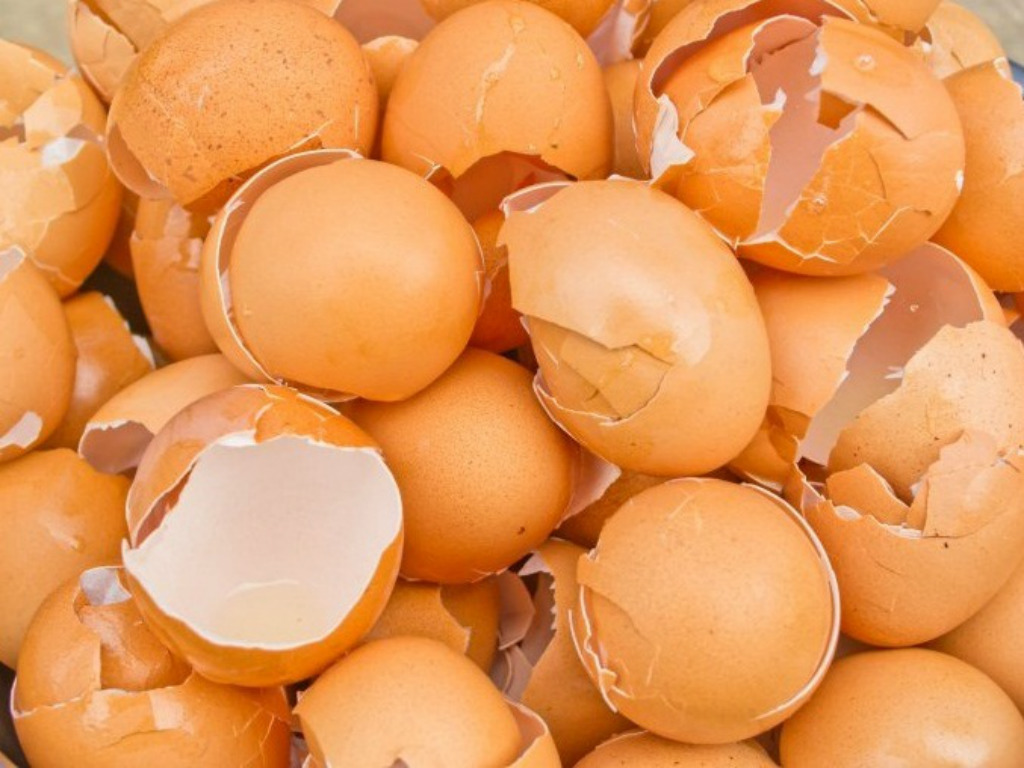
4. Pest Deterrent in the Garden
Crushed eggshells can help keep certain pests away.
How It Works:
Sharp edges of the shells can deter soft-bodied insects like slugs and snails.
How to Use:
-
Spread crushed shells around plants
-
Create a barrier near the soil
While not a complete solution, it can help reduce pest activity naturally.
5. Compost Booster
If you compost at home, eggshells are a great addition.
Benefits:
-
Add calcium to compost
-
Improve nutrient balance
-
Break down naturally over time
Tip:
Crushing the shells speeds up the decomposition process.
6. Deodorizing Agent
Eggshells can help absorb odors in certain situations.
Examples:
-
Placing crushed shells in trash bins
-
Using them to reduce mild odors in containers
Their porous structure helps trap unwanted smells.
7. DIY Calcium Supplement (With Caution)
Some people use finely ground eggshell powder as a calcium supplement.
Important Note:
-
Shells must be thoroughly cleaned, boiled, and finely ground
-
Should only be used with proper guidance
While eggshells are rich in calcium, this use requires caution and awareness.
The Environmental Impact
Repurposing eggshells is a small but meaningful step toward sustainability.
By reusing them, you:
-
Reduce household waste
-
Decrease reliance on chemical products
-
Support eco-friendly habits
It’s a simple way to make your daily routine more environmentally conscious.
Tips for Safe and Effective Use
To get the best results:
-
Always clean and boil eggshells before use
-
Dry them completely to prevent mold
-
Store in a dry container
-
Crush them according to your intended use
Proper preparation ensures both safety and effectiveness.

Final Thoughts
Eggshells may seem like kitchen waste, but they are actually a valuable natural resource hiding in plain sight. With just a little effort, you can transform something you would normally throw away into something useful and sustainable.
The key takeaway is simple:
small changes in how you use everyday items can make a big difference.
So the next time you boil eggs, think twice before discarding the shells. What looks like waste might actually be one of the easiest ways to add value to your home and reduce your environmental footprint.