In today’s fast-paced world, long-term health is no longer just about avoiding illness—it’s about building resilience, supporting your body’s systems, and maintaining energy, clarity, and strength over time. While no single food can guarantee protection against disease, a consistent, balanced diet rich in whole, nutrient-dense foods plays a critical role in supporting overall well-being.
Scientific research continues to highlight the importance of antioxidants, fiber, healthy fats, vitamins, and minerals in reducing inflammation, supporting immunity, and promoting cellular health. By incorporating the right foods into your daily routine, you can create a strong foundation for long-term health.
Below are 20 essential foods that are widely recognized for their nutritional value and protective benefits.
Why Consistency Matters More Than Perfection
It’s not about eating “perfectly” every day. What truly makes a difference is consistency.
Regular consumption of nutrient-rich foods can:
-
Support immune function
-
Reduce chronic inflammation
-
Improve digestion and metabolism
-
Protect cells from oxidative stress
-
Promote heart and brain health
Small, consistent choices add up over time.
1. Leafy Greens (Spinach, Kale)
Rich in vitamins A, C, and K, as well as antioxidants, leafy greens support detoxification and cellular protection.
2. Berries (Blueberries, Strawberries)
Packed with antioxidants like flavonoids, berries help combat oxidative stress and support brain health.
3. Broccoli and Cruciferous Vegetables
Broccoli, cauliflower, and cabbage contain compounds that support the body’s natural detox processes.
4. Garlic
Garlic contains bioactive compounds that may support immune health and help reduce inflammation.
5. Tomatoes
High in lycopene, tomatoes are linked to heart health and cellular protection.
6. Nuts (Almonds, Walnuts)
Nuts provide healthy fats, protein, and antioxidants that support heart and brain function.
7. Seeds (Chia, Flaxseeds)
Rich in omega-3 fatty acids and fiber, seeds support digestion and cardiovascular health.
8. Whole Grains (Oats, Brown Rice)
Whole grains provide sustained energy and help regulate blood sugar levels.
9. Fatty Fish (Salmon, Mackerel)
These fish are high in omega-3 fatty acids, which reduce inflammation and support heart health.
10. Yogurt (with Probiotics)
Supports gut health by introducing beneficial bacteria into the digestive system.
11. Green Tea
Contains catechins, powerful antioxidants that support metabolism and cellular health.
12. Avocado
Rich in healthy fats and potassium, avocados support heart health and nutrient absorption.
13. Citrus Fruits (Oranges, Lemons)
High in vitamin C, they boost immune function and support skin health.
14. Carrots
Loaded with beta-carotene, which the body converts into vitamin A for eye and immune health.

15. Sweet Potatoes
A nutrient-dense carbohydrate source rich in fiber and antioxidants.
16. Beans and Legumes
Excellent plant-based protein sources that also provide fiber and essential minerals.
17. Dark Chocolate (in Moderation)
Contains flavonoids that may support heart health and improve blood flow.
18. Mushrooms
Provide unique compounds that support immune function and overall health.
19. Olive Oil
A key component of the Mediterranean diet, rich in healthy fats and anti-inflammatory properties.
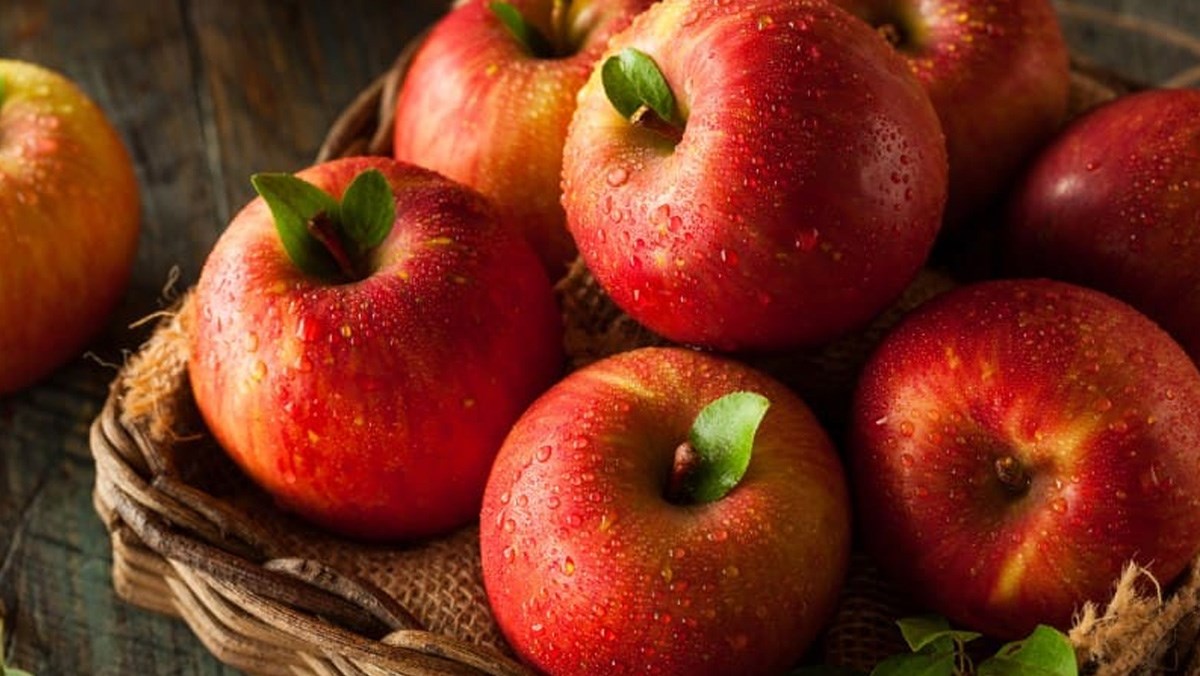
20. Apples
High in fiber and antioxidants, apples support digestion and gut health.
How These Foods Work Together
The real power lies not in individual foods, but in how they work together.
These foods:
-
Provide a wide range of nutrients
-
Support different systems in the body
-
Help maintain balance and stability
A diverse diet ensures your body gets everything it needs to function optimally.
Practical Tips for Daily Integration
Build Balanced Meals
Combine proteins, healthy fats, and fiber for sustained energy.
Eat a Variety of Colors
Different colors often indicate different nutrients and benefits.
Plan Ahead
Keep healthy foods accessible to make better choices easier.
Stay Hydrated
Water supports digestion and nutrient transport.
A Sustainable Approach to Health
Long-term health is not built overnight. It’s the result of consistent habits, informed choices, and a balanced lifestyle.
Rather than focusing on restriction, focus on addition - adding more of these beneficial foods into your routine.

Final Thoughts
Food is one of the most powerful tools you have to support your health. By consistently choosing nutrient-rich, whole foods, you can strengthen your body, improve your quality of life, and reduce the risk of chronic conditions over time.
The key message is simple:
what you eat regularly matters more than what you eat occasionally.
By making small, intentional changes today, you are investing in a healthier, stronger future.