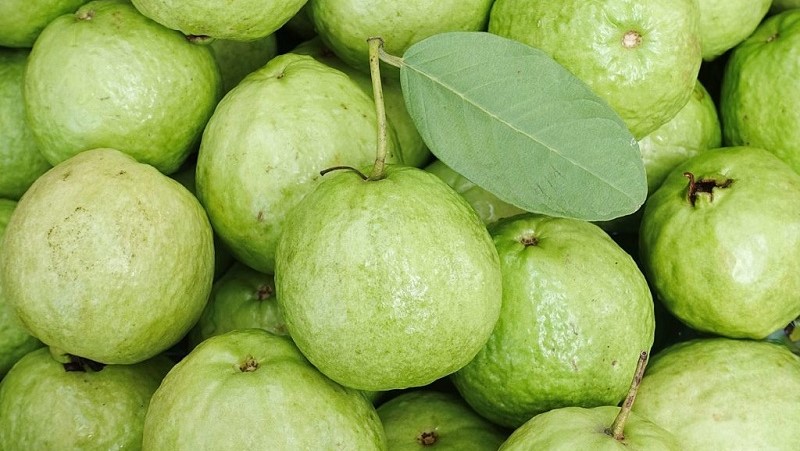
Guava is often described as a humble tropical fruit, but from a nutritional and medical perspective, it offers a surprisingly wide range of benefits. With its sweet flavor, fragrant aroma, and rich nutrient profile, guava has gained attention not only as a delicious snack but also as a food that can support multiple aspects of health.
So what actually happens in your body when you eat guava regularly? Let’s break it down based on what nutrition science and medical experts understand about this fruit.
A Nutritional Powerhouse in a Small Package
Guava is packed with essential nutrients, including:
-
Vitamin C
-
Dietary fiber
-
Potassium
-
Antioxidants
-
Small amounts of vitamin A and folate
In fact, guava contains more vitamin C than many citrus fruits, making it especially valuable for immune support.
1. Your Immune System Gets a Boost
One of the first things that happens when you eat guava is an increase in vitamin C intake.
Why This Matters:
Vitamin C plays a key role in:
-
Supporting immune function
-
Protecting cells from oxidative stress
-
Helping the body fight infections
Regular consumption of guava can contribute to a stronger, more responsive immune system.
2. Digestion Improves
Guava is rich in dietary fiber, which directly impacts your digestive health.
Effects on the Body:
-
Promotes regular bowel movements
-
Helps prevent constipation
-
Supports a healthy gut environment
Fiber also feeds beneficial gut bacteria, which are essential for overall digestive balance.
3. Blood Sugar Control May Be Supported
Despite its natural sweetness, guava has a relatively low glycemic impact when eaten whole.
What Happens:
-
Slower absorption of sugar due to fiber
-
More stable blood sugar levels
-
Reduced spikes after meals
This makes guava a suitable fruit option when consumed in moderation.
4. Heart Health Benefits
Guava contains nutrients that support cardiovascular health.
Key Contributions:
-
Potassium helps regulate blood pressure
-
Fiber helps manage cholesterol levels
-
Antioxidants reduce inflammation
Together, these factors contribute to better heart function over time.
5. Skin Health May Improve
Because of its high antioxidant and vitamin content, guava can support skin health from within.
Possible Effects:
-
Reduced oxidative damage
-
Support for collagen production
-
Healthier, more resilient skin
Hydration and nutrient intake both play a role in maintaining skin appearance.

6. Weight Management Support
Guava is low in calories but high in fiber, making it a satisfying snack.
How It Helps:
-
Promotes fullness
-
Reduces unnecessary snacking
-
Provides nutrients without excess calories
This makes it a good addition to a balanced diet.
7. Anti-Inflammatory and Antioxidant Effects
Guava contains compounds that help reduce inflammation and oxidative stress in the body.
Why This Matters:
Chronic inflammation is linked to many long-term health conditions. Antioxidants help protect cells and maintain overall balance.
How to Eat Guava for Best Results
To get the most benefits:
-
Eat it fresh and whole (including the skin, if clean)
-
Avoid adding excessive sugar
-
Pair with other nutrient-rich foods
You can enjoy guava:
-
As a snack
-
In smoothies
-
In salads
Are There Any Considerations?
While guava is generally safe and healthy, moderation is important.
-
Excessive intake may cause digestive discomfort due to high fiber
-
People with specific health conditions should consider dietary balance
As with any food, variety is key.

Final Thoughts
Guava is more than just a tropical fruit - it’s a nutrient-dense food that can support immunity, digestion, heart health, and overall well-being. While it’s not a miracle food, incorporating guava into a balanced diet can contribute to healthier daily habits.
The takeaway is simple:
small, consistent choices—like adding fruits such as guava to your routine—can have meaningful long-term benefits.
Sometimes, the simplest foods offer the most powerful support for your health.