Early Signs of Stomach Cancer You Shouldn’t Ignore
Stomach cancer, also known as gastric cancer, is often difficult to detect in its early stages. The symptoms can be subtle and easily mistaken for common digestive issues. Recognizing these early warning signs is crucial because early detection significantly increases the chances of successful treatment.
1. Persistent Indigestion or Heartburn
Frequent indigestion, bloating, or heartburn that doesn’t go away with normal remedies may be an early sign of stomach cancer. While these symptoms are often caused by less serious conditions, persistent discomfort should never be ignored.
2. Nausea and Vomiting
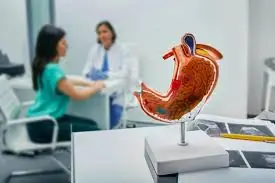
Unexplained nausea or vomiting, especially when accompanied by blood in vomit, can be an alarming symptom. Pay attention if these symptoms occur regularly or worsen over time.
3. Unexplained Weight Loss
Sudden and unintentional weight loss is a common red flag for many cancers, including stomach cancer. If you are losing weight without changing your diet or activity level, it is important to consult a healthcare professional.
4. Loss of Appetite
A decreased desire to eat, feeling full quickly after eating only a small amount, or a general lack of appetite can indicate that something is affecting your stomach.
5. Stomach Pain or Discomfort

Persistent stomach pain, cramping, or a feeling of fullness in the upper abdomen can signal a potential problem. While occasional stomach discomfort is normal, ongoing pain should be evaluated.
6. Blood in Stool or Dark Stools
The presence of blood in stool or unusually dark stools may indicate internal bleeding in the stomach or digestive tract. This is a serious symptom that requires immediate medical attention.
7. Fatigue and Weakness
Chronic fatigue or weakness can result from internal bleeding or anemia caused by stomach cancer. Feeling unusually tired for no reason is a symptom that should not be ignored.
Risk Factors to Keep in Mind
Certain factors can increase the likelihood of developing stomach cancer:
-
Smoking or heavy alcohol consumption
-
High-salt diets or frequent consumption of smoked and processed foods
-
Family history of stomach cancer
-
Infection with Helicobacter pylori bacteria
When to See a Doctor
If you notice any combination of the symptoms above, it’s crucial to consult a healthcare professional promptly. Early diagnosis through tests such as endoscopy or imaging can make treatment far more effective.
Conclusion
Stomach cancer often develops silently in its early stages, making awareness of the warning signs essential. Persistent digestive issues, unexplained weight loss, loss of appetite, blood in stool, or fatigue should never be ignored. Pay attention to your body and seek medical advice early—it can save your life.