Keeping floors clean, shiny, and free of dust is a constant challenge for many households. Recently, a simple cleaning hack has gained popularity online: adding a common household ingredient to mop water to enhance cleaning results. Promising shinier floors, reduced dust, and a refreshing scent, this method has captured the attention of homeowners looking for quick and effective solutions. But does it actually work? Cleaning experts say there is some truth behind the trend.
Why Mop Water Matters
Mopping is one of the most effective ways to remove dirt, bacteria, and allergens from floors. However, plain water alone may not be enough to break down grease, eliminate odors, or prevent dust from settling again quickly.
The effectiveness of mopping largely depends on what is added to the water. Cleaning solutions can help lift dirt, reduce static (which attracts dust), and leave surfaces looking polished rather than dull.
The Role of Common Household Additives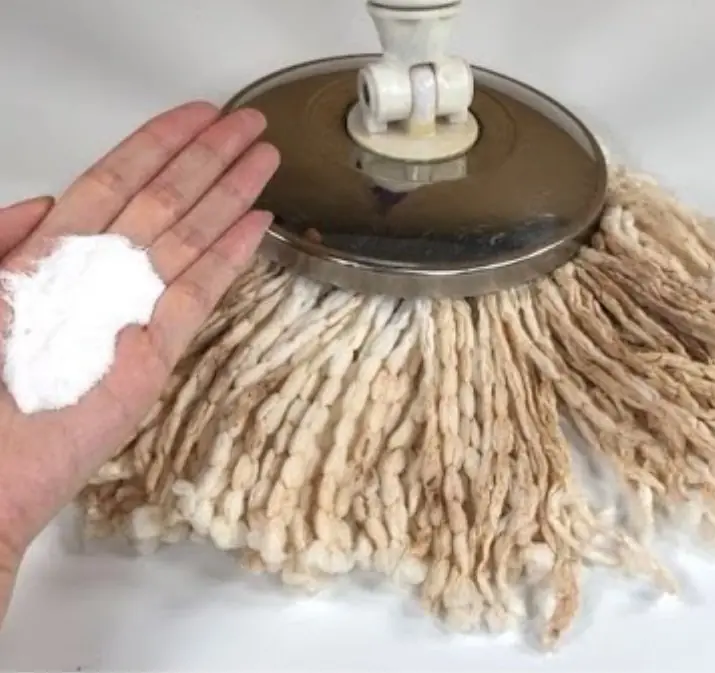
Many of the viral tips involve adding ingredients such as salt, vinegar, baking soda, or essential oils to mop water. Each of these substances plays a different role:
-
Vinegar: Known for its ability to cut through grease and neutralize odors
-
Baking soda: Helps remove stains and mild buildup
-
Salt: Can act as a mild abrasive and assist in breaking down dirt
-
Essential oils: Add fragrance and may have mild antibacterial properties
When used properly, these ingredients can enhance the cleaning power of water without the need for harsh chemicals.
Do Floors Really Shine More?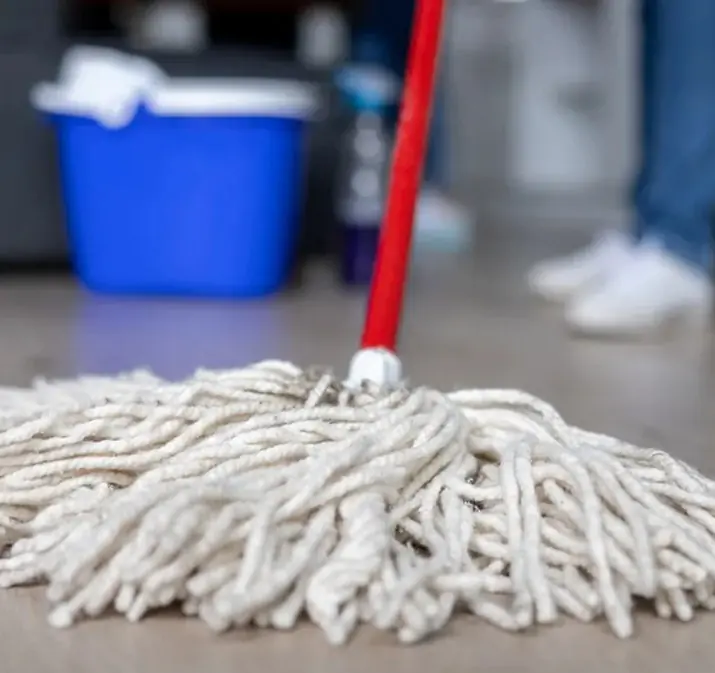
According to cleaning professionals, certain additives—especially vinegar—can leave floors looking shinier by removing residue left behind by soap or previous cleaning products.
Residue buildup is a common reason floors appear dull even after cleaning. By dissolving this buildup, natural solutions can restore the floor’s original appearance.
However, experts caution that results may vary depending on the type of flooring. For example, vinegar is not recommended for natural stone surfaces like marble or granite, as it can cause damage over time.
Reducing Dust and Allergens
One of the claims associated with this cleaning method is that it helps reduce dust. While no solution can completely eliminate dust, certain ingredients can help minimize how quickly it returns.
By removing residue and reducing static on floor surfaces, properly prepared mop water can make it harder for dust particles to cling. This can be particularly beneficial for households with pets or individuals sensitive to allergens.
The Importance of Proper Technique
While additives can improve results, experts emphasize that technique is just as important as the cleaning solution itself. Effective mopping involves:
-
Using clean water and changing it frequently
-
Avoiding overly wet mops that can spread dirt
-
Cleaning in sections to prevent recontamination
-
Allowing floors to dry properly to avoid streaks
Even the best cleaning solution cannot compensate for poor technique.
Creating a “Spa-Like” Scent at Home
Another appeal of this method is the pleasant fragrance it leaves behind. Adding a few drops of essential oils—such as lavender, lemon, or eucalyptus—can create a fresh, calming atmosphere.
While this does not directly affect cleanliness, it can enhance the overall perception of a clean home. Scent plays a powerful role in how people experience their living space, contributing to comfort and relaxation.
Safety and Considerations
Although natural cleaning ingredients are generally safe, they should still be used carefully. Mixing incompatible substances—such as vinegar and bleach—can produce harmful fumes.
It is also important to test any new solution on a small, inconspicuous area before applying it to the entire floor, especially for delicate surfaces.
Conclusion
The idea of transforming ordinary mop water into a more effective cleaning solution is not just a viral trend—it is rooted in practical cleaning principles. By using the right ingredients and techniques, homeowners can achieve cleaner, shinier floors while reducing reliance on harsh chemicals.
While no single solution is perfect for every surface, this simple approach offers a cost-effective and accessible way to improve household cleaning routines. In the end, a combination of smart preparation and consistent care is the key to maintaining floors that not only look clean but feel fresh and inviting.