Drooling during sleep is commonly dismissed as a minor inconvenience. For many people, it occurs occasionally and is linked to deep relaxation. However, medical experts caution that frequent or excessive drooling may sometimes point to underlying health conditions that should not be ignored.
Recent discussions in health communities have raised awareness about the potential link between nighttime drooling and several medical issues. While not always serious, persistent symptoms may warrant closer attention.
Why Do People Drool in Their Sleep?
Drooling, or sialorrhea, happens when saliva accumulates in the mouth and spills out, often due to relaxed facial muscles during sleep. It is more likely to occur when a person sleeps on their side or stomach.
In most cases, drooling is harmless and simply reflects normal body function during deep sleep. However, when it becomes frequent or excessive, it may indicate an imbalance in muscle control, breathing, or saliva production.
Common Causes of Nighttime Drooling
Several everyday factors can contribute to drooling:
-
Sleep position: Side or stomach sleeping makes it easier for saliva to escape
-
Nasal congestion: Blocked nasal passages may force mouth breathing
-
Fatigue: Deep sleep can reduce muscle control in the face
While these causes are generally benign, persistent symptoms may suggest something more complex.
Potential Health Conditions Linked to Drooling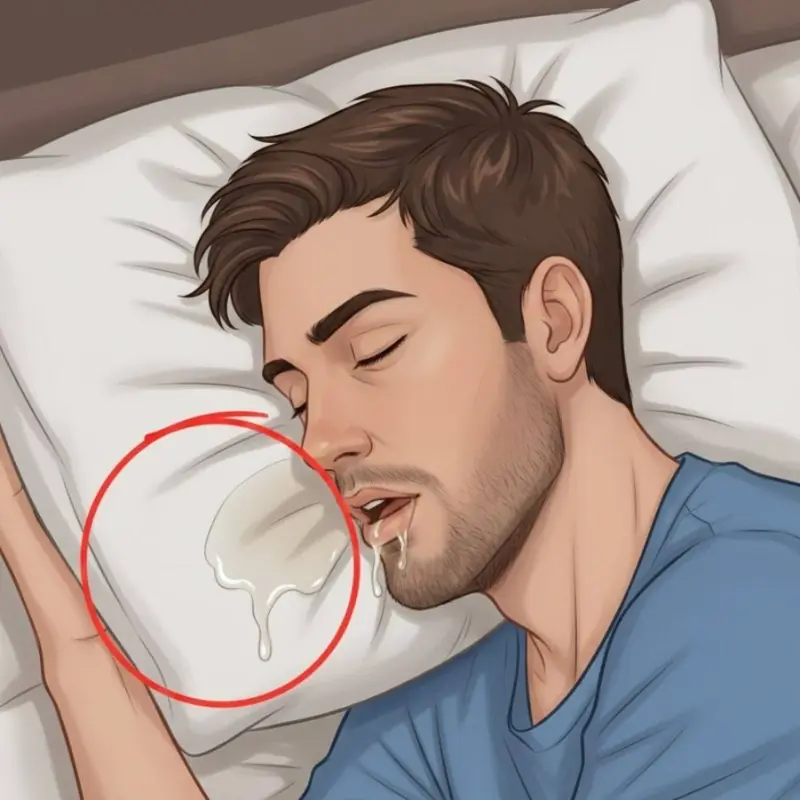
Doctors note that frequent drooling may be associated with certain medical conditions. These include:
1. Sleep Apnea
Obstructive sleep apnea can cause irregular breathing and mouth opening during sleep, increasing the likelihood of drooling. It is often accompanied by snoring and daytime fatigue.
2. Gastroesophageal Reflux Disease (GERD)
Acid reflux may stimulate excess saliva production, a condition sometimes referred to as “water brash.”
3. Neurological Disorders
Conditions affecting the nervous system—such as Parkinson’s disease or stroke—can impair muscle control, including the ability to swallow saliva effectively.
4. Allergies or Sinus Infections
Chronic nasal blockage can lead to mouth breathing, which increases drooling during sleep.
5. Infections or Oral Health Issues
Dental problems, gum disease, or oral infections may stimulate increased saliva production.
6. Medication Side Effects
Certain medications, including sedatives or drugs affecting the nervous system, can increase saliva production or reduce swallowing reflexes.
When Should You Be Concerned?
Occasional drooling is not usually a cause for concern. However, experts recommend seeking medical advice if drooling is:
-
Frequent or worsening over time
-
Accompanied by snoring or breathing interruptions
-
Paired with difficulty swallowing
-
Linked to sudden changes in speech or movement
These symptoms may indicate a need for further evaluation.
How Doctors Diagnose the Cause
Diagnosis typically involves a review of medical history, sleep patterns, and associated symptoms. In some cases, doctors may recommend:
-
Sleep studies to evaluate breathing disorders
-
Neurological assessments
-
Imaging or laboratory tests
Identifying the root cause is essential for determining appropriate treatment.
Managing and Reducing Drooling
Treatment depends on the underlying cause, but simple lifestyle changes may help reduce symptoms:
-
Sleeping on the back instead of the side
-
Treating nasal congestion or allergies
-
Maintaining good oral hygiene
-
Adjusting medications under medical guidance
For more complex cases, medical interventions may be necessary.
The Importance of Awareness
One of the biggest challenges with symptoms like drooling is that they are often overlooked. Because it seems minor, individuals may ignore it even when it occurs regularly.
However, recognizing patterns and changes in the body can play a crucial role in early detection of health issues.
Conclusion
Drooling during sleep is usually harmless, but persistent or excessive cases may signal underlying health conditions. From sleep disorders to neurological issues, the causes can vary widely.
Experts emphasize that awareness is key. Paying attention to subtle symptoms—and seeking medical advice when needed—can help ensure early diagnosis and better health outcomes. In many cases, a simple observation during sleep may provide valuable insight into overall well-being.