Waking Up With These 7 Symptoms? Your Body May Be Hinting at Hidden Diabetes
Diabetes is often called a “silent” condition because it can develop gradually with few obvious symptoms—especially in the early stages. Many people don’t even realize they have it until serious complications arise. Interestingly, your body often gives subtle clues in the morning that something might be wrong. Paying attention to these signals can help detect hidden diabetes early and prevent long-term health issues.
Here are 7 morning symptoms that could indicate undiagnosed diabetes:
1. Frequent Urination

Waking up multiple times at night or feeling an urgent need to urinate first thing in the morning can be a sign of high blood sugar. Your kidneys work harder to filter the excess sugar, which leads to more frequent trips to the bathroom.
2. Unusual Thirst
Feeling excessively thirsty when you wake up may indicate dehydration caused by high glucose levels. This symptom often goes hand in hand with frequent urination.
3. Dry Mouth or Bad Taste
High blood sugar can reduce saliva production, leading to a dry mouth or an unpleasant taste in your mouth in the morning.
4. Morning Fatigue
If you wake up feeling exhausted despite getting enough sleep, your body might be struggling to process glucose efficiently. This can make your energy levels crash even after a full night’s rest.
5. Blurred Vision
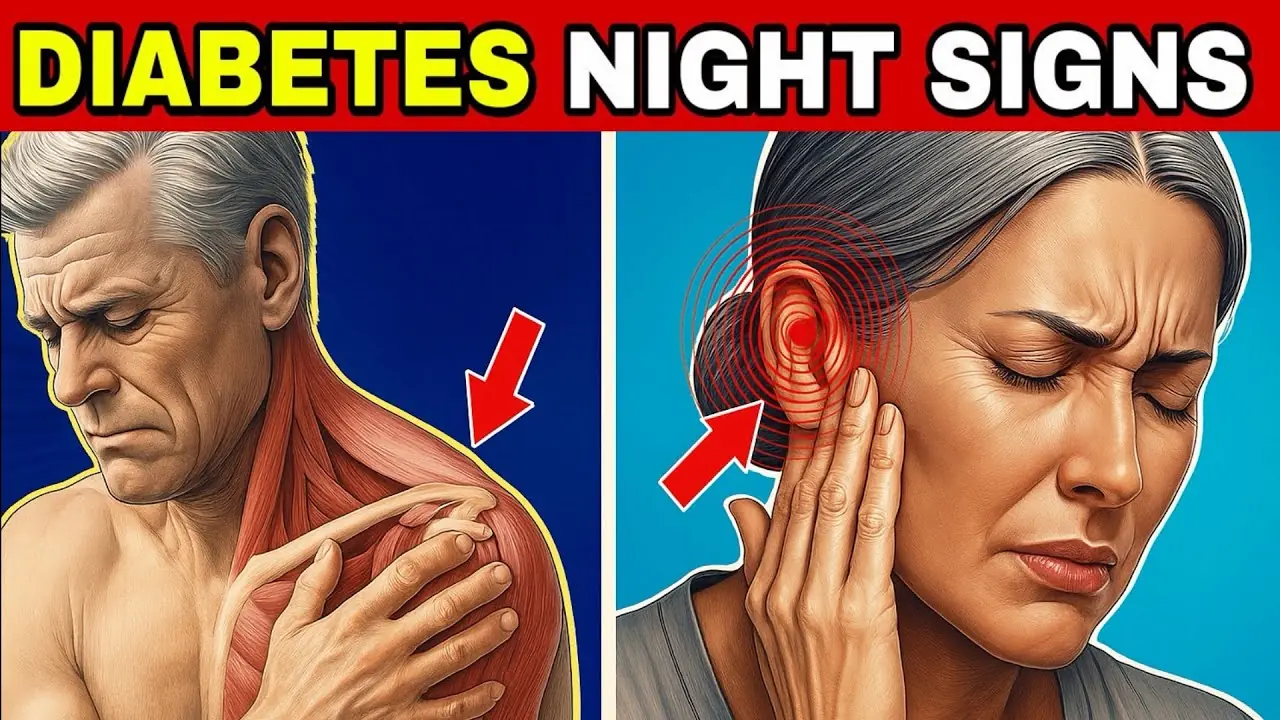
Sudden or recurring blurred vision in the morning can occur due to fluid shifts in the eyes caused by elevated blood sugar levels. Persistent changes in vision should never be ignored.
6. Headaches
Frequent morning headaches may be linked to fluctuations in blood sugar. When glucose levels spike or drop overnight, it can trigger headaches upon waking.
7. Tingling or Numbness
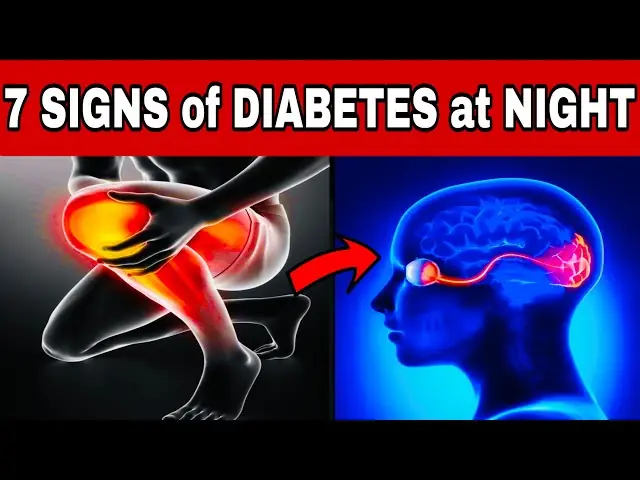
Waking up with tingling, numbness, or a “pins and needles” sensation in your hands or feet may indicate early nerve damage (neuropathy) caused by high blood sugar.
What You Should Do
If you notice one or more of these symptoms regularly, it’s important to consult a healthcare professional. Early detection of diabetes allows for effective management through lifestyle changes, diet, exercise, and sometimes medication, preventing complications such as heart disease, kidney problems, or nerve damage.
Bottom Line
Your mornings can reveal a lot about your health. Paying attention to subtle symptoms like unusual thirst, fatigue, or tingling can help you catch hidden diabetes before it becomes more serious. Don’t ignore what your body is trying to tell you—it could save your life.