Waking Up with a Dry Mouth at Night? Here Are 8 Reasons You Shouldn’t Ignore
Ever wake up in the middle of the night feeling like your mouth is completely dry—almost like all the moisture has disappeared?
It might seem like a small inconvenience, but persistent dry mouth (xerostomia) can be your body signaling something deeper.
Let’s break down the real reasons behind it—so you know when it’s harmless… and when it’s not.
1. Dehydration (The Most Common Cause)


If your body lacks enough fluids, saliva production drops.
Signs:
-
Dry lips
-
Thirst at night
-
Dark urine
Fix:
Drink enough water throughout the day—not just before bed.
2. Mouth Breathing While Sleeping
Sleeping with your mouth open dries out saliva quickly.
This often happens due to:
-
Nasal congestion
-
Allergies
-
Habitual breathing patterns
3. Acid Reflux (GERD)


When stomach acid flows back into the esophagus, it can:
-
Irritate the throat
-
Reduce saliva
-
Cause dryness or a bitter taste
Nighttime reflux is especially common when lying flat.
4. Medications
Many common medications can cause dry mouth, including:
-
Antihistamines
-
Antidepressants
-
Blood pressure drugs
If you recently started a new medication, this could be the reason.
5. Poor Sleep Environment



Air conditioners, fans, or dry climates can reduce air humidity—leading to moisture loss in your mouth overnight.
6. Smoking or Alcohol Before Bed
Both can:
-
Reduce saliva production
-
Irritate oral tissues
-
Make dryness worse during sleep
7. Stress and Anxiety
Stress affects your nervous system—and yes, it can reduce saliva flow.
People under stress often notice:
-
Dry mouth
-
Teeth grinding
-
Poor sleep quality
8. Underlying Health Conditions

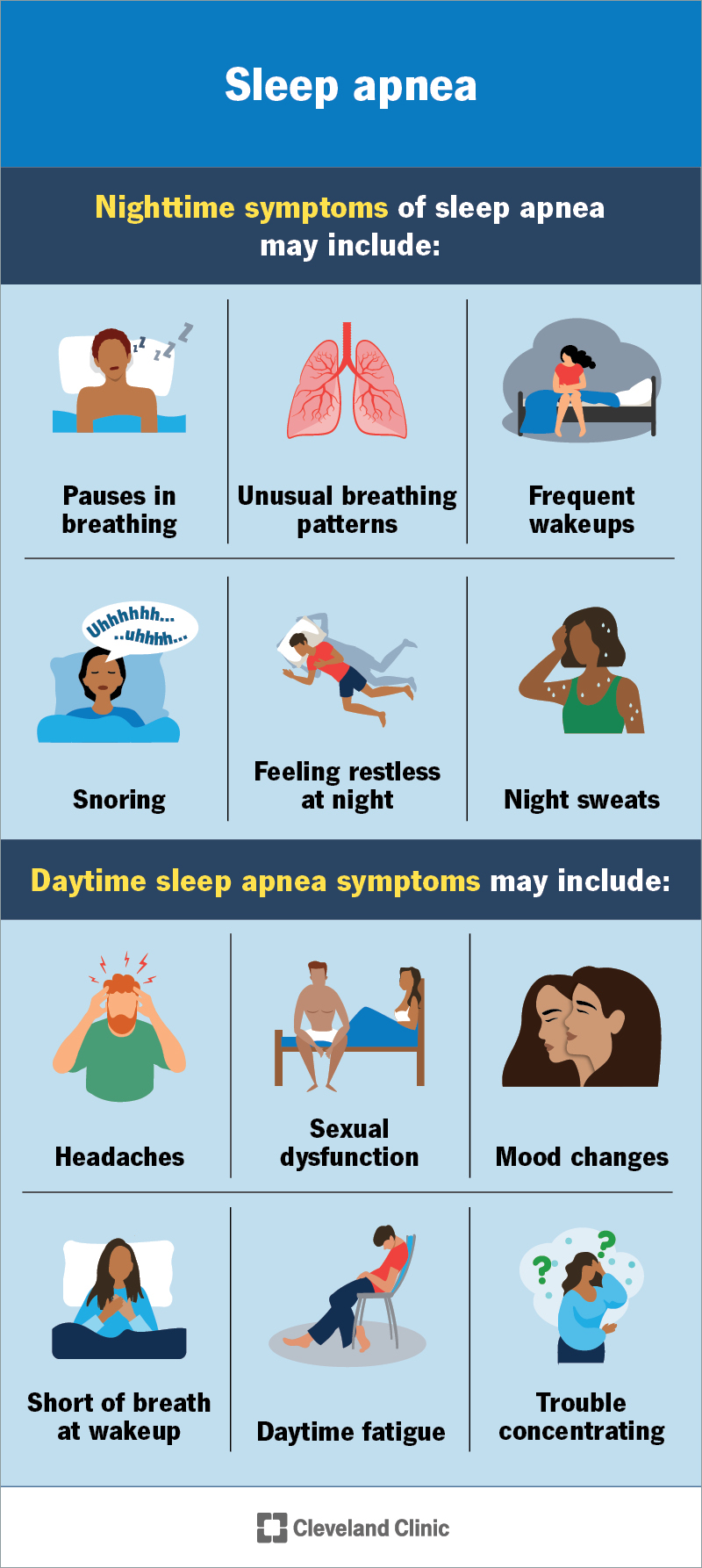

In some cases, dry mouth may be linked to:
-
Diabetes
-
Sleep apnea
-
Autoimmune conditions
If dryness is frequent and severe, it’s worth checking.
Why You Shouldn’t Ignore It
Chronic dry mouth isn’t just uncomfortable—it can lead to:
-
Bad breath
-
Tooth decay
-
Gum disease
-
Difficulty swallowing
Saliva plays a critical role in protecting your oral health.
Simple Ways to Fix It
-
Stay hydrated during the day
-
Use a humidifier at night
-
Avoid alcohol before sleep
-
Try nasal breathing (if possible)
-
Maintain good oral hygiene
When to See a Doctor
Take it seriously if:
-
Dry mouth happens every night
-
You wake up multiple times because of it
-
You also feel fatigue, snoring, or burning sensation
Final Takeaway
A dry mouth at night might seem minor—but it’s often a clue.
Your body is trying to tell you something.
Listen early, adjust your habits, and if needed—get it checked.
Because small symptoms today… can prevent bigger problems tomorrow.