If You See Someone with Bulging Veins — Here’s What You Need to Know (Before You Ignore It)
Bulging veins might look alarming at first glance—especially when they appear twisted, raised, or unusually visible under the skin. Many people assume it’s just a cosmetic issue or a normal sign of aging. But in reality, visible veins can sometimes signal deeper circulatory concerns that shouldn’t be ignored.
Let’s break it down clearly—what it means, when it’s harmless, and when it’s time to pay attention.
What Are Bulging Veins?
Bulging veins—often referred to as varicose veins—occur when veins become enlarged, stretched, and overfilled with blood. They usually appear:
-
Blue or dark purple
-
Twisted or rope-like
-
Raised above the skin surface
They are most common in the legs, but can also appear on the hands, arms, or feet.
Why Do Veins Start Bulging?


Several factors can contribute to this condition:
1. Weak or Damaged Vein Valves
Veins have tiny valves that keep blood flowing in one direction—toward the heart.
When these valves weaken, blood can pool inside the veins, causing them to swell.
2. Aging
As people get older, vein elasticity decreases.
This makes it easier for veins to stretch and become visible.
3. Prolonged Standing or Sitting
Jobs or habits that involve long periods of standing or sitting can increase pressure in the veins, especially in the legs.
4. Genetics
If family members have varicose veins, there’s a higher chance of developing them.
5. Hormonal Changes
Hormones can relax vein walls, which is why conditions like pregnancy often increase the risk.
Common Symptoms to Watch For
Not all bulging veins cause discomfort, but some people may experience:
-
Aching or heavy legs
-
Swelling in the lower limbs
-
Burning or throbbing sensation
-
Muscle cramps, especially at night
-
Itching around the veins
If these symptoms appear consistently, it’s worth paying attention.
When Is It a Warning Sign?

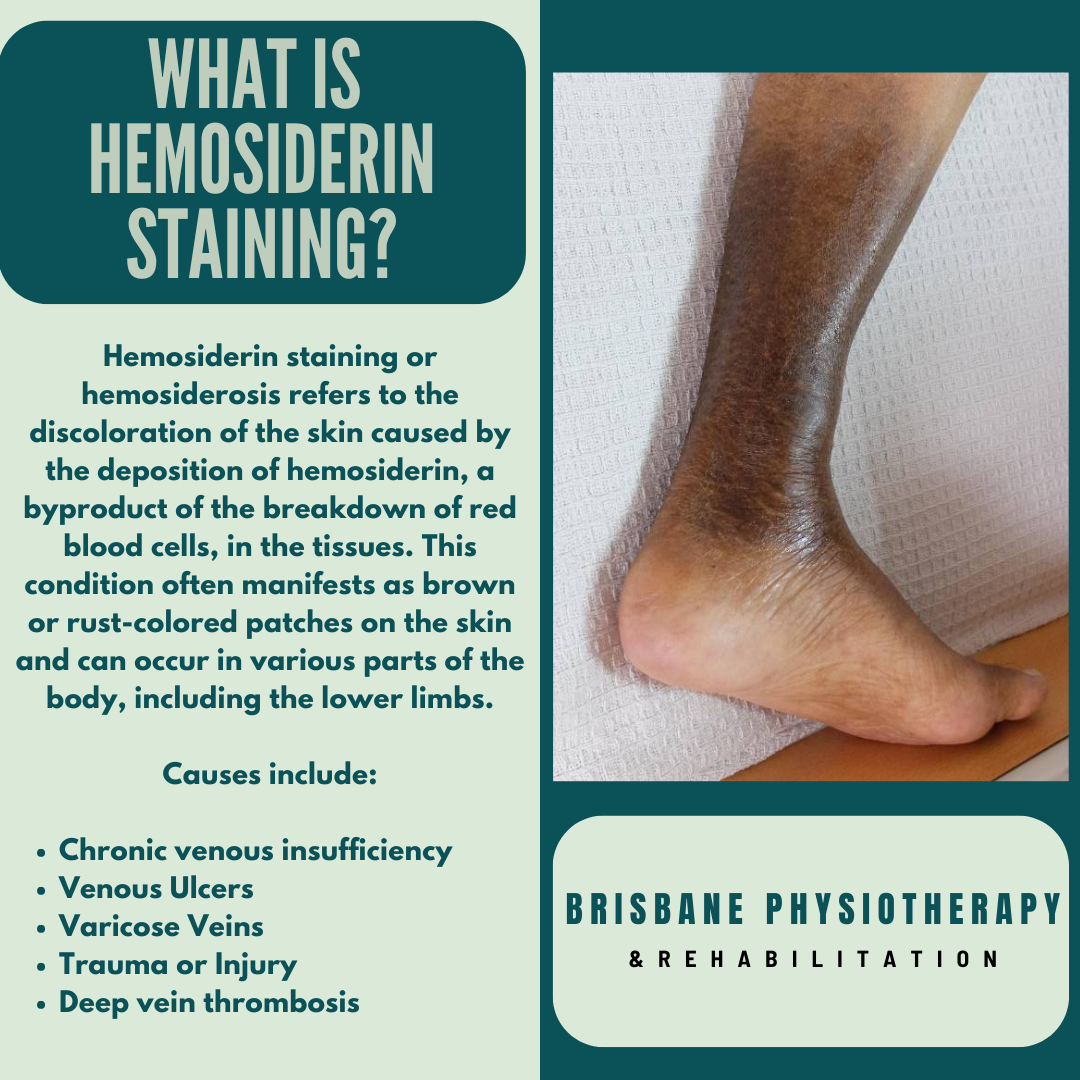

While many cases are mild, bulging veins can sometimes indicate more serious conditions.
Seek medical attention if you notice:
-
Sudden swelling in one leg
-
Severe pain or tenderness
-
Skin discoloration (brown, red, or dark patches)
-
Open sores or ulcers near the ankles
-
Warmth or redness around a vein
These could be signs of circulation problems or blood clots, which require prompt evaluation.
Are Bulging Veins Dangerous?
Here’s the real talk:
Not always—but not something to ignore either.
Many people live with varicose veins without major complications. However, in some cases, they can lead to:
-
Chronic venous insufficiency
-
Skin damage
-
Increased risk of clot formation
So while it’s not automatically dangerous, it’s definitely not something to brush off completely.
How to Improve Vein Health Naturally


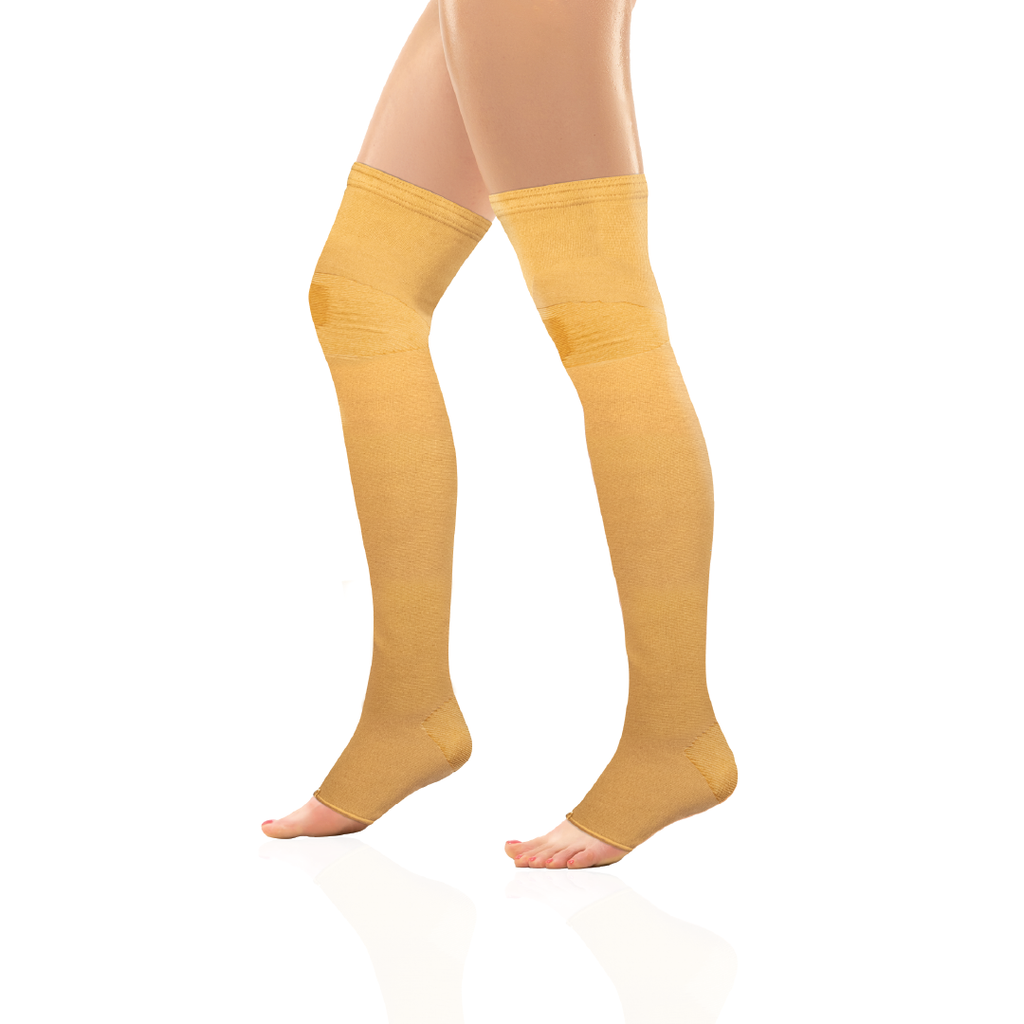
If symptoms are mild, lifestyle changes can help:
1. Stay Active
Regular movement improves blood circulation.
Even simple walking can make a big difference.
2. Elevate Your Legs
Raising your legs above heart level helps reduce pressure in the veins.
3. Wear Compression Stockings
These help veins move blood more efficiently.
4. Maintain a Healthy Weight
Less pressure on veins = better circulation.
5. Avoid Long Periods of Sitting or Standing
Take breaks, stretch, and keep your blood flowing.
Medical Treatments (If Needed)
If symptoms become severe, doctors may recommend:
-
Laser therapy
-
Sclerotherapy (injecting solution to shrink veins)
-
Minimally invasive procedures
These are typically safe and effective when performed by professionals.
Final Thoughts
Bulging veins are more than just a visual issue.
They’re a signal—from your circulatory system—that something might need attention.
Don’t panic—but don’t ignore it either.
Pay attention to your body, watch for symptoms, and take action early if needed.
Because sometimes, what looks like a small surface issue… can reflect something deeper inside.