If Your Tongue Is White — Don’t Ignore This Signal from Your Body
A white-coated tongue can look alarming. Many people immediately think something serious is wrong—but the truth is more nuanced.
Sometimes it’s harmless. Other times, it’s your body quietly telling you something needs attention.
Let’s break it down clearly so you know what’s normal, what’s not, and when to act.
What Does a White Tongue Actually Mean?
A white tongue usually happens when tiny bumps on the tongue (papillae) become inflamed or trap debris like:
-
Bacteria
-
Dead cells
-
Food particles
This buildup creates that white or grayish coating you see.
Common Causes (Most People Have These)


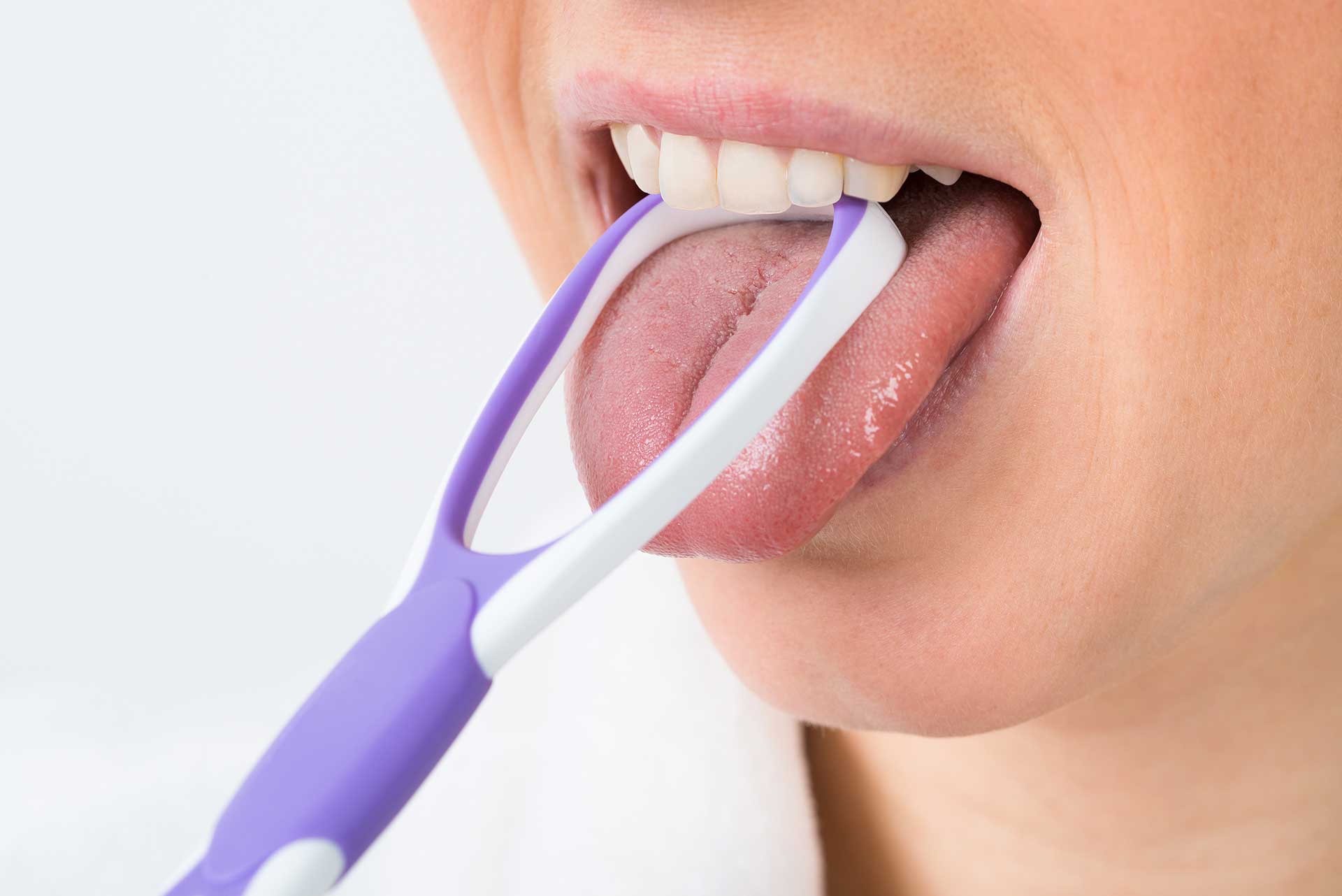
1. Poor Oral Hygiene
Not brushing your tongue allows bacteria and debris to accumulate.
2. Dehydration
When your mouth is dry, saliva decreases—making it easier for buildup to form.
3. Smoking or Alcohol
These irritate the tongue and promote discoloration.
4. Diet Factors
Soft foods or low-fiber diets may reduce natural cleaning of the tongue.
When It Might Be a Health Warning
A white tongue isn’t always harmless. In some cases, it may be linked to underlying conditions.
1. Oral Thrush (Fungal Infection)
-
Thick white patches
-
May feel sore or burn
-
Common in people with weak immunity
2. Digestive Issues
Some traditions and medical views suggest a coated tongue can reflect gut imbalance or poor digestion.
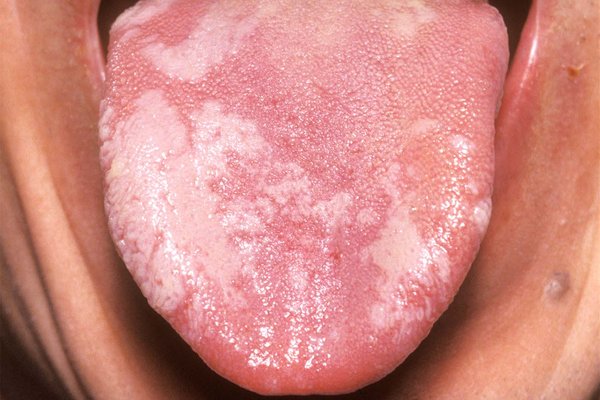
3. Leukoplakia


-
Thick, hard white patches
-
Cannot be scraped off
-
Often linked to smoking
This condition needs medical evaluation.
4. Lichen Planus
A condition that creates lace-like white patterns on the tongue and inside the mouth.
Signs You Should NOT Ignore
If you notice any of these, it’s time to take it seriously:
-
White coating lasting more than 2 weeks
-
Pain, burning, or difficulty eating
-
Patches that won’t go away when cleaned
-
Cracks, bleeding, or swelling
How to Fix It (Simple but Effective)


1. Clean Your Tongue Daily
Use a tongue scraper or your toothbrush—this is key.
2. Stay Hydrated
Drink enough water to keep saliva production normal.
3. Improve Your Diet
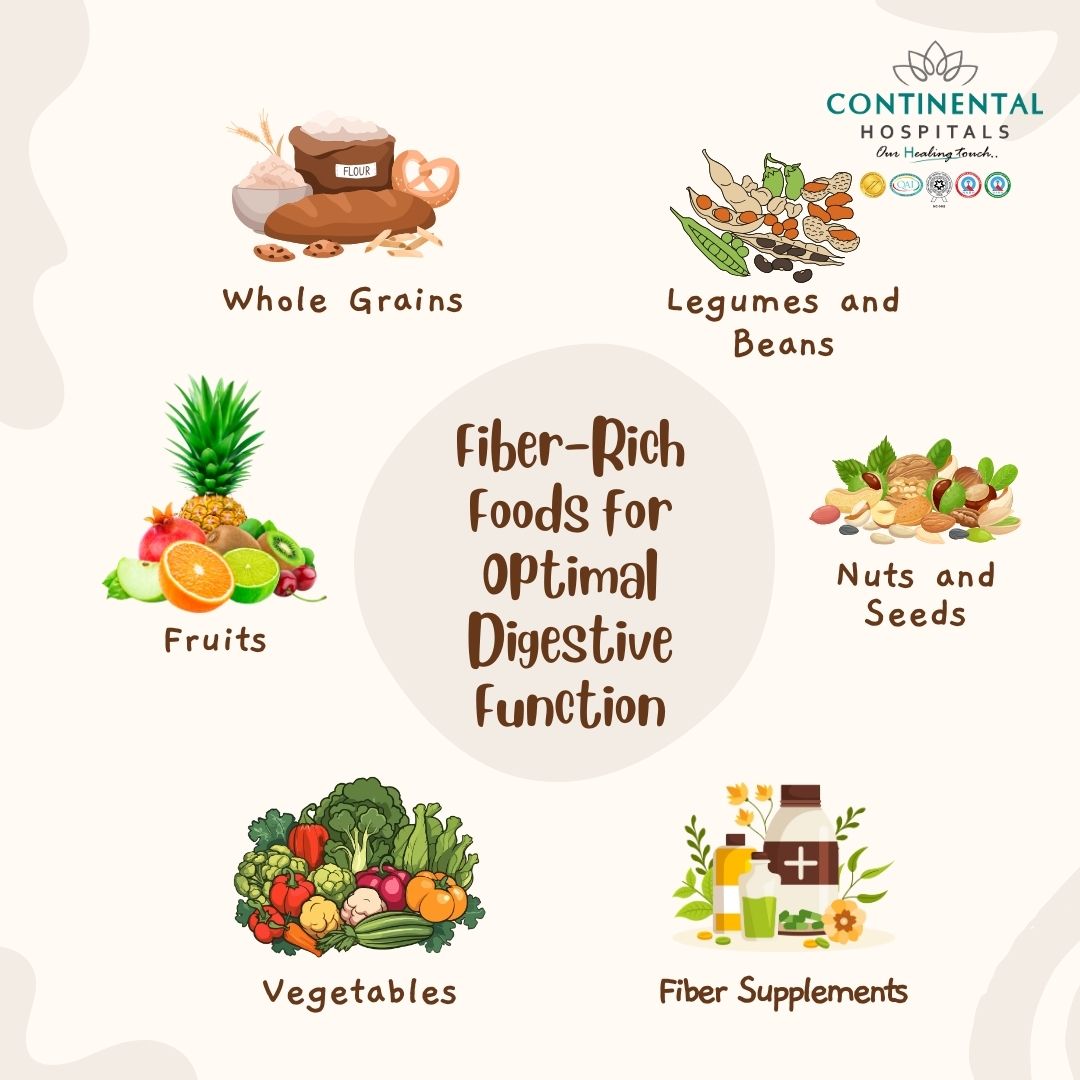
Eat more fiber-rich foods to naturally clean your mouth.
4. Avoid Irritants
Cut down on smoking, alcohol, and overly spicy foods.
5. Visit a Dentist if Needed
If symptoms persist, don’t guess—get a proper check.
Real Talk: Should You Be Worried?
Here’s the honest answer:
-
Most cases = harmless and fixable
-
Some cases = early warning signs
The difference lies in duration, symptoms, and changes over time.
Final Takeaway
A white tongue is not something to panic about—but it’s also not something to ignore.
Your body often sends small, visible signals before bigger problems appear.
So instead of scrolling past it, take a closer look.
Because sometimes, the simplest signs… carry the most important messages.