For many people, sleeping with a fan running through the night is a simple way to stay cool and comfortable. The gentle hum and steady airflow can also act as white noise, helping some individuals fall asleep more easily. However, health experts caution that keeping a fan on overnight may have unintended effects on the body, particularly for those with allergies or respiratory sensitivities.
Why People Sleep With Fans
Fans are widely used as an affordable alternative to air conditioning. They help circulate air, reduce heat, and create a more comfortable sleeping environment—especially during warm weather.
In addition to cooling, the consistent sound of a fan can mask background noise, making it easier for light sleepers to rest. For these reasons, fans have become a common part of nighttime routines in many households.
The Hidden Downsides of Overnight Fan Use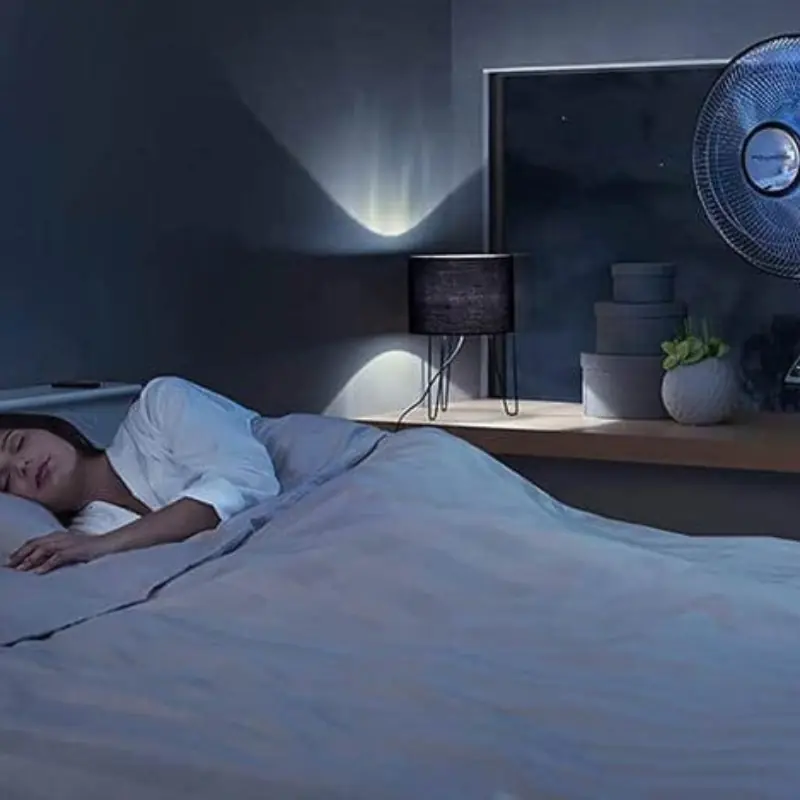
Despite their benefits, experts say that prolonged exposure to direct airflow can lead to several potential issues.
1. Dry Air and Irritation
Fans do not cool the air—they simply move it. Continuous airflow can dry out the skin, eyes, and nasal passages. This may lead to irritation, especially for people who are already prone to dryness.
Dry nasal passages can also make it easier for irritants to enter the respiratory system.
2. Increased Allergy Symptoms
One of the most significant concerns is the circulation of dust and allergens. Fans can stir up particles such as dust, pollen, and pet dander, keeping them airborne throughout the night.
For individuals with allergies or asthma, this may worsen symptoms such as sneezing, congestion, or coughing.
Muscle Stiffness and Discomfort
Another commonly reported issue is waking up with muscle stiffness. Prolonged exposure to cool air directed at the body can cause muscles to tighten.
This is particularly noticeable in the neck and shoulders, where airflow may be concentrated. While not dangerous, it can lead to discomfort and reduced sleep quality.
Impact on Respiratory Health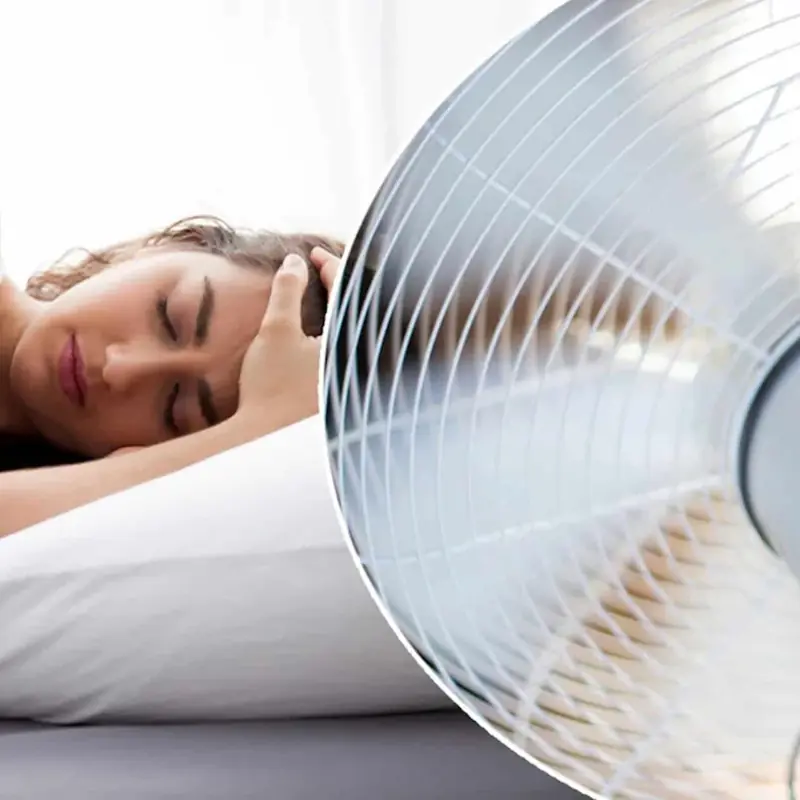
Sleeping with a fan may also affect breathing patterns, especially for those with pre-existing respiratory conditions. The movement of air can dry out airways and potentially aggravate conditions like sinus infections or bronchitis.
Additionally, individuals who breathe through their mouths during sleep may experience increased throat dryness when exposed to continuous airflow.
Are Fans Dangerous?
Experts emphasize that fans are not inherently harmful. For most healthy individuals, using a fan at night is generally safe. The risks tend to be mild and depend on individual sensitivity and environmental conditions.
However, certain groups—including people with allergies, asthma, or chronic sinus issues—may need to be more cautious.
How to Use a Fan More Safely
For those who prefer sleeping with a fan, simple adjustments can help reduce potential downsides:
-
Avoid direct airflow: Position the fan so it circulates air indirectly rather than blowing directly on the body
-
Keep the room clean: Regularly dust and vacuum to minimize airborne allergens
-
Use a timer: Turn the fan off after falling asleep to reduce prolonged exposure
-
Maintain humidity: Consider using a humidifier if the air becomes too dry
These steps can help balance comfort with health considerations.
Alternatives to Sleeping With a Fan
If fan use causes discomfort, alternatives may include:
-
Air conditioning with controlled temperature settings
-
Breathable bedding materials
-
Improved room ventilation
Each option can help maintain a comfortable sleeping environment without some of the drawbacks associated with fans.
Conclusion
Sleeping with a fan on at night is a common habit that offers comfort and convenience. However, it is not without potential drawbacks. From dryness and allergies to muscle stiffness, the effects can vary depending on individual sensitivity.
Rather than avoiding fans entirely, experts recommend mindful use. By adjusting positioning and maintaining a clean environment, individuals can enjoy the benefits of a fan while minimizing potential risks. Ultimately, creating a healthy sleep environment is about finding the right balance for your body and needs.