For many people, sharing a bed is seen as a symbol of intimacy and connection. However, a growing number of couples over the age of 50 are choosing to sleep separately—and not because of relationship problems. Contrary to common assumptions, experts say this trend is often driven by practical health and lifestyle factors rather than emotional distance.
The Changing Nature of Sleep With Age
As people age, their sleep patterns naturally change. Older adults are more likely to experience lighter sleep, frequent awakenings, and increased sensitivity to noise and movement.
These changes can make it more difficult for two individuals with different sleep habits to rest comfortably in the same bed. Even minor disturbances—such as tossing, turning, or getting up during the night—can significantly impact sleep quality.
The Role of Snoring and Sleep Disorders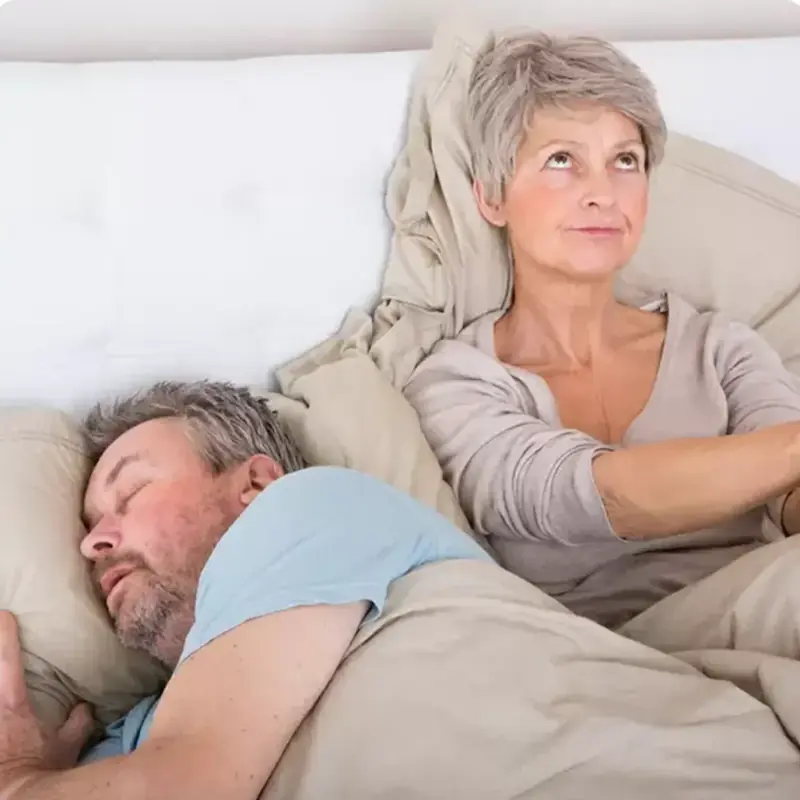
One of the most common reasons couples begin sleeping separately is snoring. Snoring can disrupt a partner’s sleep, leading to fatigue and frustration over time.
In some cases, snoring may be linked to sleep apnea, a condition that causes interrupted breathing during sleep. This not only affects the person with the condition but also disturbs their partner.
Separate sleeping arrangements can help both individuals achieve better rest while allowing one partner to seek appropriate medical treatment.
Different Sleep Schedules
Another key factor is differing sleep schedules. As couples age, their routines may diverge due to work, retirement, or personal habits.
One partner may prefer going to bed early, while the other stays up later. These differences can lead to repeated disruptions, making it harder for both individuals to maintain consistent sleep cycles.
Sleeping separately allows each person to follow their own schedule without affecting the other.
Health Conditions and Comfort Needs
Chronic health conditions become more common with age and can influence sleep preferences. Issues such as back pain, arthritis, or temperature sensitivity may require specific sleeping environments.
For example:
-
One partner may need a firmer mattress
-
Another may prefer additional pillows or warmer bedding
-
Some individuals may require medical devices or frequent movement
Separate sleeping arrangements can accommodate these needs more effectively.
Debunking the Relationship Myth
A common misconception is that couples who sleep separately are experiencing relationship problems. However, research suggests the opposite may be true.
By improving sleep quality, couples may experience better moods, increased patience, and improved communication during the day. In this sense, sleeping separately can actually strengthen a relationship rather than weaken it.
Experts emphasize that emotional connection is not defined solely by sharing a bed.
The Rise of “Sleep Divorce”
The term “sleep divorce” has emerged to describe this growing trend. While the name may sound dramatic, it simply refers to couples choosing separate sleeping arrangements to improve rest.
Surveys indicate that a significant number of couples report better sleep and overall satisfaction after making this change.
Importantly, many couples still maintain closeness through shared routines, such as spending time together before bed or in the morning.
Benefits of Better Sleep
Quality sleep plays a critical role in overall health. Poor sleep has been linked to a range of issues, including:
-
Increased stress and irritability
-
Reduced cognitive function
-
Higher risk of chronic conditions
By prioritizing rest, individuals can improve both physical and mental well-being.
Finding What Works for Each Couple
There is no one-size-fits-all approach to sleeping arrangements. Some couples prefer separate beds in the same room, while others choose different rooms entirely.
The key is open communication and mutual understanding. Couples who discuss their needs and preferences are more likely to find a solution that works for both partners.
Conclusion
The decision for couples over 50 to sleep separately is often rooted in practical considerations rather than emotional distance. From snoring and health conditions to differing schedules, many factors can influence sleep quality.
Rather than signaling a problem, this shift reflects a growing awareness of the importance of rest. By prioritizing sleep, couples may ultimately improve both their health and their relationship—proving that sometimes, a little space at night can lead to greater harmony during the day.