Sitting with legs crossed is a posture commonly associated with women across many cultures. It often appears natural, effortless, and even elegant. But have you ever wondered why so many women adopt this sitting position? The answer isn’t just about habit - it involves a mix of social norms, comfort, psychology, and even biology.
Understanding this behavior reveals how deeply posture can be influenced by both internal preferences and external expectations.
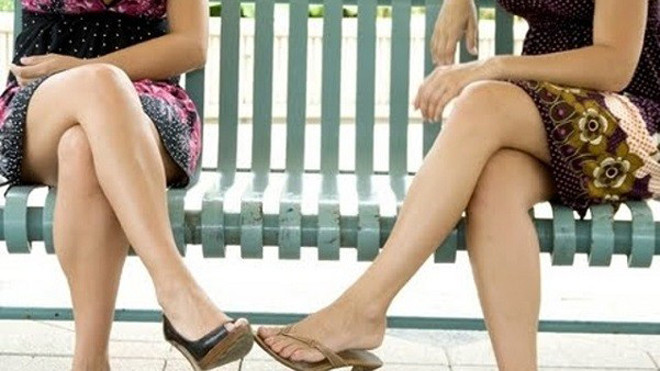
1. Social and Cultural Influences
One of the strongest reasons behind this habit is social conditioning.
From a young age, many girls are taught to sit “properly,” especially in formal or public settings. Crossing the legs is often associated with:
-
Politeness
-
Modesty
-
Femininity
In many cultures, sitting with legs apart may be perceived as too casual or even inappropriate for women. As a result, crossing the legs becomes a socially accepted and reinforced posture.
👉 Over time, this behavior becomes automatic—something done without conscious thought.
2. A Sense of Modesty and Self-Presentation
Closely related to cultural norms is the idea of modesty and body language.
Crossing the legs can:
-
Create a more closed and composed posture
-
Help women feel more secure in how they present themselves
-
Reduce exposure, especially when wearing skirts or dresses
This posture can act as a subtle form of self-protection and control over personal space.
3. Comfort and Habit
For many women, crossing their legs simply feels comfortable.
Once a posture is repeated frequently, the body adapts to it. Muscles and joints become accustomed to certain positions, making them feel more natural over time.
👉 In some cases, sitting with legs uncrossed may even feel awkward because the body is so used to the alternative.
4. Body Structure and Flexibility
There are also biological and anatomical factors that may contribute.
Women often have:
-
A wider pelvis
-
Different hip alignment compared to men
These structural differences can make certain sitting positions, including leg crossing, feel more balanced or stable.
Additionally, flexibility in the hips and thighs can make it easier for some women to maintain this posture comfortably.
5. Psychological and Emotional Signals
Body language often reflects inner states. Sitting with legs crossed can communicate:
-
Calmness
-
Confidence
-
Relaxation
-
Or sometimes defensiveness
In some situations, crossing the legs may serve as a subtle barrier, signaling a desire for personal space or emotional comfort.
👉 It’s not always about intention—often, it’s an unconscious response to the environment.
6. Influence of Fashion and Environment
Clothing plays a significant role in posture choices.
For example:
-
Wearing skirts or dresses may naturally encourage leg crossing
-
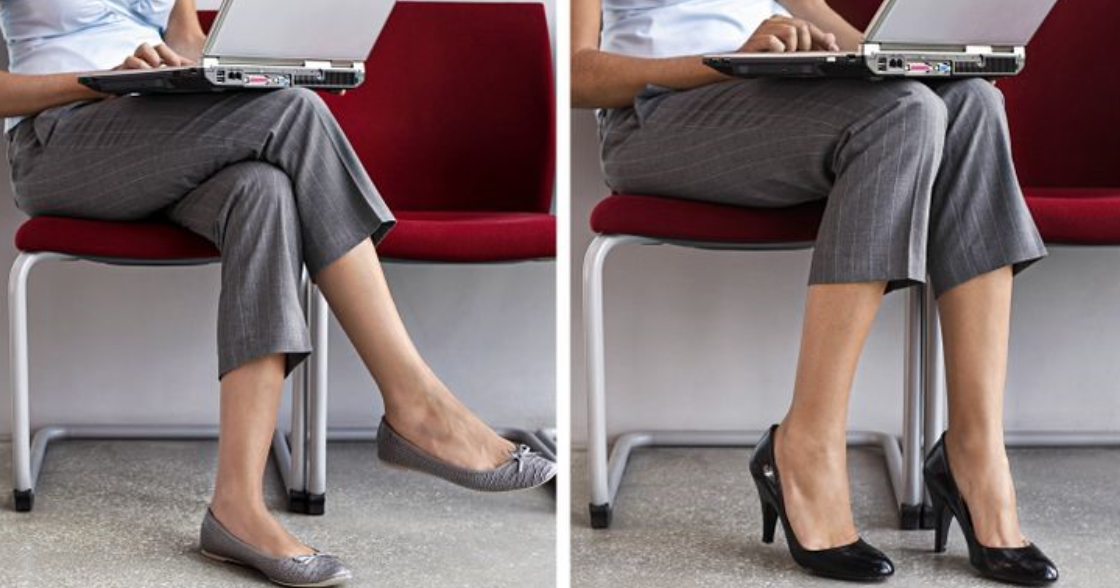
High heels can shift posture and make certain sitting positions more comfortable
-
Formal environments often promote more “refined” body language
👉 The way people dress can directly influence how they sit.
7. Is It Always Healthy?
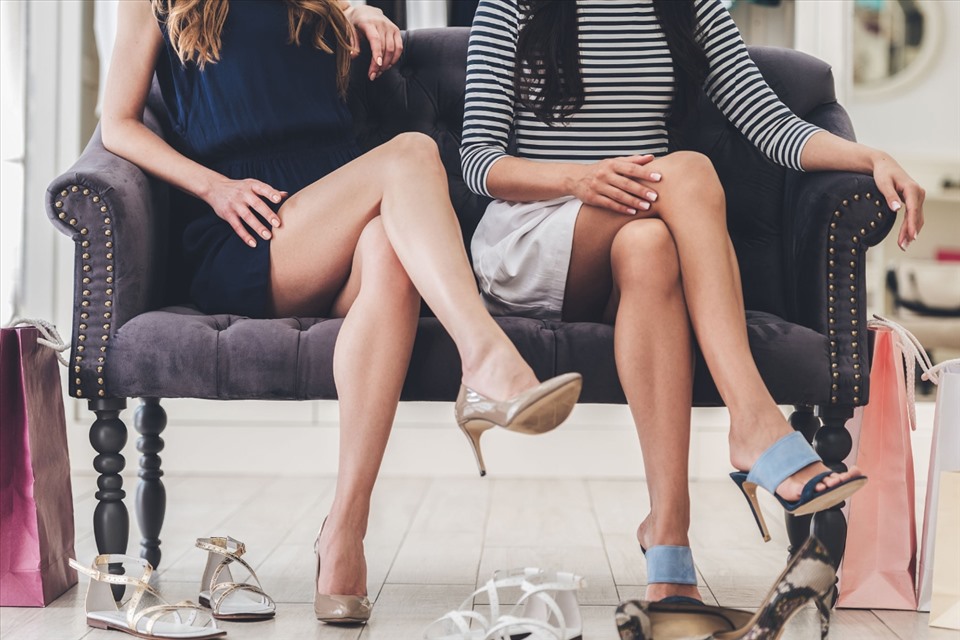
While crossing the legs occasionally is generally harmless, sitting this way for long periods may have some downsides.
Possible concerns include:
-
Reduced blood circulation
-
Increased pressure on joints
-
Potential impact on posture over time
However, these effects are usually minor unless the position is maintained for extended periods without movement.
👉 The key is balance—changing positions regularly is important for overall health.
Final Thoughts
Sitting with legs crossed is more than just a simple habit. It reflects a combination of culture, comfort, body structure, and personal expression.
For many women, it feels natural because it has been shaped by years of social influence and physical adaptation. While it can convey elegance and composure, it’s also important to remain mindful of posture and movement.
At the end of the day, the way someone sits is a personal choice—one shaped by both the body and the world around it.