
Bulging Veins Are a Warning Sign — Make Sure to Share This
Spotting Bulging Veins? Here’s What to Tell That Person
8 Signs of Kidney Failure That, If Ignored, May Require Lifelong Dialysis
By the time kidney failure is diagnosed, the damage may already be severe—sometimes irreversible.
Understanding these early signals is critical. Ignoring them could mean permanent kidney damage and a lifetime of dialysis. Below are eight important warning signs that should never be overlooked.

Pain near the lower back, sides, or just below the ribs can signal kidney stress. Unlike muscle pain, kidney-related pain often feels deep, dull, and constant, sometimes radiating toward the abdomen or groin.
This discomfort may worsen at night or remain unchanged by movement. Chronic kidney inflammation, infections, or obstruction can all cause this type of pain.
Healthy kidneys remove excess fluid from the body. When they fail, fluid builds up, leading to swelling—especially in the lower limbs.
Shoes may feel tighter, socks may leave deep marks, and swelling often worsens by evening. Persistent edema is one of the most common early signs of kidney failure.
Any noticeable change in urination deserves attention. Warning signs include:
Urinating more or less frequently
Foamy or bubbly urine
Dark, cloudy, or bloody urine
Difficulty urinating or weak urine flow
Foamy urine may indicate protein leakage, a strong sign that kidney filters are damaged.
When kidneys fail, toxins accumulate in the bloodstream. This leads to chronic fatigue, weakness, and difficulty concentrating.
Additionally, damaged kidneys produce less erythropoietin, a hormone that helps make red blood cells. Low levels can cause anemia, making exhaustion persistent even after rest.
Severe, unexplained itching—especially on the legs and feet—can be a sign of advanced kidney dysfunction.
When kidneys cannot balance minerals properly, waste products build up in the blood, irritating nerve endings and skin. Unlike common dry skin, this itching often doesn’t respond to lotions or hydration.
Digestive symptoms are common but frequently ignored. Kidney failure can cause:
Constant nausea
Vomiting without clear cause
Metallic taste in the mouth
Sudden loss of appetite
These symptoms occur because toxins affect the digestive system and brain. Over time, this may lead to unintended weight loss and malnutrition.
Breathing difficulties may appear when fluid accumulates in the lungs or when anemia reduces oxygen delivery to tissues.
Shortness of breath during minimal activity—or even at rest—can signal advanced kidney damage and should be treated as an urgent warning.
Kidney failure affects the nervous system. Many people experience:
Insomnia
Restless legs
Poor memory
Difficulty focusing
Toxin buildup disrupts normal brain function, leading to confusion, sleep disturbances, and reduced mental clarity.
Kidney disease is often called a “silent killer” because early symptoms can be mild. Unfortunately, kidneys do not regenerate easily. Once damage progresses to end-stage kidney failure, dialysis or transplant becomes the only option.
Dialysis is life-sustaining but demanding, requiring multiple treatments each week—often for life.
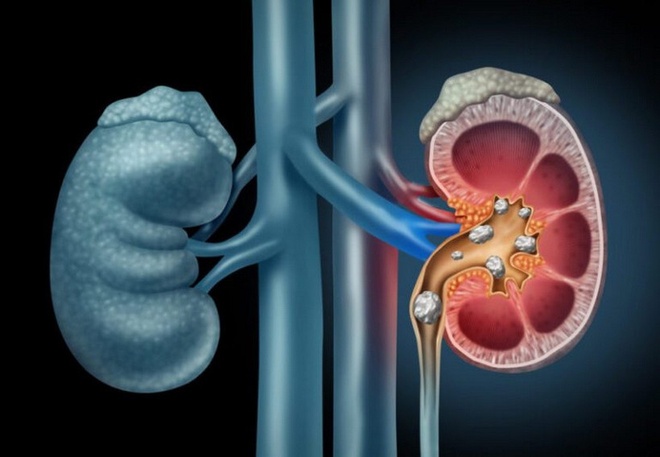
You should consult a healthcare professional immediately if:
Multiple symptoms appear together
Symptoms worsen over time
Swelling, fatigue, or urination changes persist
Simple blood and urine tests can detect kidney problems early—when treatment can still slow or stop progression.
Your kidneys work silently every day to keep your body balanced and toxin-free. When they begin to fail, the signs are there—you just have to listen.
Paying attention to these warning signals today could prevent dialysis tomorrow. Early action doesn’t just protect your kidneys—it protects your future.

Spotting Bulging Veins? Here’s What to Tell That Person

A recent medical case has raised serious concerns among health professionals after 8 out of 14 members of the same family were diagnosed with three different types of cancer over several years.

Doctor points out that eating macadamia nuts may lead to

Kidney disease is no longer a condition seen only in older adults.

3 Things That Don’t Pair Well with Eggs—Here’s Why

3 Intimate Habits of Husbands That May Increase Wives’ Risk of Cervical Can.cer: Stop Before It’s Too Late

Non-alcoholic fatty liver disease (NAFLD), also called metabolic dysfunction-associated steatotic liver disease (MASLD), is a common condition where excess fat builds up in the liver.

Ginger is celebrated worldwide as a natural super-ingredient — a root known for easing nausea, reducing inflammation, and boosting the immune system. But what most people don’t realize is that ginger isn’t suitable for everyone.

In recent years, health experts have raised growing concerns about certain everyday beverages that may significantly increase the risk of cancer when consumed regularly.

Rice is one of the most basic foods in the world.

In today’s fast-paced world, storing leftovers in the refrigerator has become a common habit. However, not all foods are safe to keep overnight or reheat the next day.

Bananas are undeniably nutritious. They’re convenient, naturally sweet, and packed with vitamins and minerals.

Coconut Water and Your Kidneys: What You Need to Know

In an era where aging is often associated with fatigue and declining health, the story of an 82-year-old female professor who continues to work actively and maintain remarkable mental clarity has drawn widespread attention.

Contemporary medical research is increasingly highlighting the profound impact of targeted nutritional interventions, oral hygiene, and environmental factors on long-term wellness.

Contemporary health research is increasingly uncovering how specific dietary interventions and environmental factors can profoundly impact systemic well-being.

With his most recent video, Moldovan physician Dr. Viktor Ivanovik—who has over 1M TikTok followers—sparked a major discussion about the possible risks of kissing departed loved ones goodbye.

Waking up in the middle of the night to use the bathroom happens to almost everyone at some point.

Are you feeling a constant tingling in your fingers, or a burning sensation in your feet that just won’t go away?

Spotting Bulging Veins? Here’s What to Tell That Person

Unlock the Secret Benefits of Cauliflower: 8 Reasons to Eat More

7 simple beauty solutions using coconut oil

A recent medical case has raised serious concerns among health professionals after 8 out of 14 members of the same family were diagnosed with three different types of cancer over several years.

Doctor points out that eating macadamia nuts may lead to

Kidney disease is no longer a condition seen only in older adults.

3 Things That Don’t Pair Well with Eggs—Here’s Why

3 Intimate Habits of Husbands That May Increase Wives’ Risk of Cervical Can.cer: Stop Before It’s Too Late

Non-alcoholic fatty liver disease (NAFLD), also called metabolic dysfunction-associated steatotic liver disease (MASLD), is a common condition where excess fat builds up in the liver.

Ginger is celebrated worldwide as a natural super-ingredient — a root known for easing nausea, reducing inflammation, and boosting the immune system. But what most people don’t realize is that ginger isn’t suitable for everyone.

In recent years, health experts have raised growing concerns about certain everyday beverages that may significantly increase the risk of cancer when consumed regularly.

Rice is one of the most basic foods in the world.

In today’s fast-paced world, storing leftovers in the refrigerator has become a common habit. However, not all foods are safe to keep overnight or reheat the next day.

Bananas are undeniably nutritious. They’re convenient, naturally sweet, and packed with vitamins and minerals.

Coconut Water and Your Kidneys: What You Need to Know

In an era where aging is often associated with fatigue and declining health, the story of an 82-year-old female professor who continues to work actively and maintain remarkable mental clarity has drawn widespread attention.

Contemporary medical research is increasingly highlighting the profound impact of targeted nutritional interventions, oral hygiene, and environmental factors on long-term wellness.

Contemporary health research is increasingly uncovering how specific dietary interventions and environmental factors can profoundly impact systemic well-being.

With his most recent video, Moldovan physician Dr. Viktor Ivanovik—who has over 1M TikTok followers—sparked a major discussion about the possible risks of kissing departed loved ones goodbye.