Neck pain is something many people experience at some point in their lives. It’s often blamed on poor posture, long hours at a desk, or even sleeping in the wrong position. But sometimes, neck discomfort can signal something more serious - cervical disc herniation.
This condition occurs when one of the discs in the cervical spine (the neck region) becomes damaged and presses on nearby nerves or the spinal cord. While some cases are mild, others can lead to significant pain, nerve damage, and even long-term complications if not treated promptly.
Understanding the warning signs that require immediate attention is crucial for protecting your health and preventing further injury.
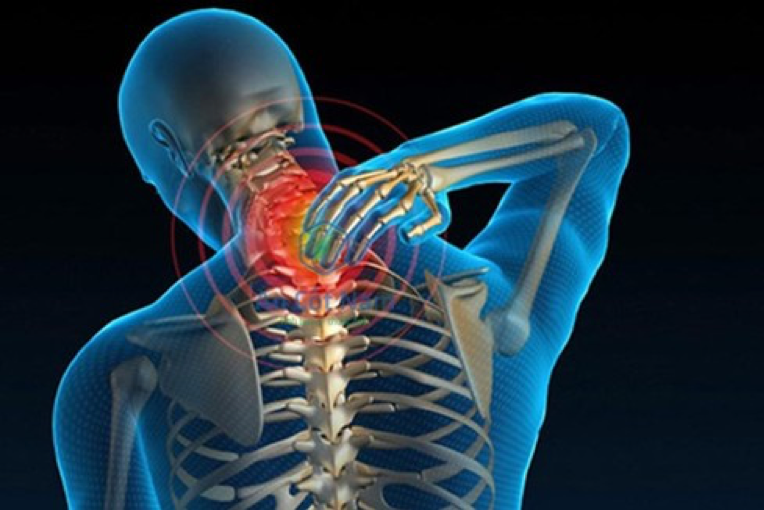
What Is Cervical Disc Herniation?
The cervical spine consists of seven vertebrae separated by soft, gel-like discs that act as cushions. These discs allow flexibility and absorb shock.
When a disc becomes herniated (or “slipped”), its inner material pushes outward and may compress surrounding nerves. This pressure can disrupt normal nerve function, leading to pain, weakness, or other neurological symptoms.
Why Early Recognition Matters
Cervical disc herniation doesn’t always start with severe pain. In many cases, symptoms begin gradually and worsen over time. Ignoring early warning signs can lead to:
-
Chronic pain
-
Nerve damage
-
Reduced mobility
-
In severe cases, loss of function
👉 Acting early can prevent complications and improve recovery outcomes.
Key Symptoms That Require Immediate Attention
1. Persistent Neck Pain
The most common symptom is ongoing neck pain that doesn’t improve with rest.
What to notice:
-
Pain that lasts for days or weeks
-
Stiffness or difficulty turning your head
-
Pain that worsens with movement
👉 If neck pain becomes constant or severe, it should not be ignored.
2. Pain Radiating to Shoulders and Arms
When a herniated disc presses on nerves, pain may travel beyond the neck.
You may feel:
-
Sharp or burning pain in the shoulders
-
Pain extending down the arm
-
Discomfort that worsens when coughing or sneezing
👉 This type of radiating pain is a strong indicator of nerve involvement.
3. Numbness or Tingling
A “pins and needles” sensation in the arms, hands, or fingers can signal nerve compression.
Common signs include:
-
Tingling in specific fingers
-
Loss of sensation
-
Unusual numbness that comes and goes
👉 This is a neurological symptom and should be evaluated promptly.
4. Muscle Weakness
Weakness in the arms or hands may develop if nerve signals are disrupted.
You might notice:
-
Difficulty lifting objects
-
Reduced grip strength
-
Trouble performing everyday tasks
👉 Muscle weakness is a serious sign that requires medical attention.
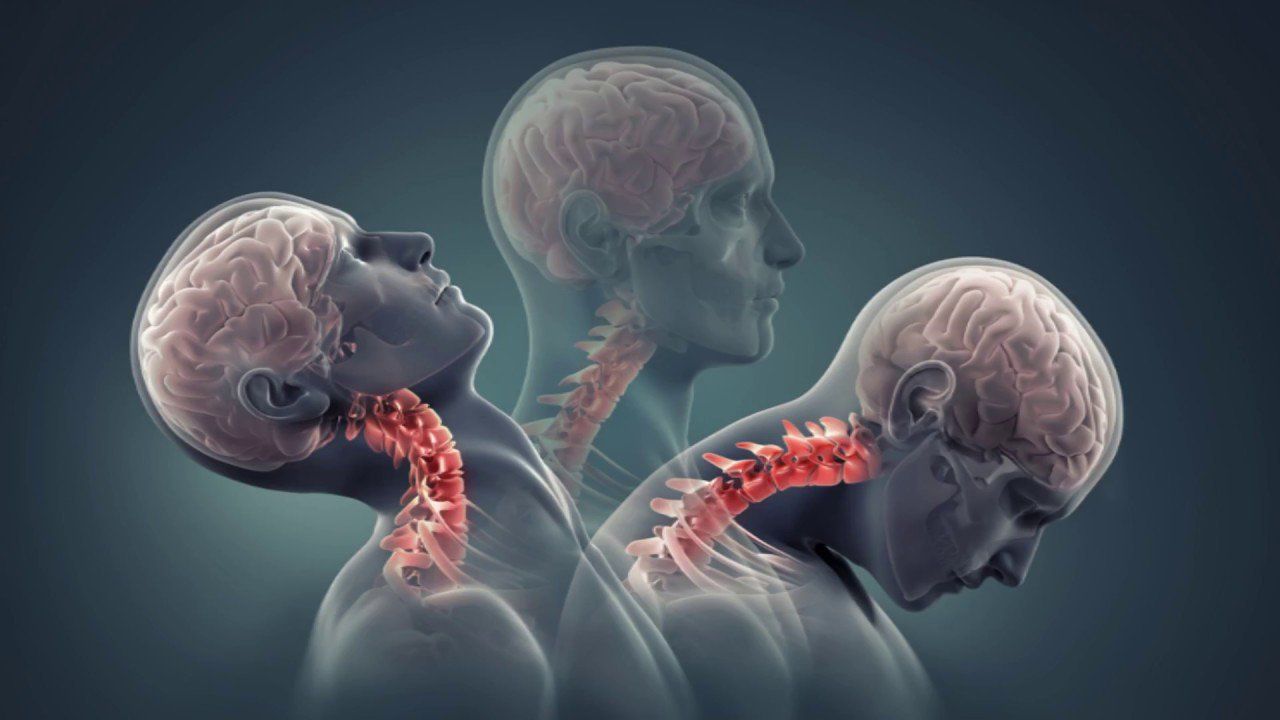
5. Reduced Range of Motion
You may find it difficult to move your neck freely.
Symptoms include:
-
Stiffness
-
Limited ability to turn or tilt your head
-
Pain when attempting certain movements
6. Headaches (Especially at the Back of the Head)
Cervical disc problems can trigger headaches, particularly at the base of the skull.
These headaches may:
-
Feel like pressure or tension
-
Radiate from the neck upward
-
Worsen with neck movement
7. Loss of Coordination or Balance
In more serious cases, compression of the spinal cord can affect coordination.
Warning signs include:
-
Difficulty walking steadily
-
Loss of balance
-
Clumsiness in hand movements
👉 This is a critical symptom and requires immediate medical evaluation.
8. Difficulty with Fine Motor Skills
Tasks that require precision may become harder.
Examples:
-
Buttoning a shirt
-
Writing
-
Using small objects
👉 This may indicate advanced nerve involvement.
9. Severe or Sudden Pain
A sudden increase in pain intensity—especially after an injury or strain—should never be ignored.
👉 This could indicate worsening disc damage.
What Causes Cervical Disc Herniation?
Several factors can contribute to this condition:
-
Aging and natural wear and tear
-
Poor posture (especially from prolonged screen use)
-
Repetitive strain or heavy lifting
-
Injury or trauma
-
Sedentary lifestyle

When Should You Seek Immediate Medical Help?
You should seek medical attention immediately if you experience:
-
Persistent or worsening neck pain
-
Numbness or tingling in the arms or hands
-
Muscle weakness
-
Loss of balance or coordination
-
Difficulty performing daily tasks
👉 Early diagnosis often leads to better outcomes and may prevent the need for surgery.
Can It Be Treated?
Yes, many cases of cervical disc herniation can be managed with:
-
Physical therapy
-
Medication to reduce pain and inflammation
-
Lifestyle changes and posture correction
In more severe cases, surgical intervention may be necessary.
Final Thoughts
Cervical disc herniation is not something to ignore. What may start as mild discomfort can progress into serious neurological problems if left untreated.
Your body often gives warning signs—pain, numbness, weakness—before the condition becomes severe.
Listen to those signals. Acting early can protect your mobility, reduce pain, and prevent long-term complications.
Because when it comes to spinal health, early attention isn’t optional - it’s essential.