
Cook Rice Like a Pro with This One Tip
Rice is one of the most basic foods in the world.
Health 20/03/2026 12:32
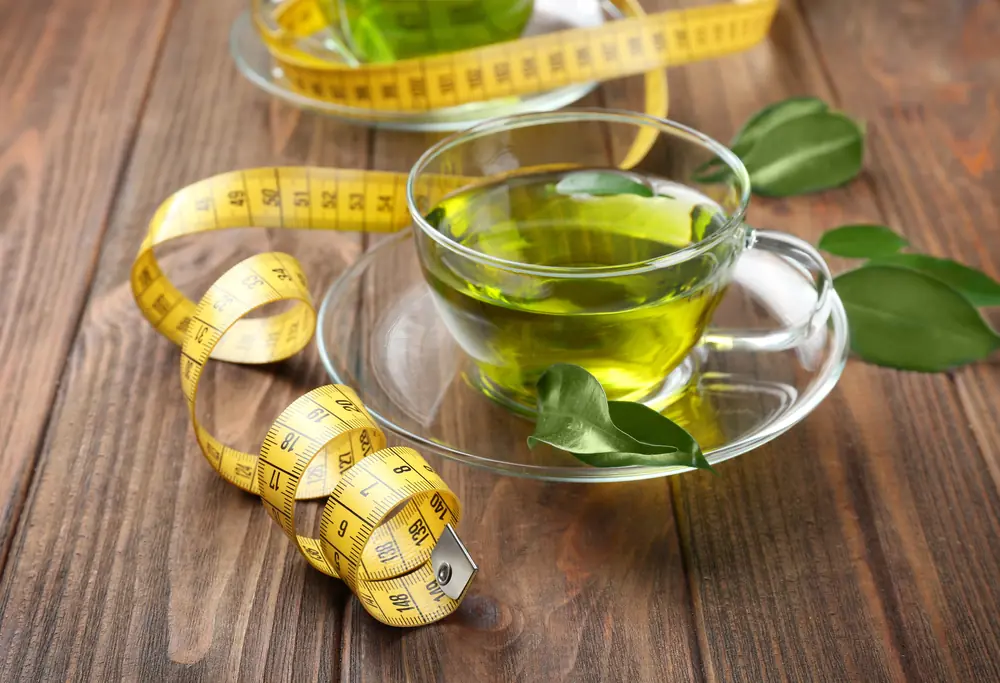
A study conducted by Huashan Hospital, affiliated with Fudan University in China, and published in the international journal Nature, has highlighted the real benefits of the habit of drinking tea.
According to the study, researchers tracked more than 370,000 people over nine years and found that those who regularly drink tea may reduce their risk of developing dementia by 16% compared to non-tea drinkers. The study also suggested that the optimal daily intake is three cups of tea (approximately 250 ml per cup).
Another study by experts from the University of Milan (Italy), published in the British Journal of Cancer, also pointed out the positive effects of tea consumption. By analyzing and comparing data between frequent tea drinkers and those who rarely drink tea, researchers found that regular tea drinkers have a lower risk of stomach cancer.
In addition, a 2020 study published in Advances in Nutrition showed that tea may help protect against various cancers, including stomach, colorectal, bile duct, liver, and especially oral cancer.
Meanwhile, the American Journal of Clinical Nutrition analyzed data from over 500,000 adults and found that people who drink tea daily may reduce their risk of diabetes by 8%. For those already diagnosed with diabetes, drinking green tea may also lower the risk of death from all causes.
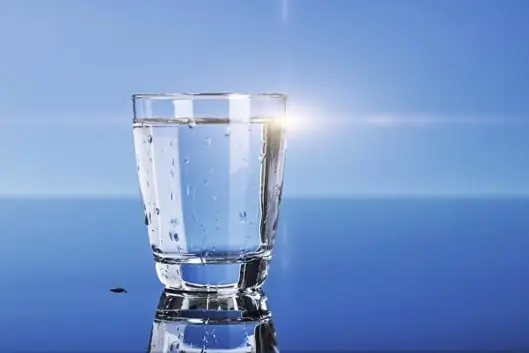
A study by the U.S. National Institutes of Health, published in the medical journal eBioMedicine, found that people who drink enough water tend to show fewer signs of aging and have a lower risk of chronic diseases, thereby potentially extending their lifespan.
Researchers used health data from 11,255 individuals aged 40–50 at the beginning of the study and followed them for 30 years. By the time the results were evaluated, the participants had reached an average age of 76.
The study specifically examined participants’ hydration habits through their blood sodium levels. Generally, the more water a person drinks, the lower their sodium levels.
The results showed that individuals with blood sodium levels higher than 142 mmol/L (a sign of inadequate hydration) were biologically up to 50% older than their actual age. At the same time, they had a 64% higher risk of chronic diseases such as heart failure, stroke, atrial fibrillation, peripheral artery disease, chronic lung disease, diabetes, and dementia compared to those with sodium levels between 137–142 mmol/L.
A large-scale study lasting 25 years, involving nearly 16,000 participants and recently published by the U.S. National Heart, Lung, and Blood Institute (NHLBI), reported similar findings. Specifically, adults who consistently drink enough water tend to be healthier, have fewer chronic illnesses, and live longer than those who do not drink enough water.
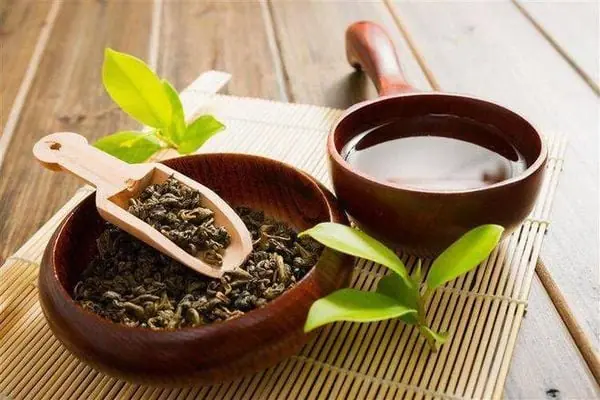
Based on these studies, both drinking tea and maintaining adequate water intake provide significant health benefits. However, many health experts believe that water is better than tea, mainly because it does not contain caffeine, sugar, or other additives.
Drinking plenty of water not only helps maintain proper hydration but also allows minerals such as calcium and magnesium to be absorbed into the bloodstream and distributed throughout the body. This supports nutrient absorption, strengthens the heart and bones, and accelerates cellular metabolism, helping all organs function properly.
If you are a regular tea drinker, you can still increase your water intake. However, tea should not completely replace water, as many types of tea may contain added flavors or sugar. Excessive consumption can lead to unwanted health effects.
In addition, the caffeine in tea has a diuretic effect, which may lead to dehydration. Polyphenols in tea can also interfere with iron absorption, so it is not advisable to rely solely on tea without drinking water in your daily life.
Rice is one of the most basic foods in the world.

In today’s fast-paced world, storing leftovers in the refrigerator has become a common habit. However, not all foods are safe to keep overnight or reheat the next day.

Bananas are undeniably nutritious. They’re convenient, naturally sweet, and packed with vitamins and minerals.
Coconut Water and Your Kidneys: What You Need to Know

In an era where aging is often associated with fatigue and declining health, the story of an 82-year-old female professor who continues to work actively and maintain remarkable mental clarity has drawn widespread attention.
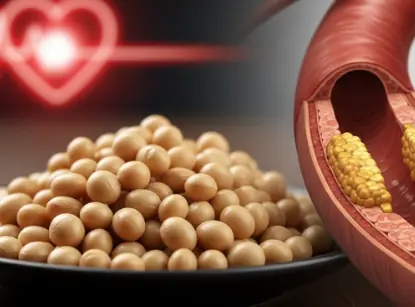
Contemporary medical research is increasingly highlighting the profound impact of targeted nutritional interventions, oral hygiene, and environmental factors on long-term wellness.

Contemporary health research is increasingly uncovering how specific dietary interventions and environmental factors can profoundly impact systemic well-being.

With his most recent video, Moldovan physician Dr. Viktor Ivanovik—who has over 1M TikTok followers—sparked a major discussion about the possible risks of kissing departed loved ones goodbye.

Kidney failure rarely happens overnight. In most cases, the body sends clear warning signs months or even years in advance.

Waking up in the middle of the night to use the bathroom happens to almost everyone at some point.
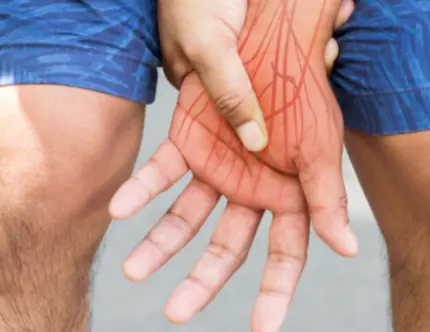
Are you feeling a constant tingling in your fingers, or a burning sensation in your feet that just won’t go away?

Snake bites are frightening, sudden, and potentially deadly.

In recent years, cancer has become one of the leading causes of death worldwide.

Early signs of cervical disc herniation you need to pay attention to

5 Fruits You Probably Eat Too Much of—And That Could Increase Cancer Risk

10 possible signs of dia.betes you should watch for

Want to Live Longer? A U.S. Doctor Shares 6 Easy Exercises Anyone Can Do at Home

Signs your body gives when your thyroid is not working as it should

Don’t Ignore These 6 Early Indicators of Colon Cancer
In today’s fast-paced world, storing leftovers in the refrigerator has become a common habit. However, not all foods are safe to keep overnight or reheat the next day.
Bananas are undeniably nutritious. They’re convenient, naturally sweet, and packed with vitamins and minerals.
Coconut Water and Your Kidneys: What You Need to Know
In an era where aging is often associated with fatigue and declining health, the story of an 82-year-old female professor who continues to work actively and maintain remarkable mental clarity has drawn widespread attention.
Contemporary medical research is increasingly highlighting the profound impact of targeted nutritional interventions, oral hygiene, and environmental factors on long-term wellness.
Contemporary health research is increasingly uncovering how specific dietary interventions and environmental factors can profoundly impact systemic well-being.
With his most recent video, Moldovan physician Dr. Viktor Ivanovik—who has over 1M TikTok followers—sparked a major discussion about the possible risks of kissing departed loved ones goodbye.
Kidney failure rarely happens overnight. In most cases, the body sends clear warning signs months or even years in advance.
Waking up in the middle of the night to use the bathroom happens to almost everyone at some point.
Are you feeling a constant tingling in your fingers, or a burning sensation in your feet that just won’t go away?
Snake bites are frightening, sudden, and potentially deadly.
In recent years, cancer has become one of the leading causes of death worldwide.
Early signs of cervical disc herniation you need to pay attention to
5 Fruits You Probably Eat Too Much of—And That Could Increase Cancer Risk
10 possible signs of dia.betes you should watch for
Want to Live Longer? A U.S. Doctor Shares 6 Easy Exercises Anyone Can Do at Home
Signs your body gives when your thyroid is not working as it should
Don’t Ignore These 6 Early Indicators of Colon Cancer
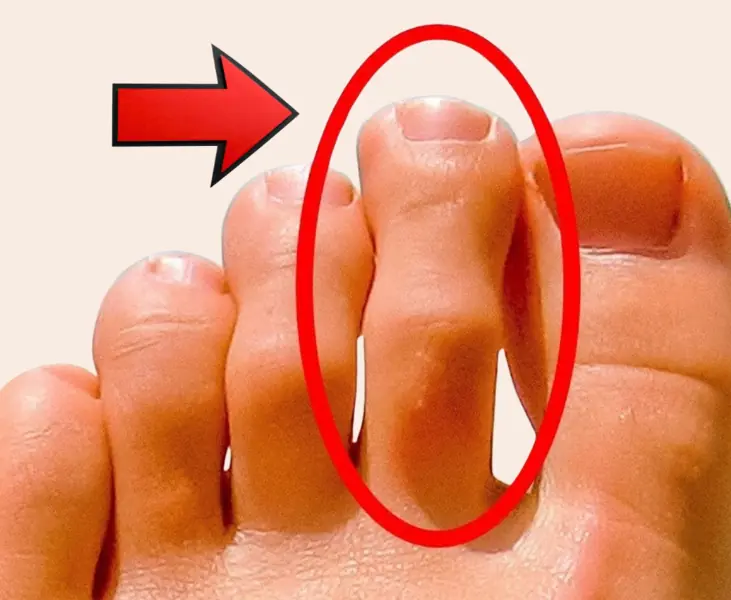
8 signs your body may be in trouble and asking for help