Muscle Pain Behind the Knee Could Signal Something Serious
That Pain Behind Your Knee Could Be More Serious Than You Think
Almost every household knows how to cook it, and most people believe the process is simple: add rice, add water, turn on the heat, and wait. However, if you have ever wondered why rice served in hotels or restaurants often tastes fluffier, cleaner, and more fragrant, the answer lies in a few small but important differences.
Hotels do not cook rice randomly. They follow methods designed to improve texture, flavor, and food safety.
When rice is harvested, processed, packaged, and transported, it can collect:
Excess surface starch
Dust and impurities
Trace residues from processing
If rice is cooked immediately without proper preparation, these substances remain. This often leads to:
Sticky or mushy rice
Cloudy cooking water
Uneven texture
A dull taste
This is why “just adding water” is not the best approach.
Hotels focus on three key steps before and during cooking.
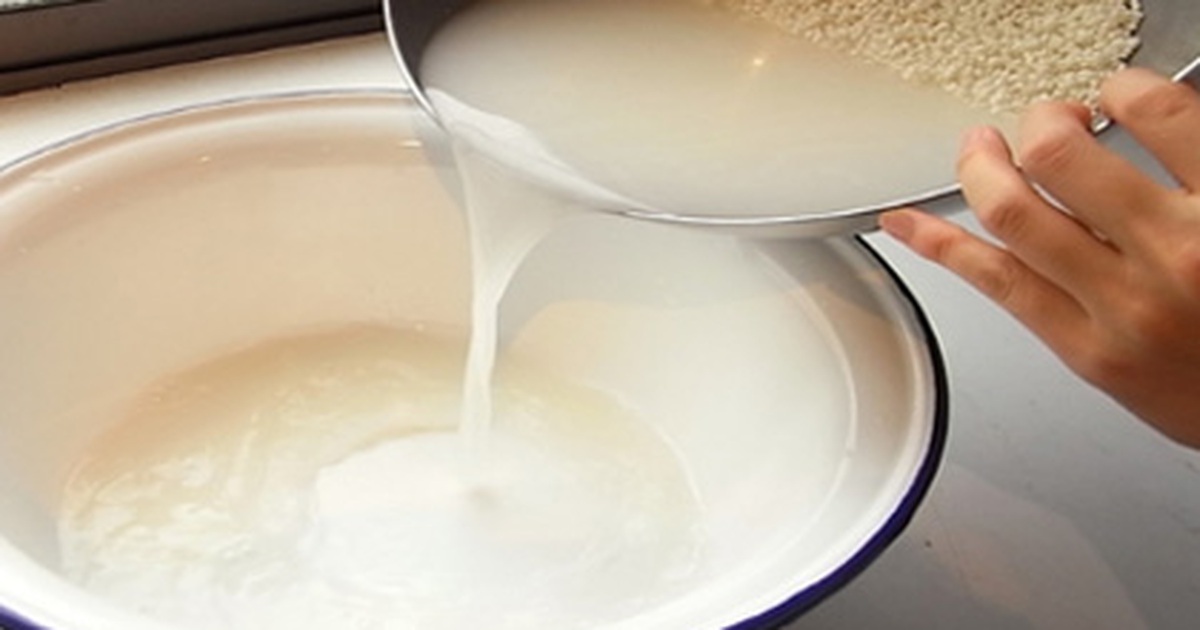
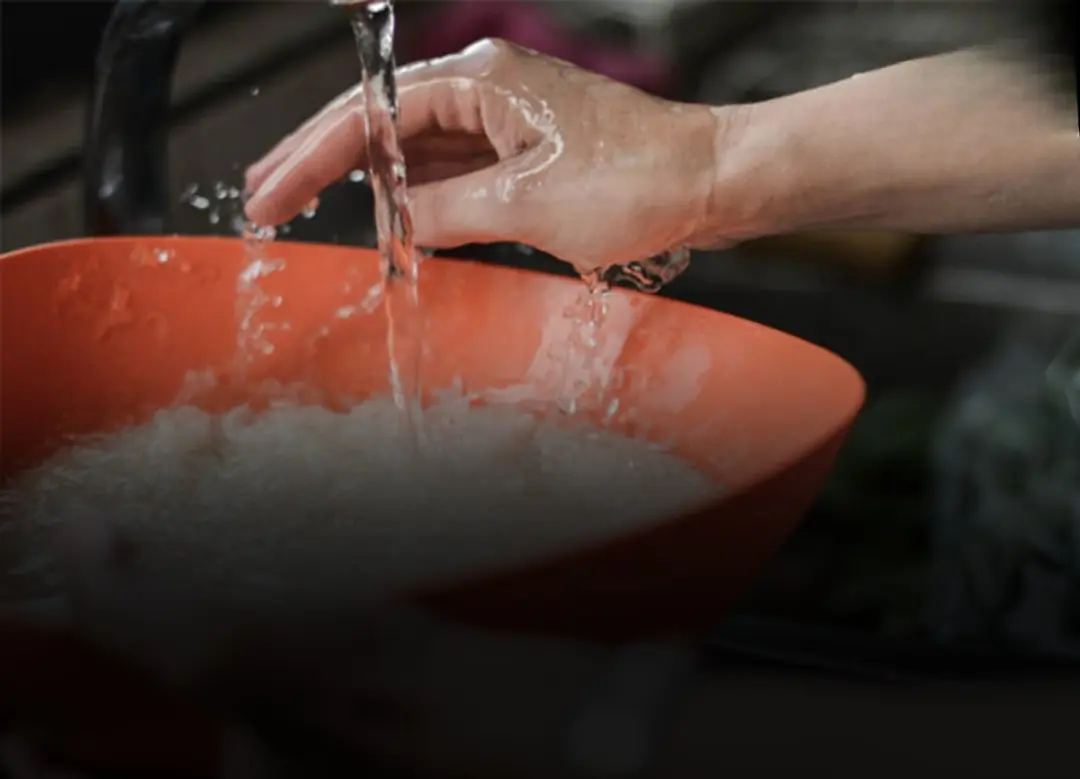
Professional kitchens always rinse rice before cooking. However, they do it the right way.
Instead of aggressively rubbing the grains, they:
Rinse rice 2–3 times
Swirl gently and drain the water
Stop once the water becomes mostly clear
This removes excess starch without breaking the grains. The result is rice that cooks evenly and remains fluffy instead of gummy.
This is one step many home cooks skip.
Hotels often soak rice for 20–30 minutes before cooking. Soaking allows the grains to absorb water gradually, which:
Shortens cooking time
Helps rice cook evenly from the inside
Improves texture
Reduces the risk of undercooked centers
For long-grain rice like jasmine or basmati, soaking also enhances aroma and grain separation.
Hotels do not rely on guesswork.
They adjust water levels based on:
Rice variety
Age of the rice
Cooking equipment
For example:
Jasmine rice usually needs about 1:1.2–1.5 rice-to-water ratio
Basmati rice often requires less water after soaking
Using too much water can make rice soggy, while too little can leave it hard and uneven.
Contrary to popular myths, hotels do not secretly add chemicals or harmful substances.
In some cases, they may add:
A small amount of oil or butter to prevent sticking
A pinch of salt for flavor balance
These additions are minimal and used for consistency, not deception.
The difference is not about expensive ingredients. It comes down to:
Better preparation
Patience
Consistency
Washing removes excess starch. Soaking improves hydration. Precise water control ensures even cooking. Together, these steps create rice that looks better, tastes cleaner, and feels lighter.
Yes, especially for:
Packaged white rice
Imported rice
Rice stored for long periods
Washing reduces surface starch and improves final texture. However, rice should not be washed excessively, as over-washing may remove some water-soluble nutrients.

Measure the rice
Rinse gently 2–3 times
Soak for 20 minutes
Drain completely
Add the correct amount of fresh water
Cook with a tight lid and avoid stirring
Let the rice rest for 5 minutes after cooking, then fluff with a fork or rice paddle.
Cooking rice well is not about shortcuts. It is about understanding the grain.
Hotels do not rely on tricks — they rely on technique. By changing just a few habits, anyone can improve the quality of their rice at home.
Sometimes, better food does not come from adding more — it comes from doing things properly.

That Pain Behind Your Knee Could Be More Serious Than You Think

Think It’s Safe? These Foods Should Never Be Combined with Pork, Experts Warn

Spotting Bulging Veins? Here’s What to Tell That Person

A recent medical case has raised serious concerns among health professionals after 8 out of 14 members of the same family were diagnosed with three different types of cancer over several years.

Doctor points out that eating macadamia nuts may lead to

Kidney disease is no longer a condition seen only in older adults.

3 Intimate Habits of Husbands That May Increase Wives’ Risk of Cervical Can.cer: Stop Before It’s Too Late

Non-alcoholic fatty liver disease (NAFLD), also called metabolic dysfunction-associated steatotic liver disease (MASLD), is a common condition where excess fat builds up in the liver.

Ginger is celebrated worldwide as a natural super-ingredient — a root known for easing nausea, reducing inflammation, and boosting the immune system. But what most people don’t realize is that ginger isn’t suitable for everyone.

In recent years, health experts have raised growing concerns about certain everyday beverages that may significantly increase the risk of cancer when consumed regularly.

In today’s fast-paced world, storing leftovers in the refrigerator has become a common habit. However, not all foods are safe to keep overnight or reheat the next day.

Bananas are undeniably nutritious. They’re convenient, naturally sweet, and packed with vitamins and minerals.

Coconut Water and Your Kidneys: What You Need to Know

In an era where aging is often associated with fatigue and declining health, the story of an 82-year-old female professor who continues to work actively and maintain remarkable mental clarity has drawn widespread attention.

Contemporary medical research is increasingly highlighting the profound impact of targeted nutritional interventions, oral hygiene, and environmental factors on long-term wellness.

Contemporary health research is increasingly uncovering how specific dietary interventions and environmental factors can profoundly impact systemic well-being.

With his most recent video, Moldovan physician Dr. Viktor Ivanovik—who has over 1M TikTok followers—sparked a major discussion about the possible risks of kissing departed loved ones goodbye.

Kidney failure rarely happens overnight. In most cases, the body sends clear warning signs months or even years in advance.

Ways to identify real vs fake powdered milk with accuracy

Silent but Deadly: Warning Signs of an Aneurysm

10 unexpected benefits of silica gel packets

That Pain Behind Your Knee Could Be More Serious Than You Think

Think It’s Safe? These Foods Should Never Be Combined with Pork, Experts Warn

4 things you should never keep in your house

Spotting Bulging Veins? Here’s What to Tell That Person

Unlock the Secret Benefits of Cauliflower: 8 Reasons to Eat More

7 simple beauty solutions using coconut oil

A recent medical case has raised serious concerns among health professionals after 8 out of 14 members of the same family were diagnosed with three different types of cancer over several years.

Doctor points out that eating macadamia nuts may lead to

Kidney disease is no longer a condition seen only in older adults.

3 Things That Don’t Pair Well with Eggs—Here’s Why

3 Intimate Habits of Husbands That May Increase Wives’ Risk of Cervical Can.cer: Stop Before It’s Too Late

Non-alcoholic fatty liver disease (NAFLD), also called metabolic dysfunction-associated steatotic liver disease (MASLD), is a common condition where excess fat builds up in the liver.

Ginger is celebrated worldwide as a natural super-ingredient — a root known for easing nausea, reducing inflammation, and boosting the immune system. But what most people don’t realize is that ginger isn’t suitable for everyone.

In recent years, health experts have raised growing concerns about certain everyday beverages that may significantly increase the risk of cancer when consumed regularly.

In today’s fast-paced world, storing leftovers in the refrigerator has become a common habit. However, not all foods are safe to keep overnight or reheat the next day.

Bananas are undeniably nutritious. They’re convenient, naturally sweet, and packed with vitamins and minerals.