Warning Signs of an Aneurysm: Don’t Ignore These Life-Threatening Symptoms
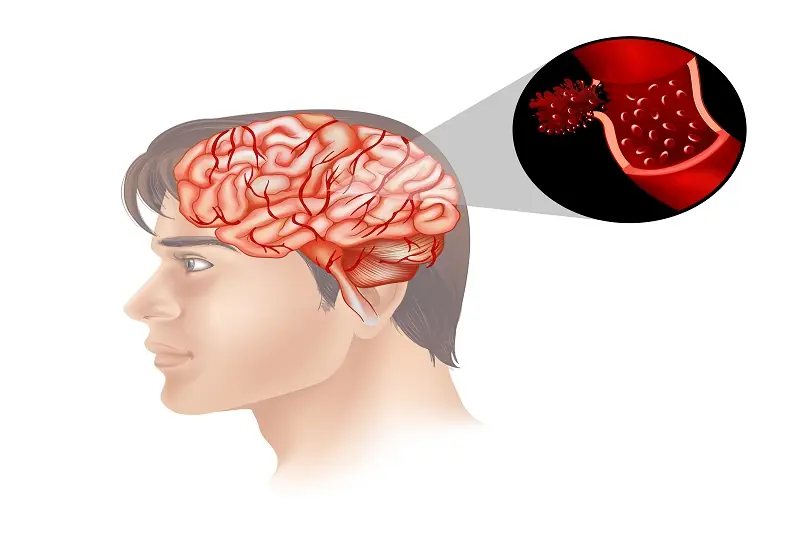
An aneurysm is a serious medical condition that often develops silently, without obvious symptoms—until it becomes life-threatening. It occurs when a blood vessel wall weakens and bulges, which can rupture and lead to severe internal bleeding. Recognizing the warning signs early can make a critical difference and potentially save your life.
What Is an Aneurysm?
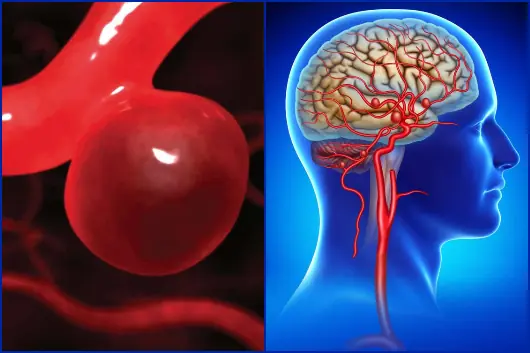
An aneurysm can form in different parts of the body, most commonly in the brain or the aorta. While small aneurysms may not cause noticeable symptoms, larger or ruptured ones can lead to sudden and dangerous complications.
Common Warning Signs to Watch For
1. Sudden, Severe Headache
Often described as the “worst headache of your life,” this can be a key sign of a brain aneurysm rupture. It may come on suddenly and intensely, unlike any headache you’ve experienced before.
2. Vision Problems
Blurred vision, double vision, or sensitivity to light can occur if an aneurysm presses on nearby nerves, especially in the brain.
3. Pain Around the Eyes or Neck
Persistent or sharp pain behind or around the eyes, or stiffness in the neck, may signal pressure from a growing aneurysm.
4. Nausea and Vomiting
These symptoms often accompany severe headaches and may indicate increased pressure inside the skull.
5. Difficulty Speaking or Confusion
Slurred speech, trouble understanding others, or sudden confusion can be signs that the brain is being affected.
6. Weakness or Numbness
Sudden weakness or numbness in the face, arms, or legs—especially on one side of the body—can be a serious warning sign.
7. Loss of Consciousness
Fainting or losing consciousness may occur in severe cases and requires immediate emergency care.
When to Seek Medical Help
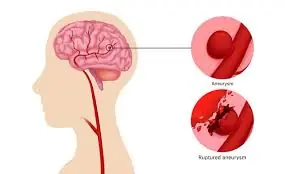
If you or someone else experiences any of these symptoms—especially a sudden, severe headache or neurological changes—seek emergency medical attention immediately. A ruptured aneurysm is a medical emergency that requires urgent treatment.
Who Is at Risk?
Certain factors can increase the risk of developing an aneurysm, including:
-
High blood pressure
-
Smoking
-
Family history of aneurysms
-
Age and underlying vascular conditions
Bottom Line
An aneurysm can be silent but deadly. Paying attention to unusual symptoms and acting quickly can save lives. Never ignore warning signs—when it comes to your health, early action is always the best protection.