Rotten Tomatoes — Should You Really “Reuse” Them? Here’s the Truth
That viral line “don’t throw away rotten tomatoes” sounds smart… but in reality, it can be misleading and even unsafe if misunderstood.
Let’s break it down clearly.
First: Moldy Tomatoes = Not Safe to Eat


If you see:
- White/green fuzzy mold
- Soft, leaking texture
- Bad smell
→ That tomato is spoiled, not just “a bit old.”
Important:
Cutting off the moldy part is NOT enough
Because:
- Mold roots spread inside (invisible)
- May contain mycotoxins (harmful substances)
So rule number one:
Don’t eat it. Don’t cook it. Don’t “fix” it.
So… Can You Use Them for Anything?
Yes — but only for non-food purposes.
1. Compost (Best Use)
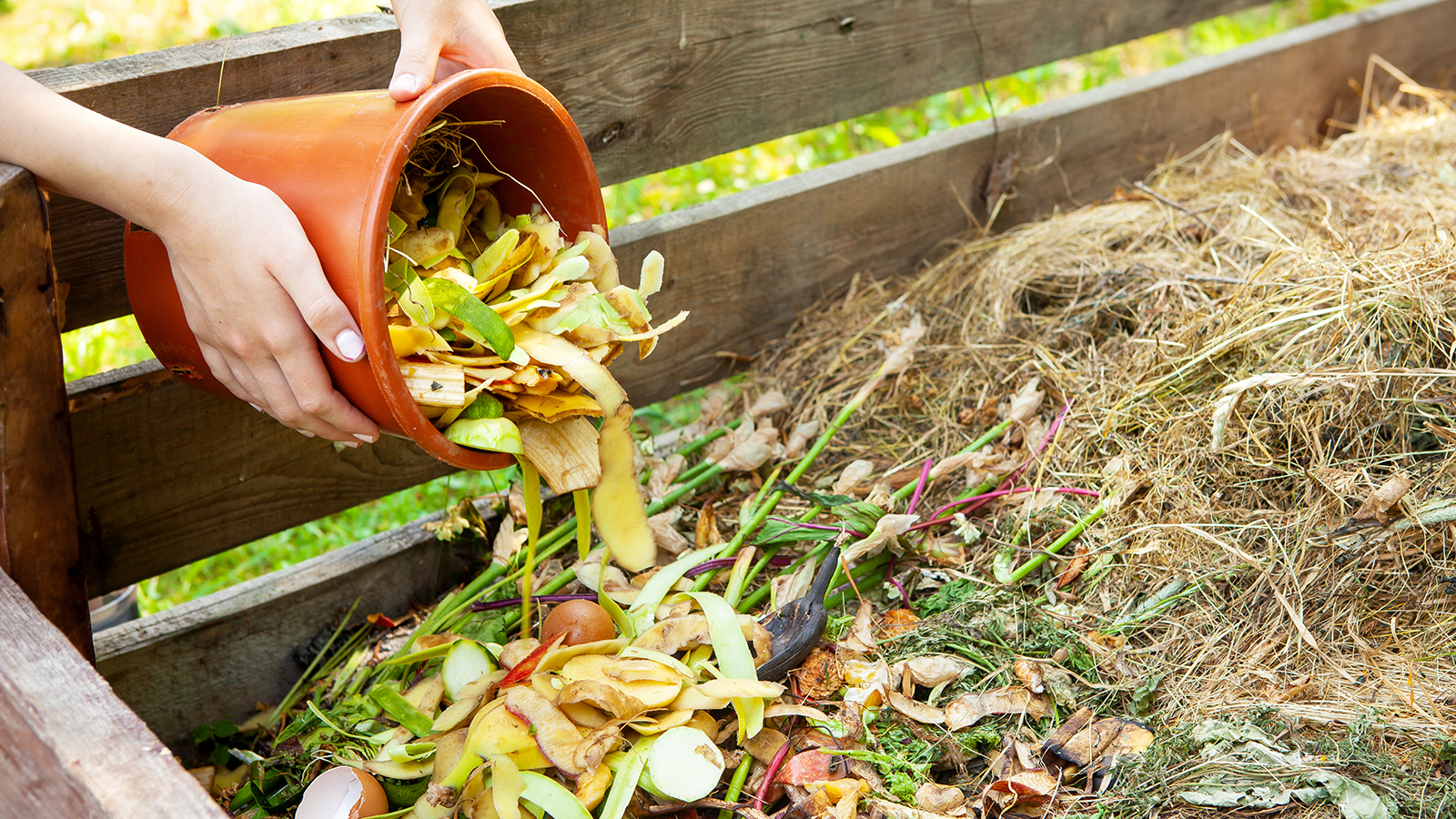


Rotten tomatoes are great for:
- Composting
- Creating natural fertilizer
- Enriching soil
This is the safest and most useful option.
2. Natural Cleaning (Limited Use)
Tomatoes contain mild acids.
You can use them to:
- Clean metal (like copper or brass lightly)
- Remove mild stains
But:
- Only if not heavily moldy
- And wash hands after handling
3. Seed Recovery (Only If Not Fully Rotten)
If the tomato is:
- Overripe (soft) but NOT moldy
→ You can extract seeds for planting.
But once mold appears → skip this completely.
What You Should NEVER Do
- Don’t eat moldy tomatoes
- Don’t blend them into sauce
- Don’t feed them to others (including kids)
- Don’t assume “cooking kills everything”
Heat does NOT reliably destroy toxins.
Why This Matters
Food safety is one area where “saving money” can backfire.
A few tomatoes are not worth risking food poisoning or long-term toxin exposure.
Final Takeaway
That viral advice is only half true.
- Rotten tomatoes → not safe for eating
- Best use → compost or non-food purposes
So yeah, don’t waste them…
but also don’t put your health at risk trying to reuse them the wrong way.