Ginger Is Healthy — But Not for Everyone: 5 Cases You Should Be Careful With
Ginger is often hyped as a “superfood” — good for digestion, anti-inflammatory, boosts immunity.
That’s true.
But here’s the part most posts skip:
in some conditions, ginger can actually make things worse if used incorrectly.
Let’s break it down properly — no fearmongering, just real use cases.
What Ginger Does in Your Body

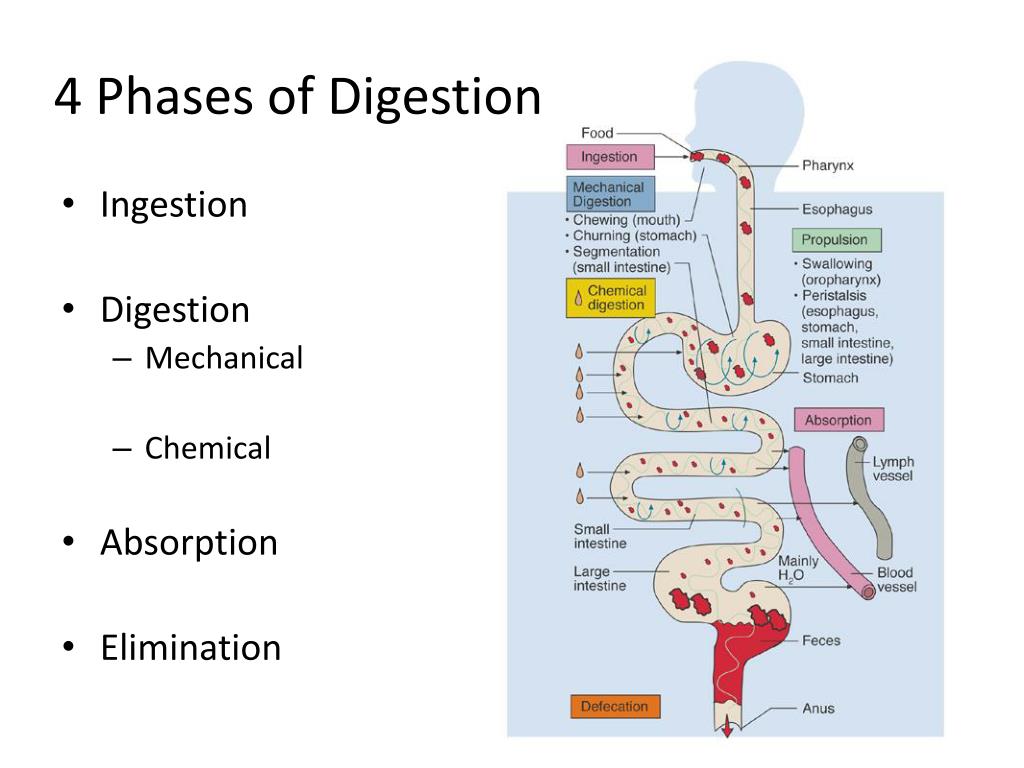

Ginger contains compounds like gingerol, which:
- Stimulate digestion
- Improve blood circulation
- Reduce inflammation
- Slightly thin the blood
That last point is where caution comes in.
1. People with Bleeding Disorders or Taking Blood Thinners
Ginger can increase bleeding risk.
Be careful if you:
- Take anticoagulants (like warfarin, aspirin)
- Have bleeding disorders
Why?
- Ginger reduces blood clotting slightly
- Combined with medication → higher bleeding risk
2. People with Gallstones


Ginger stimulates bile production.
For most people → good for digestion.
But if you have gallstones:
- Increased bile flow can trigger pain
- May worsen symptoms
3. People with Low Blood Pressure
Ginger can slightly lower blood pressure.
If you already have low BP:
- You may feel dizzy
- Weakness or lightheadedness
Especially if consumed in large amounts.
4. People with Sensitive Stomach (Certain Cases)


Although ginger helps digestion, in some cases:
- It can irritate the stomach lining
- May worsen acid reflux if overused
Especially when:
- Consumed on empty stomach
- Taken in large quantities
5. Pregnant Women (High Doses)
Ginger is often used for nausea in pregnancy — and that’s fine in small amounts.
But:
- High doses may affect hormone balance
- Could increase bleeding risk
Always best to:
- Use moderate amounts
- Follow medical advice
So… Should You Stop Eating Ginger?
Not at all.
Here’s the real takeaway:
Ginger is safe and beneficial for most people — when used in normal amounts.
Problems only happen when:
- Consumed excessively
- Combined with certain conditions or medications
Safe Way to Use Ginger
- Small daily amounts (tea, cooking) = safe
- Avoid “mega doses” or overuse
- Pay attention to your body’s reaction
Final Takeaway
Ginger isn’t dangerous — but it’s not “one-size-fits-all” either.
The same ingredient that helps one person
can cause issues for another — depending on their condition.
So don’t blindly follow trends.
Use it smart, not just often.