A Depressing Discovery at the Bottom of the Mariana Trench Is a Wake-Up Call for the World
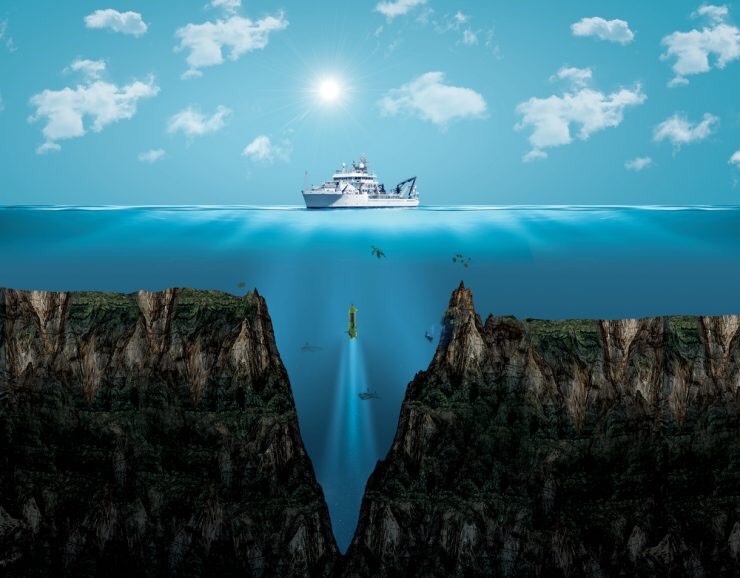
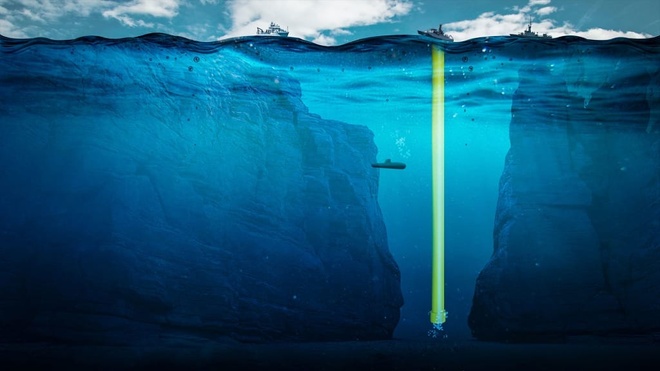
The Mariana Trench—the deepest known place on Earth—was once believed to be untouched by human activity. Located nearly 11 kilometers beneath the ocean’s surface, this remote and extreme environment was long considered one of the last pristine areas on the planet.
But a shocking discovery has shattered that belief.
A disturbing find in the deepest ocean
During deep-sea exploration, researchers discovered something that should never have been there: a plastic bag lying at the bottom of the Mariana Trench.
This wasn’t just ordinary trash—it was a powerful symbol of how far human pollution has spread. Even in the most isolated and extreme environments, the impact of human activity is now undeniable.
Life exists—even at extreme depths
Despite its dark and crushing conditions, the Mariana Trench is far from lifeless. Scientists have found a variety of marine organisms living there, including corals, jellyfish, and deep-sea octopuses.
However, these fragile ecosystems are now facing a growing threat: plastic pollution.
Studies show that 17% of deep-sea plastic images include interactions with marine life, such as entanglement or ingestion.
These interactions can lead to injury, starvation, or death.
A global plastic crisis reaching the ocean floor
Plastic waste is now the most common form of debris found in oceans worldwide. Shockingly, around 89% of plastic found in the Mariana Trench is single-use plastic, such as bags and packaging.
Although the trench is extremely remote, pollution still reaches it through multiple sources:
- About 20% comes from ships and ocean dumping
- Around 80% originates from land, carried by rivers from densely populated areas
Discarded fishing gear also contributes significantly to ocean pollution, forming massive garbage patches across the seas.
The hidden danger of microplastics
Plastic doesn’t disappear—it breaks down into tiny particles known as microplastics.
These particles:
- Drift through the water
- Sink to the ocean floor
- Enter the food chain
Even in the depths of the Mariana Trench, scientists have detected chemical pollutants linked to plastic degradation, raising concerns about long-term damage to marine ecosystems.
A warning the world cannot ignore
The image of a plastic bag resting at the deepest point on Earth is more than just shocking—it is a global warning.
It proves that no place on the planet is beyond the reach of human impact. What was once considered a distant environmental issue has now reached the most remote corners of the Earth.
What needs to change
Experts emphasize that urgent action is needed to address plastic pollution:
- Reduce single-use plastics
- Improve waste management systems
- Promote recycling and sustainable materials
- Raise global awareness
⚠️ The bottom line
The Mariana Trench was once seen as a symbol of untouched nature. Today, it tells a different story—one of human impact and environmental neglect.
The discovery of plastic at such depth is a stark reminder:
If we don’t change our habits, no part of the planet will remain unaffected.