Powdered milk is a staple in many households, valued for its convenience, long shelf life, and nutritional benefits. However, like many widely used products, it has also become a target for counterfeit or low-quality imitations. These fake products may not only lack nutritional value but can also pose serious health risks.
Knowing how to identify genuine powdered milk and avoid counterfeit products is essential for protecting yourself and your family. While it may not always be easy to tell at first glance, there are several practical ways to spot the difference.
Why Counterfeit Powdered Milk Is a Concern
Fake powdered milk is often produced using inferior or unsafe ingredients. In some cases, it may contain:
-
Excess starch or fillers
-
Artificial whitening agents
-
Low-quality milk substitutes
-
Harmful contaminants
👉 These products may look similar to real milk powder but do not provide proper nutrition and may even be dangerous.
1. Check the Packaging Carefully
The first step in identifying genuine powdered milk is examining the packaging.
Look for:
-
Clear, high-quality printing
-
Proper brand logos and labels
-
Sealed packaging with no signs of tampering
-
Manufacturing and expiration dates
Red flags:
-
Spelling mistakes
-
Faded or blurry printing
-
Missing product information
👉 Authentic brands invest in professional packaging, while counterfeit products often cut corners.
2. Verify the Source and Brand
Buying from trusted sources is one of the safest ways to avoid fake products.
Tips:
-
Purchase from reputable stores or official distributors
-
Avoid unusually cheap products from unknown sellers
-
Check if the brand is recognized and has official certification
👉 If the price seems too good to be true, it probably is.
3. Observe the Color and Texture
Genuine powdered milk has a consistent appearance.
Real powdered milk:
-
Creamy white or slightly yellowish
-
Fine, smooth texture
-
Flows easily without clumping
Fake or low-quality powder:
-
Too bright white (may indicate additives)
-
Uneven texture or large clumps
-
Feels gritty or rough
4. Smell the Powder
Your sense of smell can provide important clues.
Real milk powder:
-
Mild, natural dairy scent
Fake powder:
-
Chemical or artificial smell
-
No smell at all (which may indicate lack of real milk content)
5. Test How It Dissolves in Water
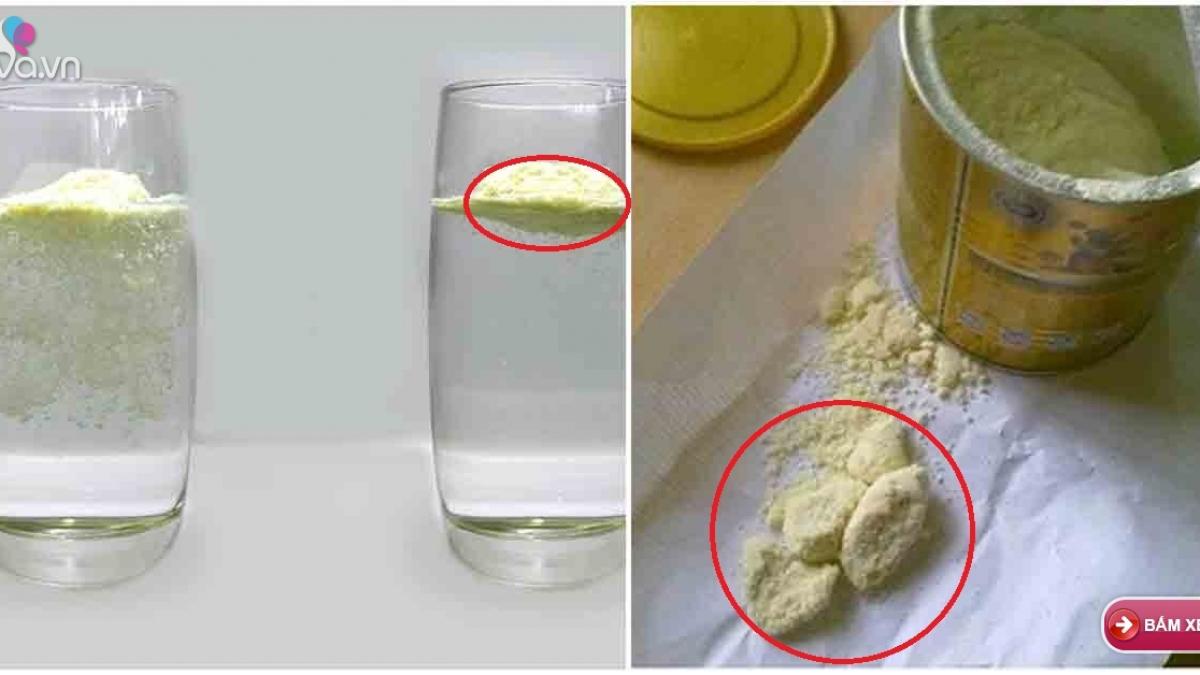
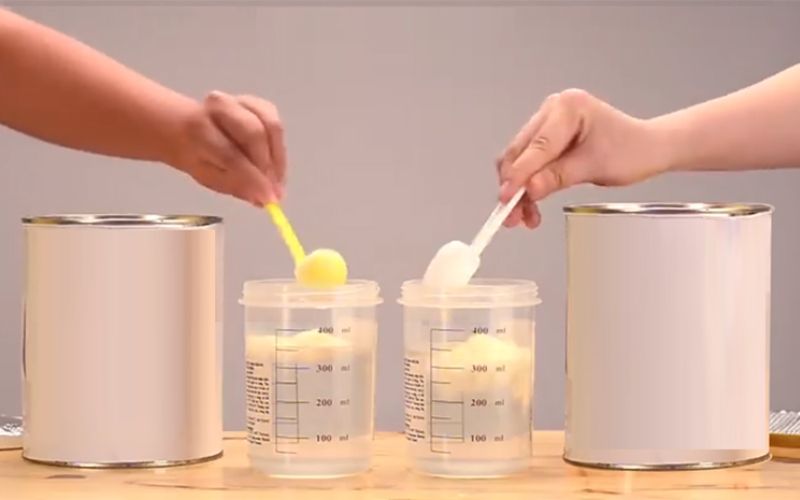
One of the simplest ways to check powdered milk is by mixing it with water.
Genuine powdered milk:
-
Dissolves evenly
-
Leaves little to no residue
-
Produces a smooth, milky liquid
Counterfeit or poor-quality powder:
-
Forms lumps or sediments
-
Does not dissolve properly
-
May separate quickly
6. Taste the Difference
Taste can also help identify authenticity.
Real powdered milk:
-
Mild, creamy, slightly sweet flavor
Fake powdered milk:
-
Bland or overly sweet
-
Artificial or unpleasant aftertaste
👉 Always be cautious when tasting if you suspect a product is unsafe.
7. Look for Nutritional Information
Authentic powdered milk products provide clear nutritional labels.
Check for:
-
Protein content
-
Calcium levels
-
Vitamins (A, D, etc.)
Fake products may:
-
Have incomplete or misleading information
-
Show unrealistic values
8. Watch for Unusual Reactions
After consuming powdered milk, your body may also give signals.
Possible warning signs of poor-quality or fake products:
-
Digestive discomfort
-
Unusual taste or smell after preparation
-
Lack of expected nutritional benefits
👉 If something feels off, stop using the product immediately.
How to Stay Safe
To protect yourself from counterfeit powdered milk:
-
Always buy from reliable sources
-
Avoid suspiciously low prices
-
Check packaging and product details carefully
-
Store milk properly to maintain quality
Final Thoughts
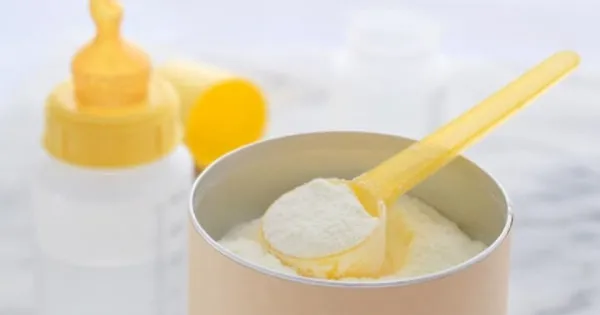
Distinguishing genuine powdered milk from counterfeit products requires attention to detail—but it’s worth the effort. From packaging and texture to smell and taste, small clues can reveal whether a product is authentic or not.
Your health depends on the quality of what you consume. By staying informed and cautious, you can avoid harmful products and ensure that you and your family receive the nutrition you expect.
Because when it comes to food safety, awareness is your first line of defense.