
Think Stewed Pigeon Is Nutritious? It May Actually Be Risky for Certain People
Stewed Pigeon Isn’t Always Healthy—Some People May Be Harming Themselves Without Knowing
Some of the symptoms of a fatty liver are tiredness, feeling generally unwell, and experiencing discomfort under the ribs on the right side. However, many people don’t realize they have because most times, it comes with no symptoms at all.
The chances of developing NAFLD increase if you carry extra weight around the stomach, have type 2 diabetes, PCOS, high blood pressure, high cholesterol, live an inactive lifestyle, or are over the age of 50.
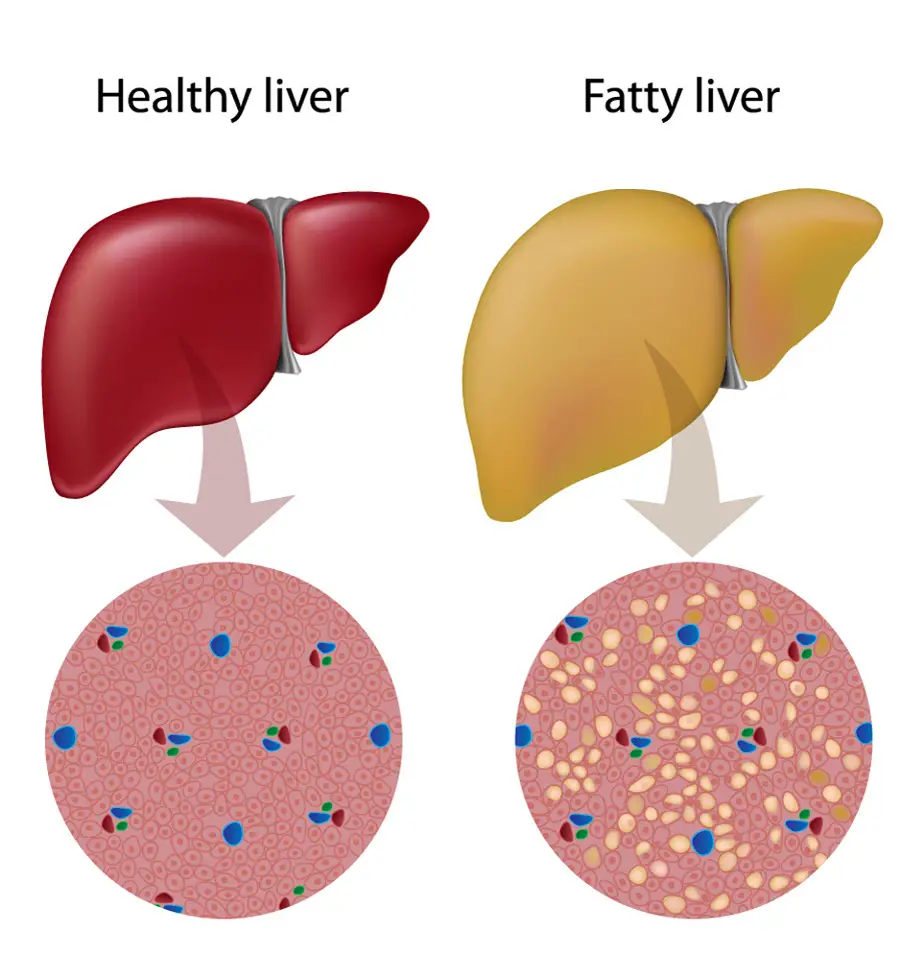
Some research suggest that diet rich in specific fruits reduces liver fat by 10-15% in 12 weeks.
Below are three scientifically backed fruits for fighting fatty liver disease, regulating blood sugar, and supporting healthy cholesterol, along with easy ways to incorporate them into your diet.

Blueberries are not just a burst of deep color and flavor: they contain anthocyanins, potent antioxidants that protect the liver from oxidative stress, help combat metabolic deviations, and maintain gut health.
One study found that eating blueberries daily was associated with reduced liver fat in people with NAFLD, as seen through imaging. The anthocyanins in blueberries could also reduce lipogenesis (fat formation) and increase lipid oxidation by liver cells. A number of human and animal studies also support their use in glucose regulation (by increasing insulin sensitivity) and, to a limited extent, the improvement of lipid profiles such as a mild decrease in LDL cholesterol.
Mechanistically, it seems that anthocyanins might be involved in the modulation of enzymes and signaling pathways associated with fat and glucose metabolism, leading to better insulin action and cholesterol homeostasis, such as lower LDL cholesterol.
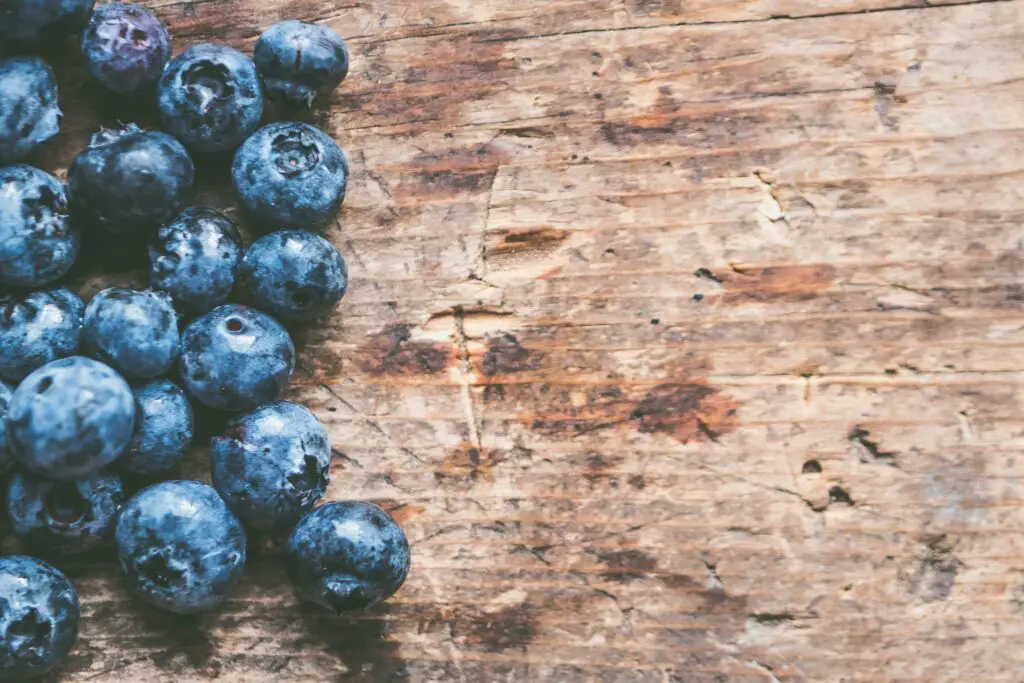
Blueberries protect the liver from oxidant damage, which initiates NAFLD, by neutralizing free radicals. They also reduce systemic inflammation, which is good for metabolism and heart health.
Throw ½ cup (or about 75 g) of fresh or frozen blueberries into your morning rotation—blend them with spinach and Greek yogurt for a sweet smoothie, or use them as a topping for oatmeal.
For a snack, you can combine them with some almonds (or other nuts).
Try to eat blueberries at least 4–5 times per week for more reliable results.
Whenever possible, select organic blueberries to limit exposure to pesticides.
Steer clear of sweetened or strained blueberry juices—they lose the fiber and can cause blood sugar to rise.
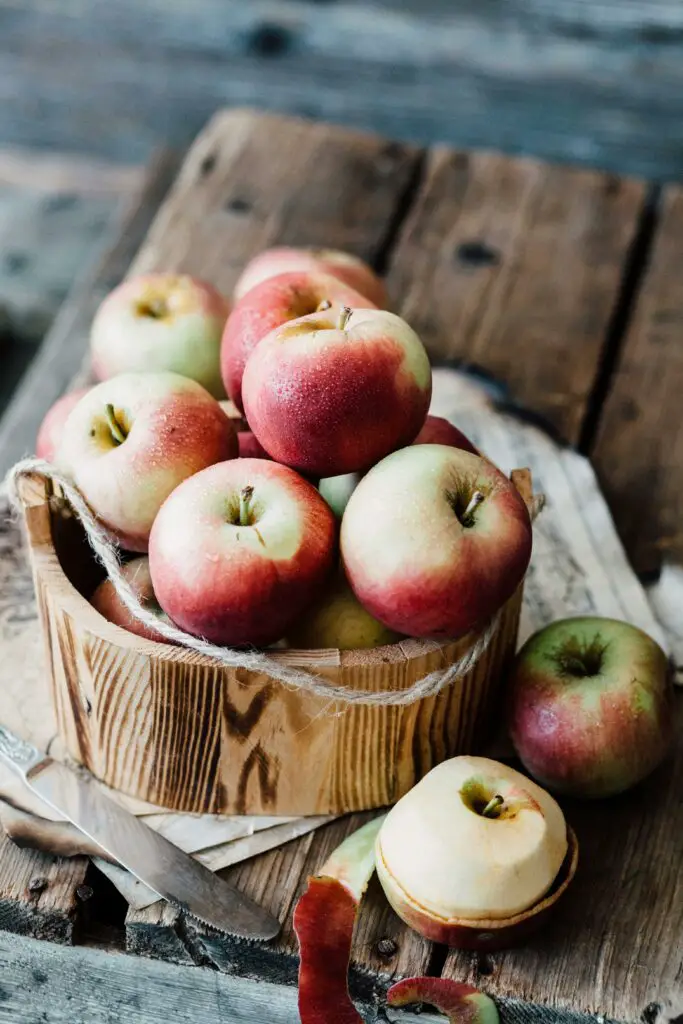
The apple, despite its status as a household staple found in kitchens worldwide, is much more than a regular fruit. High in pectin (a soluble fiber) and polyphenols, it supports liver function and helps maintain major metabolic markers in check.
Studies suggest that regular apple consumption may be associated with lower levels of liver fat and triglycerides, particularly in people who are overweight. Pectin binds to fat and cholesterol in the gut, preventing their absorption, while polyphenols such as quercetin shield liver cells from oxidative damage. Apples may also help control blood sugar by slowing the digestion and absorption of carbohydrates.
Even beyond this liver-friendly link, apples help with satiety and easing the burden of nonalcoholic fatty liver disease, which is a feather in their health cap. With a low glycemic index, they make a savvy choice for individuals with diabetes, while their impact on increasing high-density lipoprotein (HDL) (“good”) cholesterol benefits cardiovascular health.
Eat a whole apple (skin and all, since that’s where most of the polyphenols are) as a snack or light dessert. Bake apples with cinnamon for a healthy treat, or grate apple into carrot and walnut salads. Try to eat one or two apples a day; opt for high-fiber types such as Granny Smith or Fuji. Avoid overly sweet compotes, which leach out micronutrients.
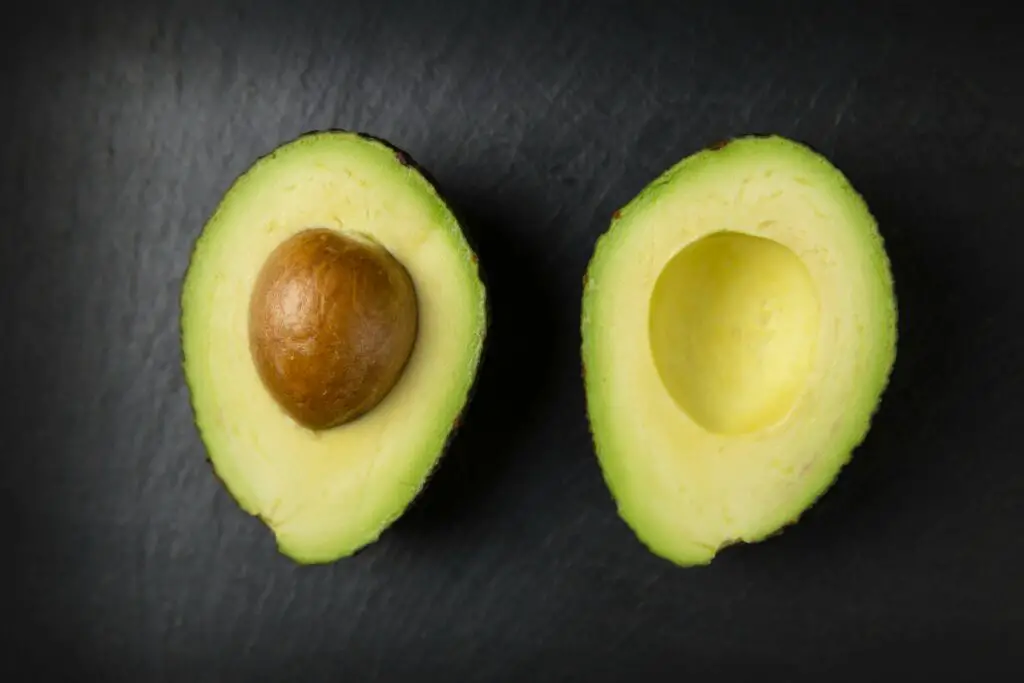
Avocados offer plenty of monounsaturated fats, fiber, and vitamin E, making them an important part of any liver-supporting and heart-healthy eating plan.
Studies have shown that daily consumption of avocados can lead to improved liver and metabolic health. For example, research in animal models published by Frontiers in Pharmacology (2022) discovered that supplementation with avocado oil improved mitochondrial function, decreased measures of oxidative stress, and reduced non-alcoholic fatty liver disease (NAFLD). Furthermore, a study published in Diabetes Research and Clinical Practice (2024) noted that avocado consumption increased the body’s insulin sensitivity, leading to more stable blood sugar levels in people with type 2 diabetes. A study in the Journal of the American Heart Association (2025) also showed that eating an avocado a day as part of a moderate-fat diet slightly decreased LDL cholesterol in overweight and obese adults.
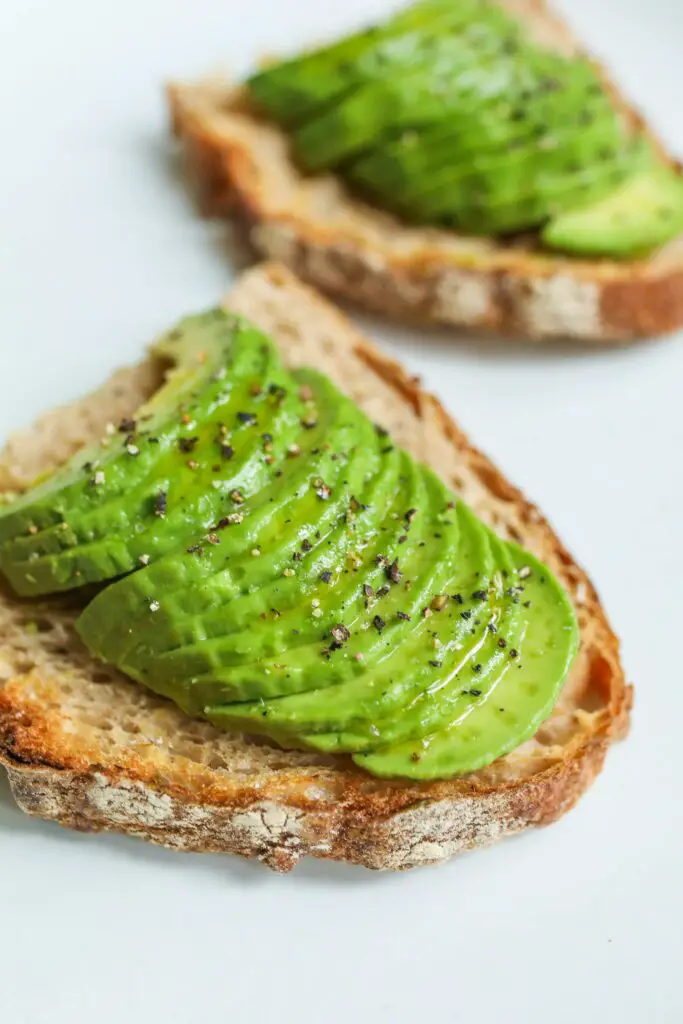
In addition to their macronutrient content, avocados offer other health benefits. They are rich in vitamin E, which provides antioxidant protection to liver cells and may help lower inflammation linked with NAFLD. The fiber in avocados helps keep you full and can contribute to weight management, one of the most important strategies for controlling (and potentially even reversing) NAFLD.
Incorporate ½ of an avocado into your daily routine by layering it on whole-wheat toast with tomato, tossing it into salads with spinach and lemon, or pureeing it into a dip with plain yogurt. Eat ripe avocados (they should be firm but give slightly under pressure) 3–5 times per week. Make sure to moderate portion size, since half an avocado contains around 120 kcal.
Stewed Pigeon Isn’t Always Healthy—Some People May Be Harming Themselves Without Knowing

Silent but Deadly: Warning Signs of an Aneurysm

That Pain Behind Your Knee Could Be More Serious Than You Think

Think It’s Safe? These Foods Should Never Be Combined with Pork, Experts Warn

Spotting Bulging Veins? Here’s What to Tell That Person

A recent medical case has raised serious concerns among health professionals after 8 out of 14 members of the same family were diagnosed with three different types of cancer over several years.
Doctor points out that eating macadamia nuts may lead to

Kidney disease is no longer a condition seen only in older adults.

3 Intimate Habits of Husbands That May Increase Wives’ Risk of Cervical Can.cer: Stop Before It’s Too Late

Ginger is celebrated worldwide as a natural super-ingredient — a root known for easing nausea, reducing inflammation, and boosting the immune system. But what most people don’t realize is that ginger isn’t suitable for everyone.

In recent years, health experts have raised growing concerns about certain everyday beverages that may significantly increase the risk of cancer when consumed regularly.

Rice is one of the most basic foods in the world.

In today’s fast-paced world, storing leftovers in the refrigerator has become a common habit. However, not all foods are safe to keep overnight or reheat the next day.

Bananas are undeniably nutritious. They’re convenient, naturally sweet, and packed with vitamins and minerals.
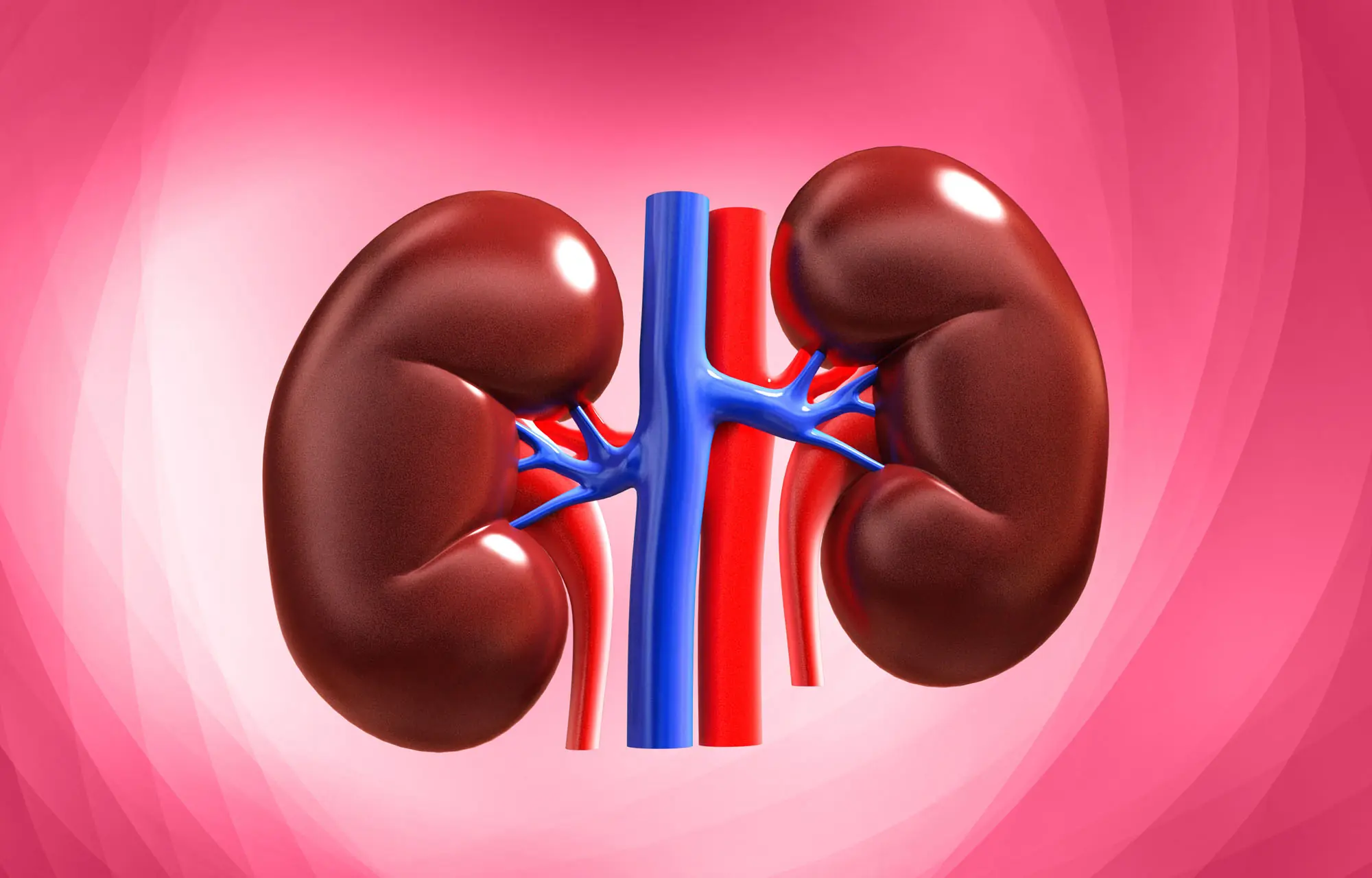
Coconut Water and Your Kidneys: What You Need to Know

In an era where aging is often associated with fatigue and declining health, the story of an 82-year-old female professor who continues to work actively and maintain remarkable mental clarity has drawn widespread attention.
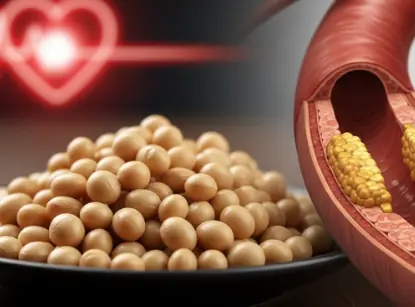
Contemporary medical research is increasingly highlighting the profound impact of targeted nutritional interventions, oral hygiene, and environmental factors on long-term wellness.

Contemporary health research is increasingly uncovering how specific dietary interventions and environmental factors can profoundly impact systemic well-being.

With his most recent video, Moldovan physician Dr. Viktor Ivanovik—who has over 1M TikTok followers—sparked a major discussion about the possible risks of kissing departed loved ones goodbye.
Stewed Pigeon Isn’t Always Healthy—Some People May Be Harming Themselves Without Knowing
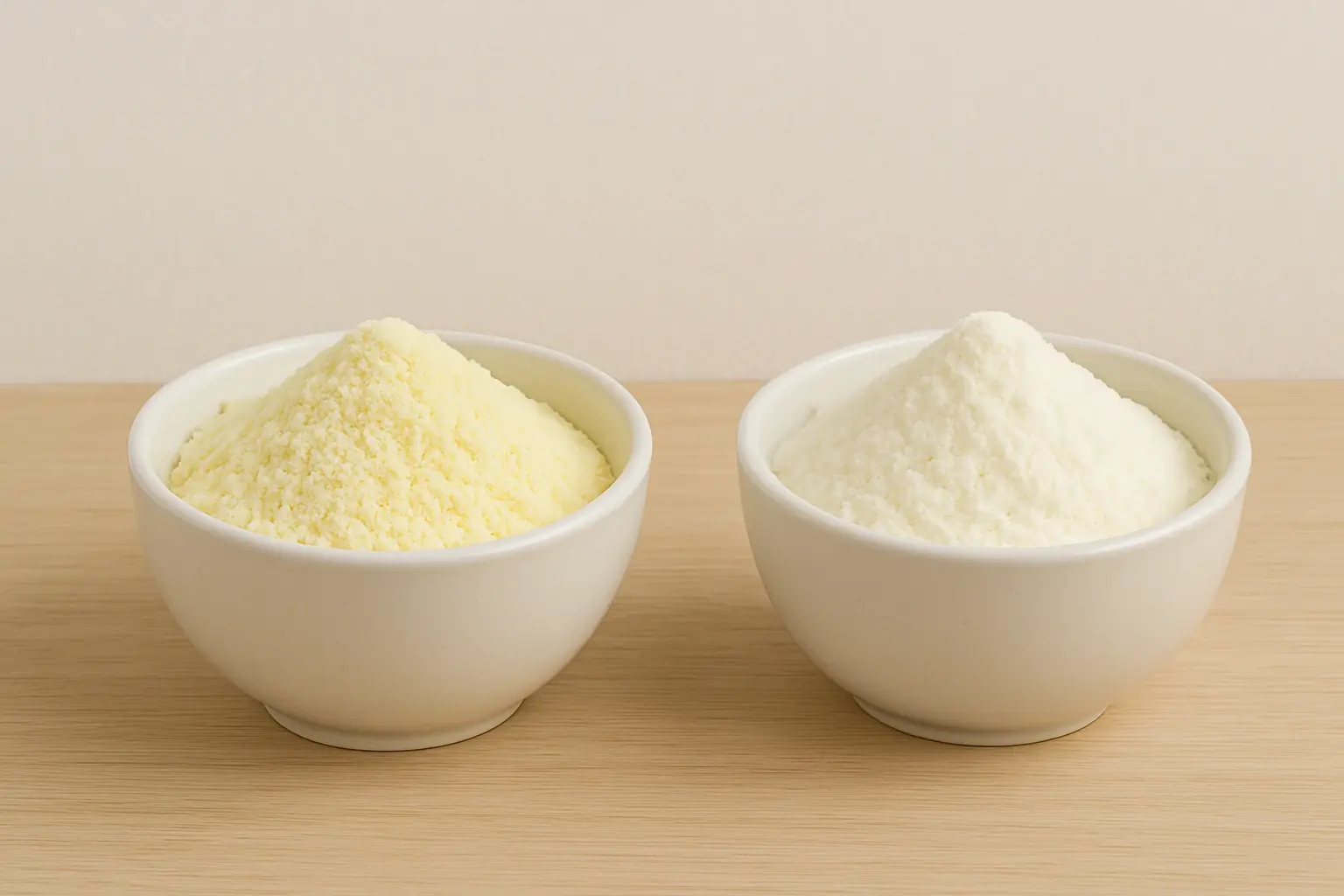
Ways to identify real vs fake powdered milk with accuracy
Silent but Deadly: Warning Signs of an Aneurysm

10 unexpected benefits of silica gel packets
That Pain Behind Your Knee Could Be More Serious Than You Think
Think It’s Safe? These Foods Should Never Be Combined with Pork, Experts Warn

4 things you should never keep in your house
Spotting Bulging Veins? Here’s What to Tell That Person
Unlock the Secret Benefits of Cauliflower: 8 Reasons to Eat More
7 simple beauty solutions using coconut oil
A recent medical case has raised serious concerns among health professionals after 8 out of 14 members of the same family were diagnosed with three different types of cancer over several years.
Doctor points out that eating macadamia nuts may lead to
Kidney disease is no longer a condition seen only in older adults.

3 Things That Don’t Pair Well with Eggs—Here’s Why
3 Intimate Habits of Husbands That May Increase Wives’ Risk of Cervical Can.cer: Stop Before It’s Too Late
Ginger is celebrated worldwide as a natural super-ingredient — a root known for easing nausea, reducing inflammation, and boosting the immune system. But what most people don’t realize is that ginger isn’t suitable for everyone.
In recent years, health experts have raised growing concerns about certain everyday beverages that may significantly increase the risk of cancer when consumed regularly.
Rice is one of the most basic foods in the world.
In today’s fast-paced world, storing leftovers in the refrigerator has become a common habit. However, not all foods are safe to keep overnight or reheat the next day.